Ask a Mount Vernon Grade 9 student what they’re passionate about, and you might not get a straight answer right away. That’s okay. In fact, that’s the point.
The Inquiry Pathway gives students four years to turn personal curiosity into sustained exploration, real-world experience, and original work. It begins not with a predetermined subject or career, but with a question: What are you genuinely curious about?
That approach reflects something fundamental about how learning happens at Mount Vernon. Inquiry is the first of three words that define who we are: a school of Inquiry, Innovation, and Impact. Starting with questions is one of our mantras for a very important reason. Students notice, wonder, investigate, make connections, and use what they discover to create something meaningful. The Inquiry Pathway makes that approach especially intentional and sustained.
It Starts With Question Zero
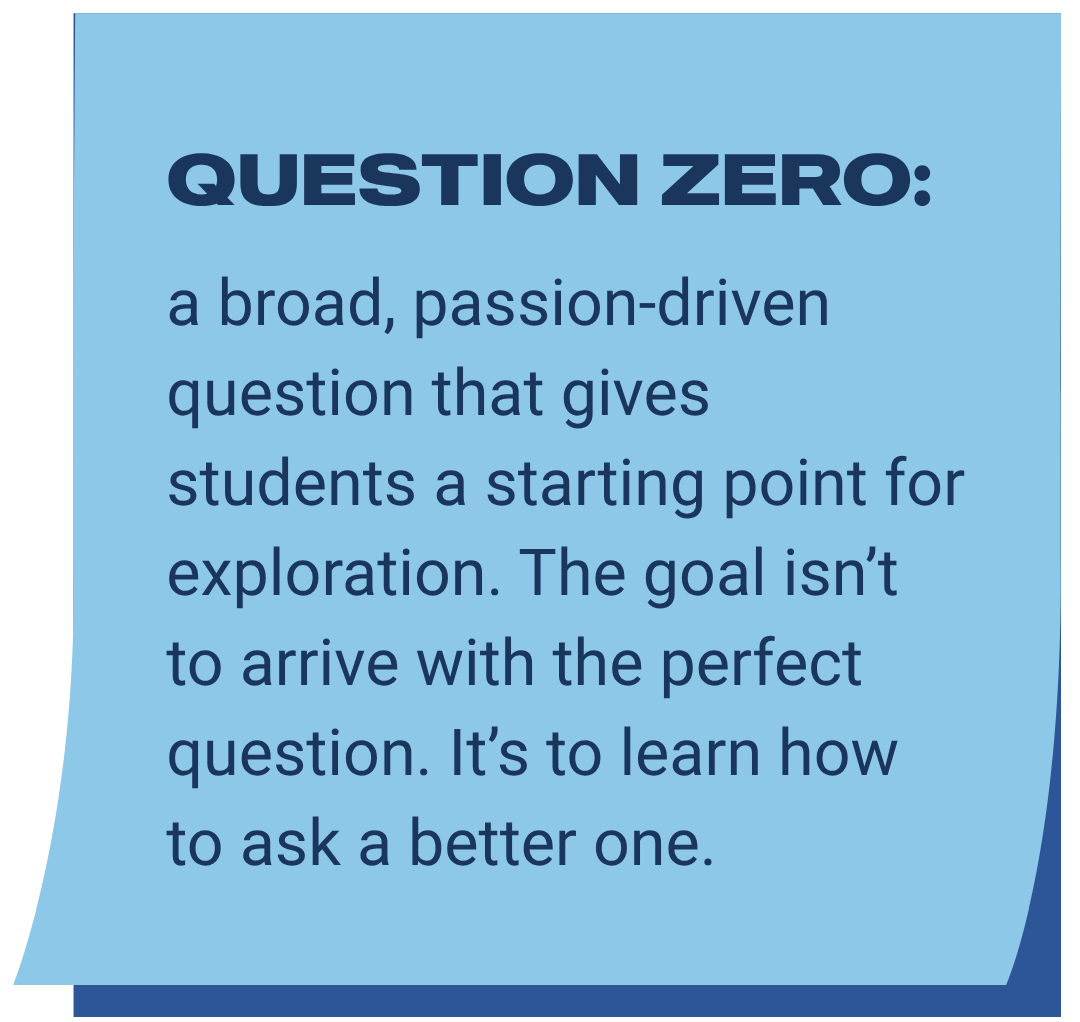 Every ninth grader begins with what faculty call Question Zero.
In the Cultivating Curiosity course, students learn to distinguish between a “topic question,” something that can be answered with a quick Google search, and a “fog question,” something bigger that resists easy answers and invites deeper investigation.
“We’re learning what a good question is,” says Alan Harris, Upper School Inquiry Pathway Faculty. “Is this too broad? Too specific? Can I just answer it with a Google search? Once we give students that language, you hear them using it on their own: ‘Oh, that’s a topic question. I can answer that easily. I probably want to go deeper.'”
And students don’t need to arrive with a ready-made passion.
“This is the time to figure it out,” says Alex Sims, Upper School Inquiry Pathway Lead. “We don’t expect every freshman to know. But there’s always something, some small thread, and that’s enough to start pulling.”
Once students begin asking questions, they learn to look for connections beyond the classroom.
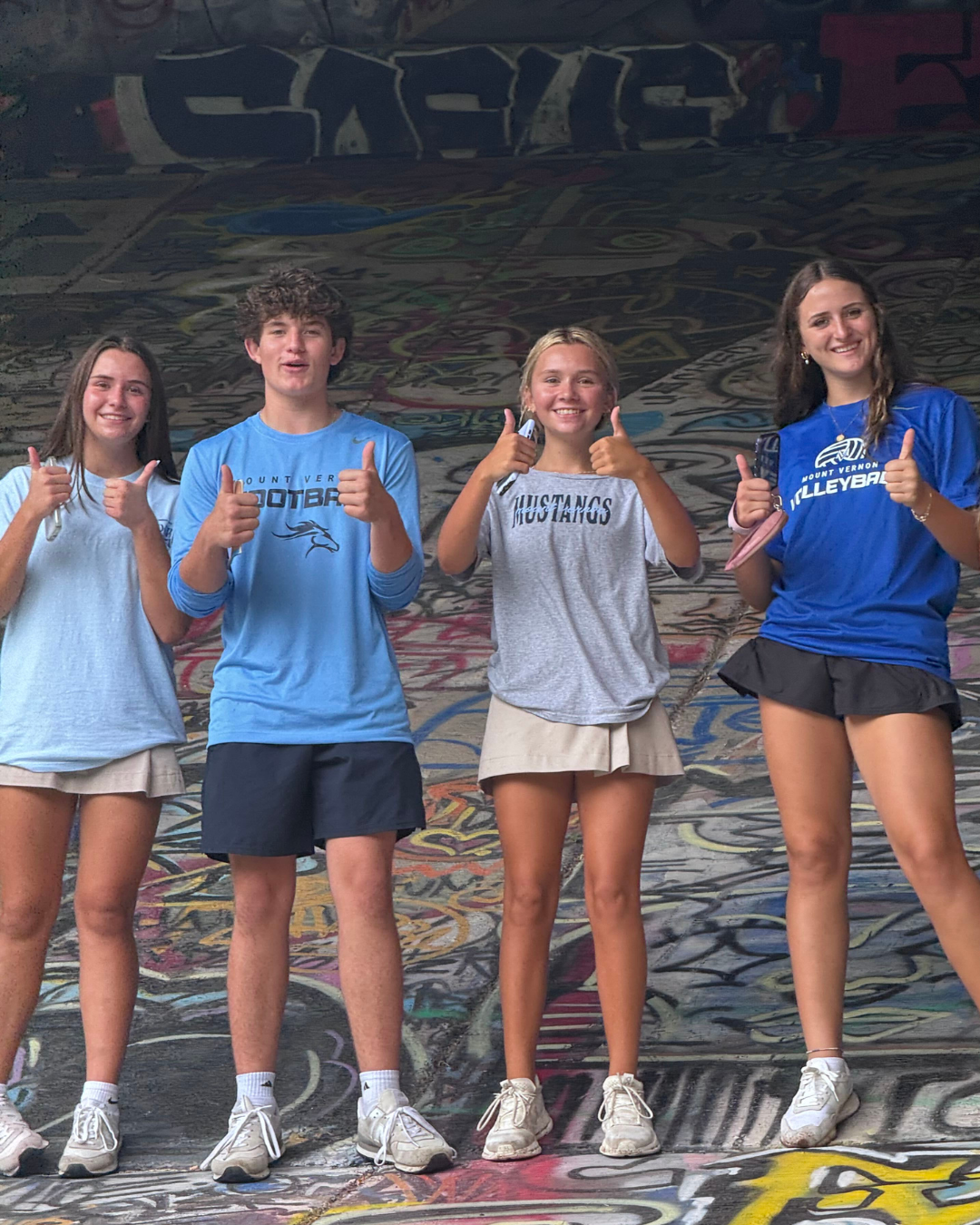
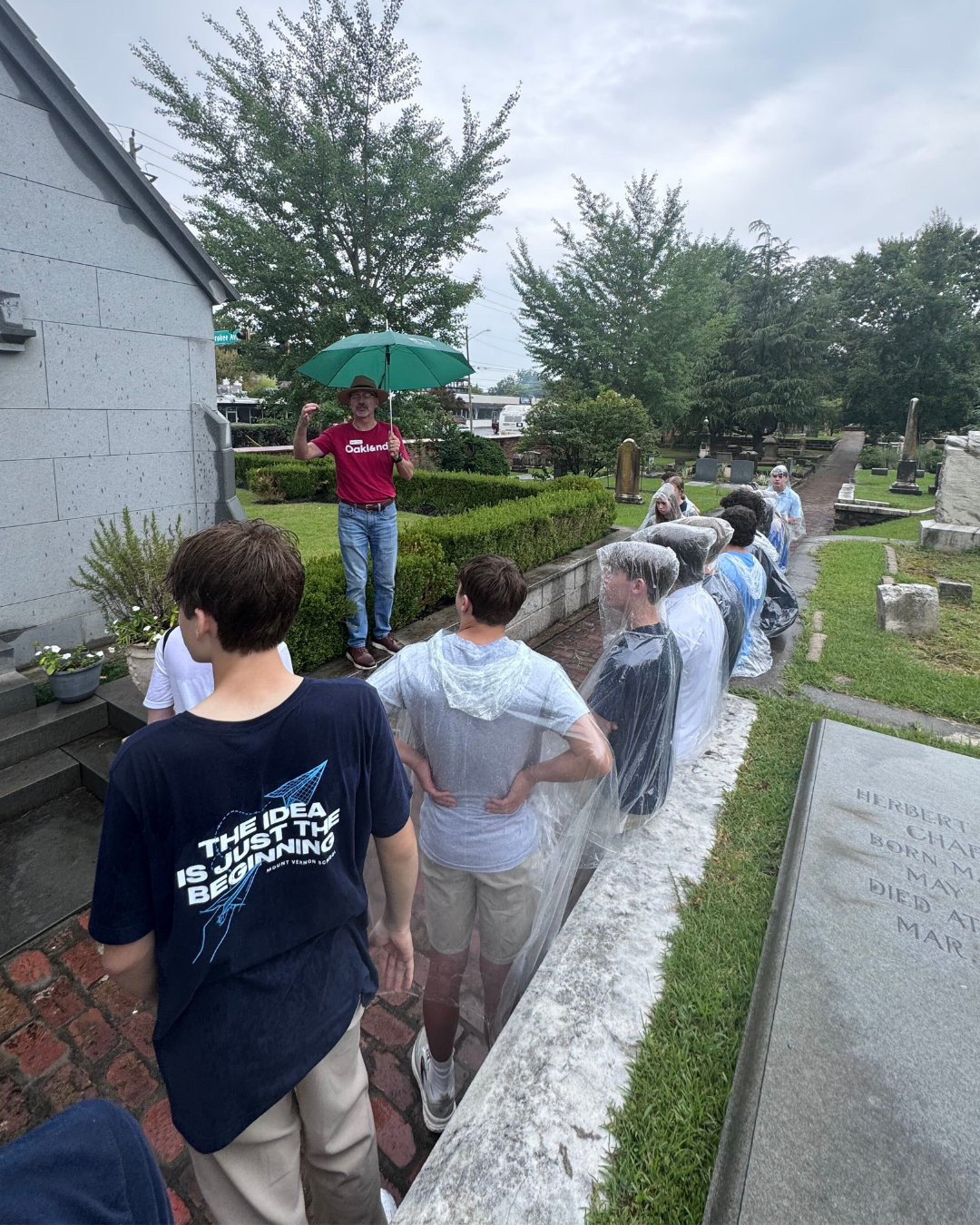
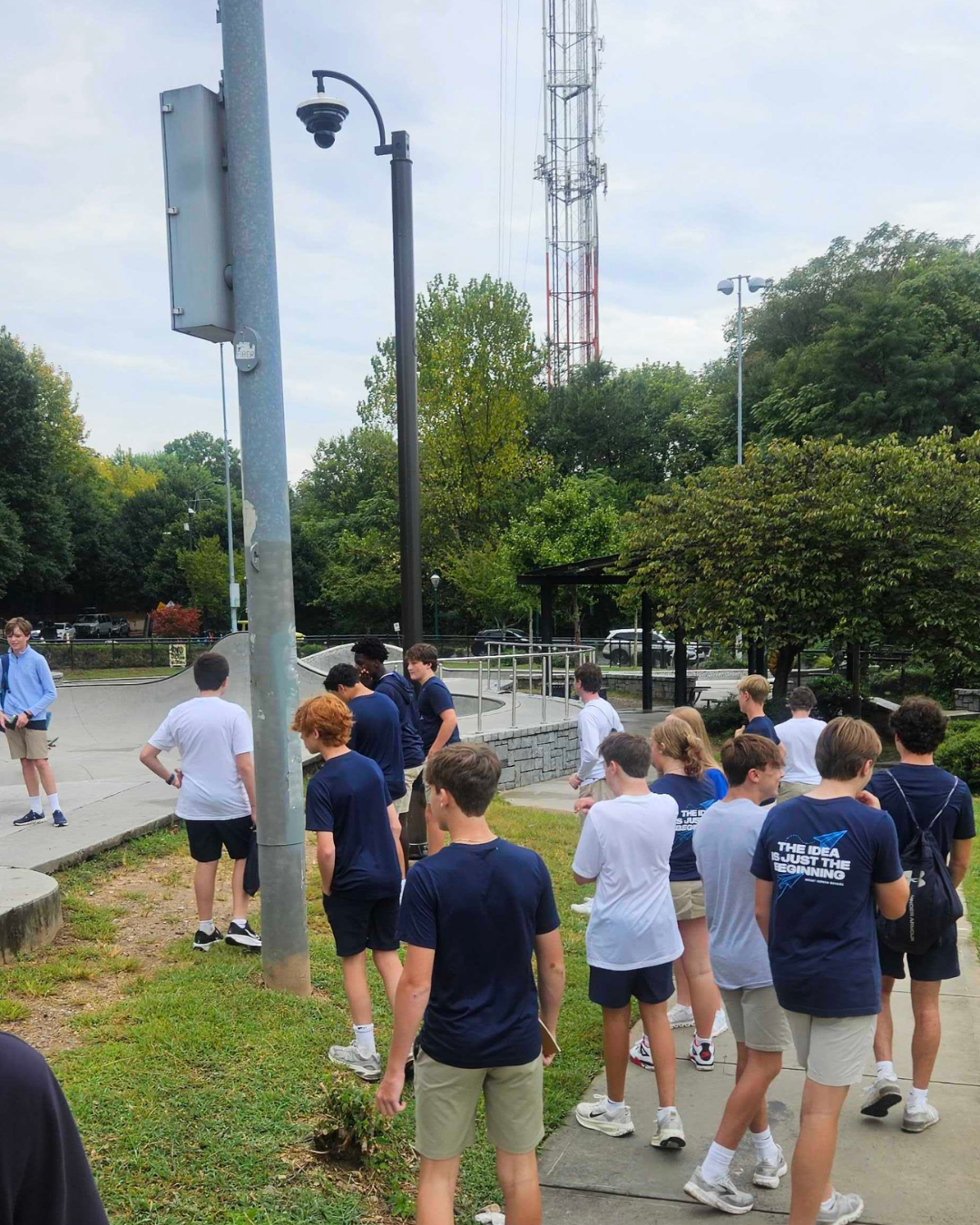
For their fall kickoff expedition, ninth graders explored Atlanta, visiting Oakland Cemetery, Ponce City Market, and the BeltLine’s Eastside Trail. Their assignment was simple: notice, wonder, connect.
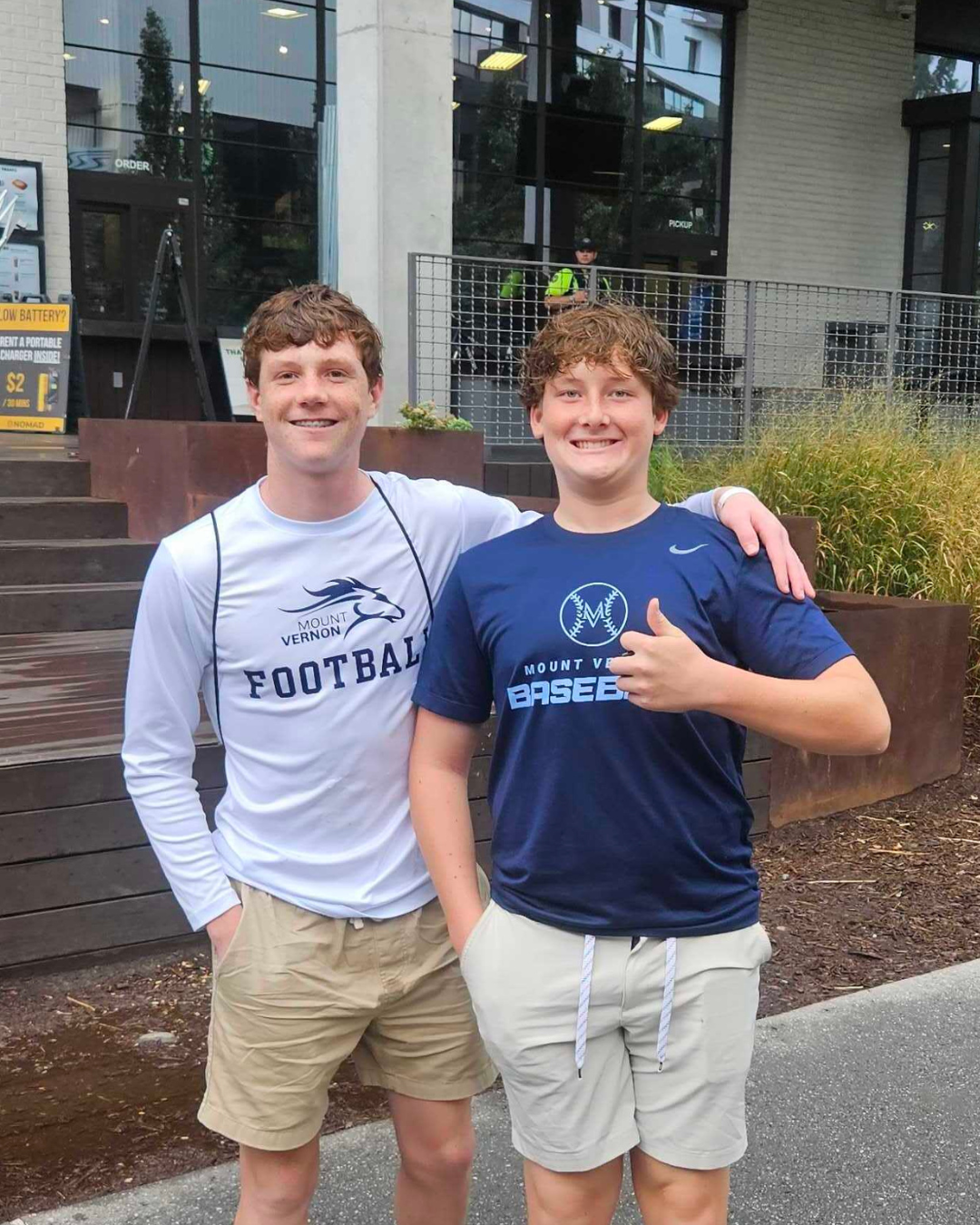
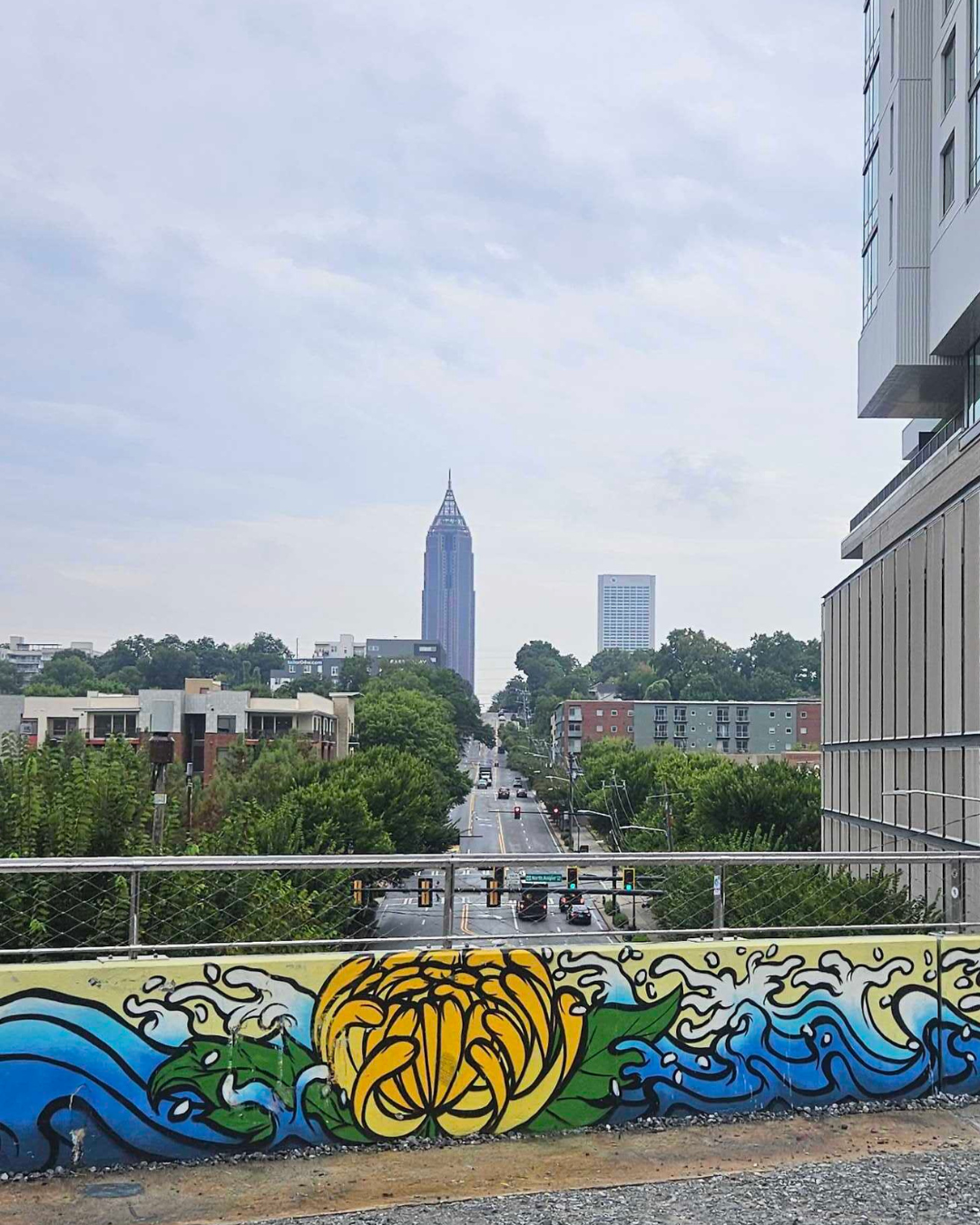
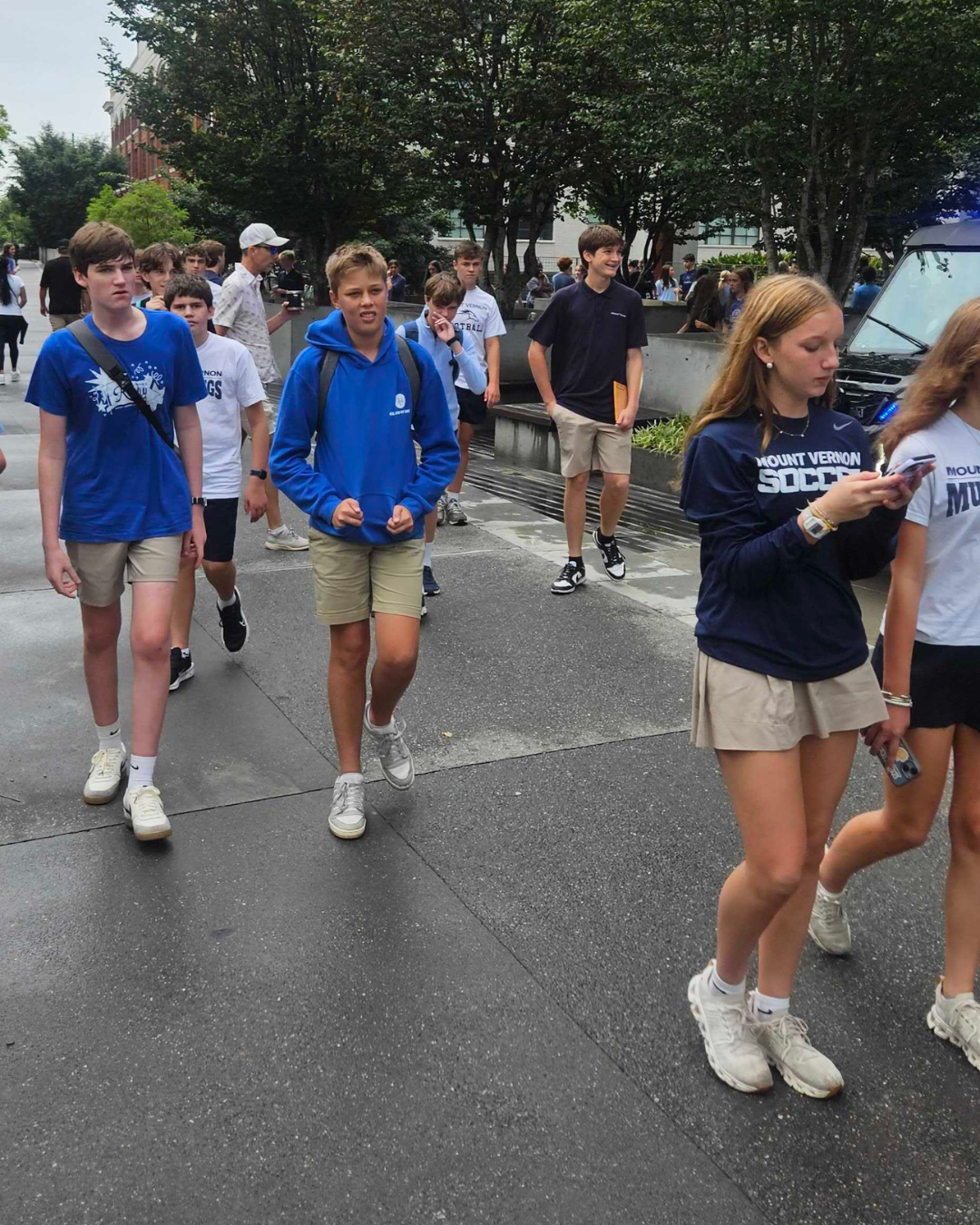

Connections from Oakland Cemetery, lead to one student researching golf course efficiency after seeing Bobby Jones gravesite, and another made a connection through Maynard Jackson’s gravesite after learning why Hartsfield-Jackson airport was named after him. A student interested in sports medicine began thinking about connections to Emory.
“If you’re truly passionate about something, you’ll start seeing it just about everywhere,” Alex says. “That’s the bigger piece of it.”
The expedition wasn’t designed to give students answers. It was designed to give them more questions.

Question Zero is only the beginning.
- In Grade 9, Explore. They identify interests, develop questions, and build the skills to investigate them.
- In Grade 10, Frame a Concentration. They begin narrowing toward a concentration, loosely modeled on university “colleges” such as STEM or Humanities, while leaving room for their interests to evolve.
- In Grade 11, Investigate and In Grade 12 Contribute. Their interests become opportunities for internships, self-designed courses, and increasingly independent work. By graduation, students build a portfolio demonstrating not just what they explored, but what they created and contributed.
“How I would explain the Inquiry Pathway to families is that it’s going to take a student’s interest and turn it into more than just a single project or a single question,” Alex says. “We’re building a curriculum around that interest, so that by Grade 11 and Grade 12, students are going into internships, designing their own classes, and building a portfolio that shows not just what they explored, but how it could change that field.”
That’s what makes the pathway different from a collection of passion projects. A question leads to exploration, exploration leads to deeper study, and deeper study leads to real-world application and original work.
The Goal Isn’t Just to Find a Passion
The Inquiry Pathway is one way Mount Vernon students can personalize their Upper School experience. While the Innovation Pathway, featuring the Innovation Diploma, centers on design thinking and entrepreneurship, and the Impact Pathway, featuring the Global Impact Diploma, focuses on a global scale, Inquiry begins with the individual learner and the questions that matter to them.
Both reflect Mount Vernon’s larger approach to learning: students aren’t simply receiving knowledge. They’re learning to use curiosity, agency, and their own ideas to shape what they learn and how they use it.
“My hope,” Alex says, “is that these students graduate having created something that changes their field, something they can point to and say, ‘I built that through the work that I wanted to pursue and it started with asking the right questions.'”
It’s early days for Mount Vernon’s newest freshmen, but the pattern is already showing up in hallway conversations and advisory check-ins: students refining a question, going one layer deeper.
That, more than any single project, is the real work of the Inquiry Pathway.