For kindergarten students, a Force and Motion unit becomes an opportunity to investigate scientific concepts, apply them in the real world, and learn from students across campus.
What happens when a kindergarten science lesson moves beyond the classroom?
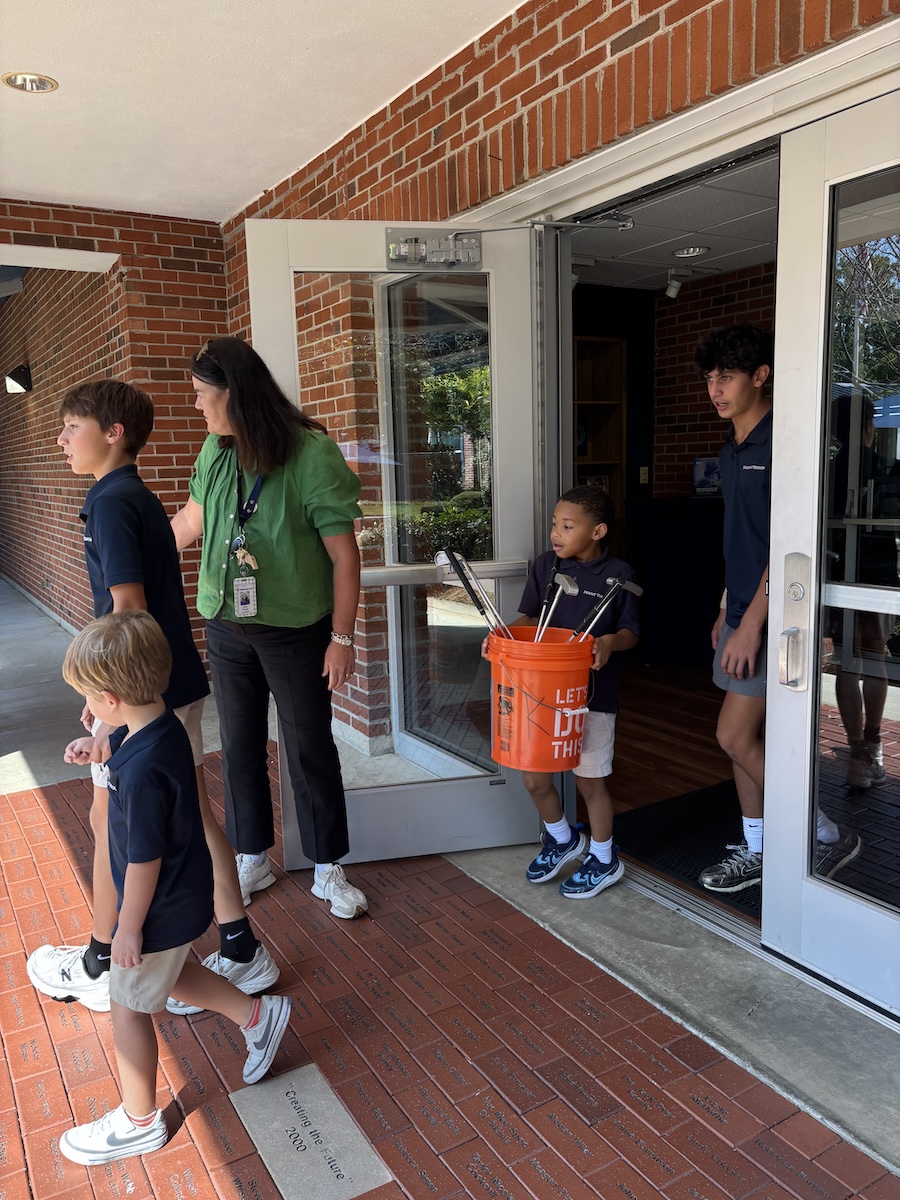
On Lower Campus, it might look like a golf club in the hands of a five-year-old, a Middle School golfer explaining the difference between clubs, or a group of kindergarteners reminding one another that golf is a quiet sport. For Eileen Fennely, Lower School Science Teacher and Lower Campus Faculty Advisor, the experience begins with a foundational science question: How can we use force to make something move?
Kindergarten students explore that question through a series of hands-on investigations. They learn how pulleys work by tying knots and using washers to lift objects. They experiment with magnets, testing what is magnetic and what is not. They build ramps and roll cars and balls down them, observing how changing a ramp’s height affects speed. They investigate friction by comparing how objects move across different surfaces.
These experiences are part of a science curriculum aligned with the Next Generation Science Standards, designed to build knowledge and vocabulary over time. Then, students put those ideas into motion.
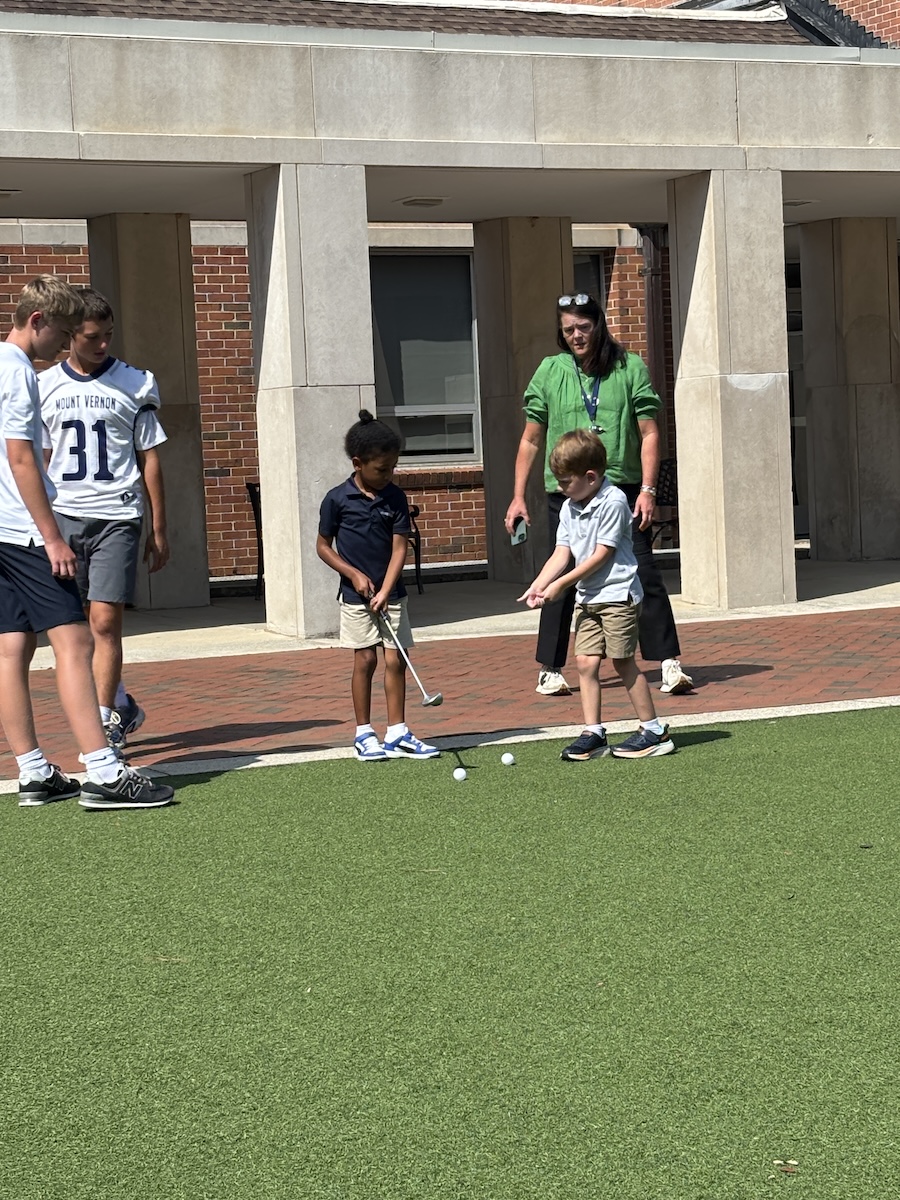
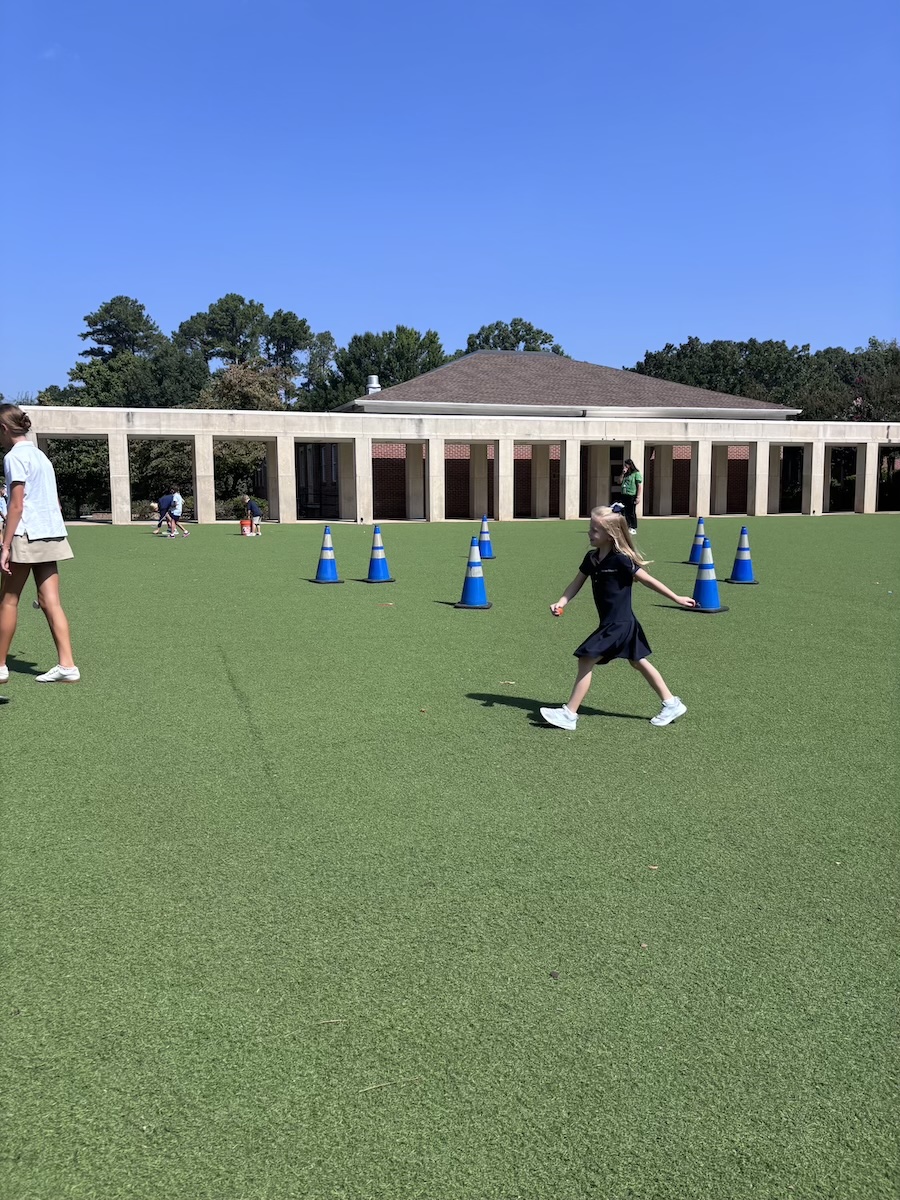
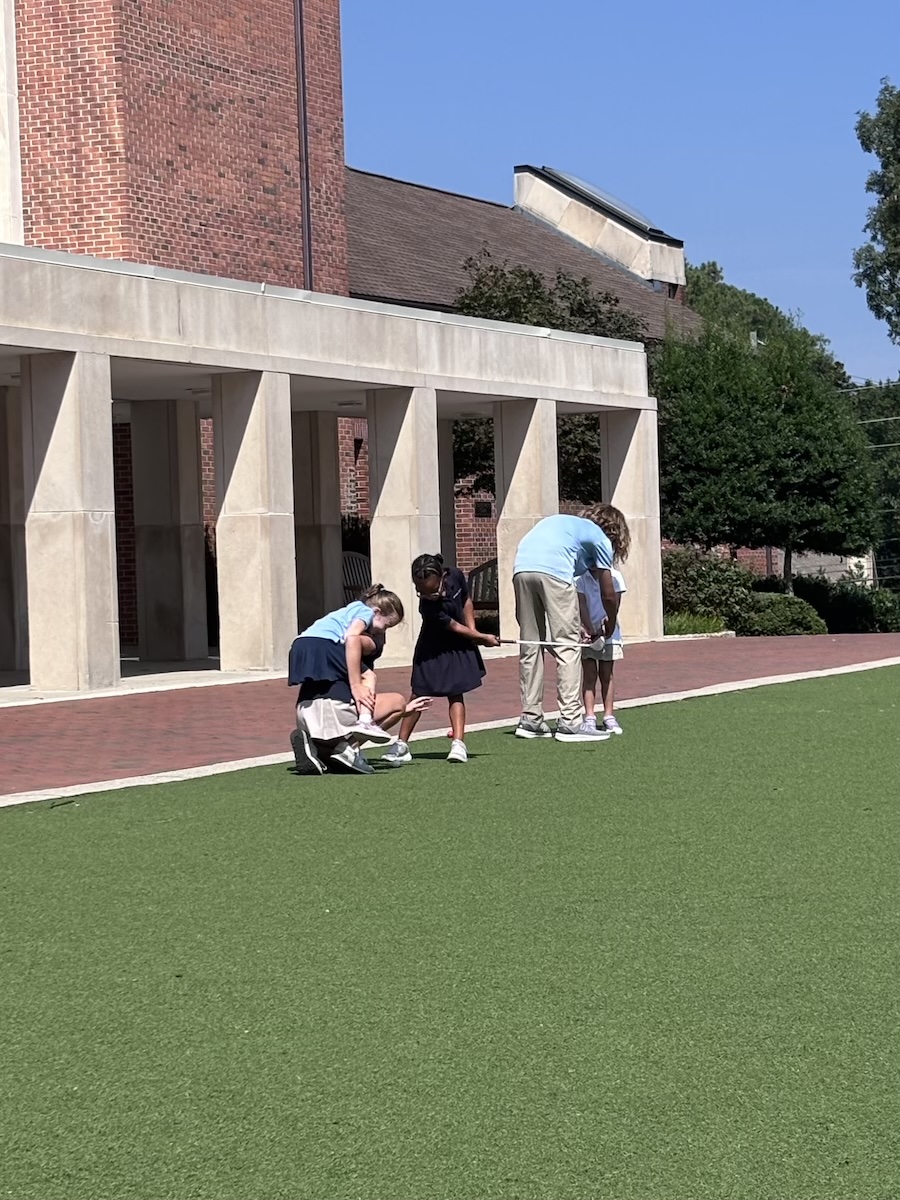
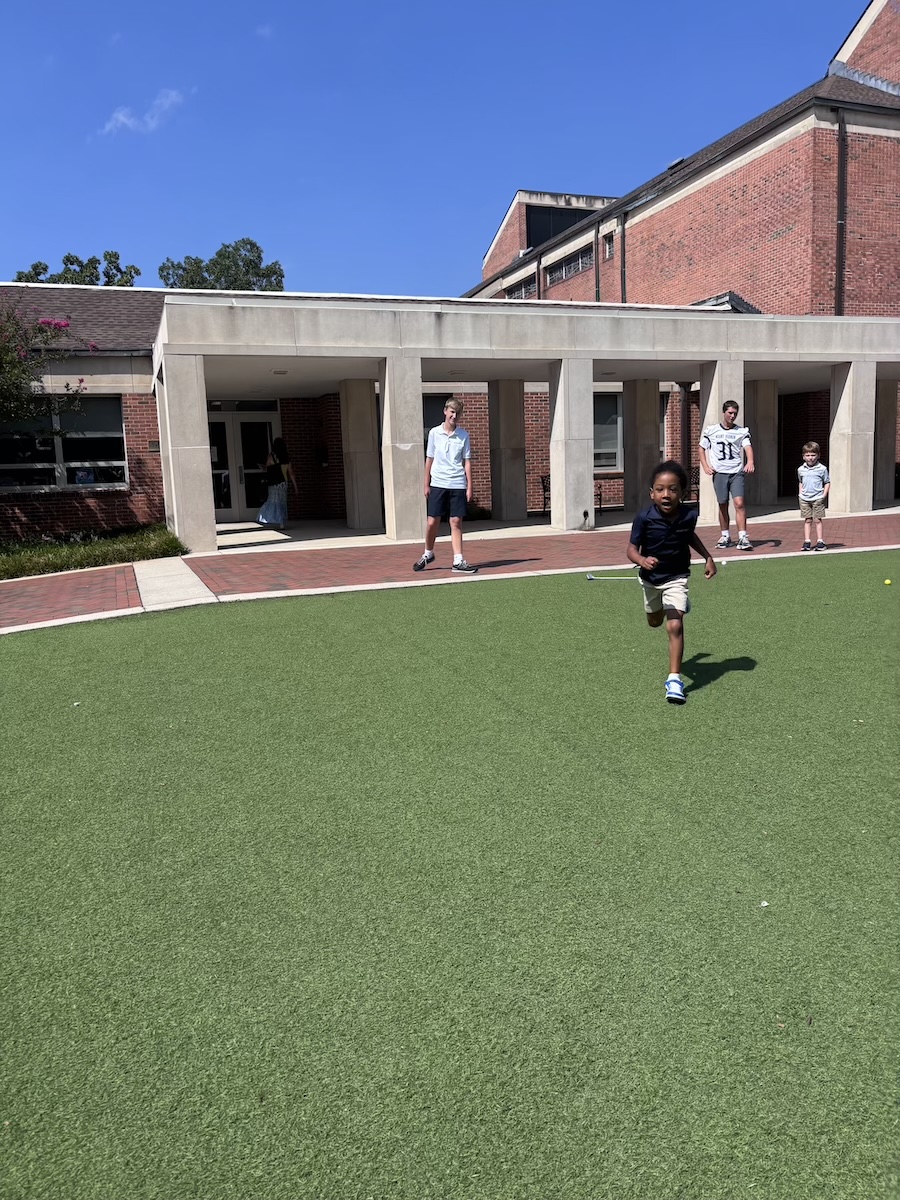
Golf has been incorporated into the Kindergarten Force and Motion unit. Students consider how much force is needed to move a golf ball and how that force changes depending on the club they use. They can see the result of their choices, adjust their approach, and try again.
“I try to make everything as real-world as possible and get those little hands moving.”
For several students, golf also brings another kind of expertise into the classroom. Some Kindergarteners already play with their families on the weekends, giving them an opportunity to share what they know about clubs, stance, and the etiquette of the game.
That expertise has created an unexpected extension of the science lesson. When the class first went outside to practice, students reminded their classmates to find their stance and remain quiet until the ball was hit. They learned when to cheer and how to congratulate a friend.
“Now they know when to cheer and how to give a compliment to their friend, which helps them become a considerate person.”
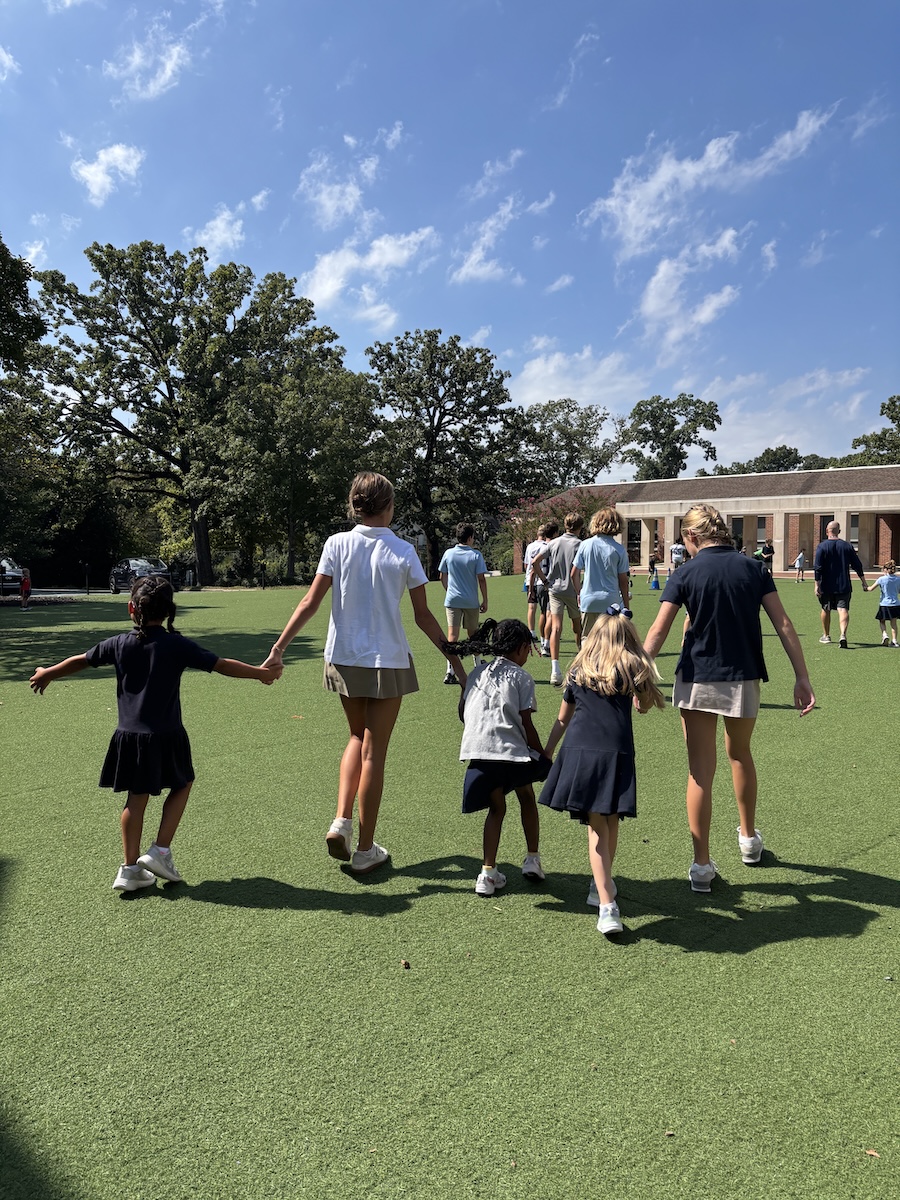
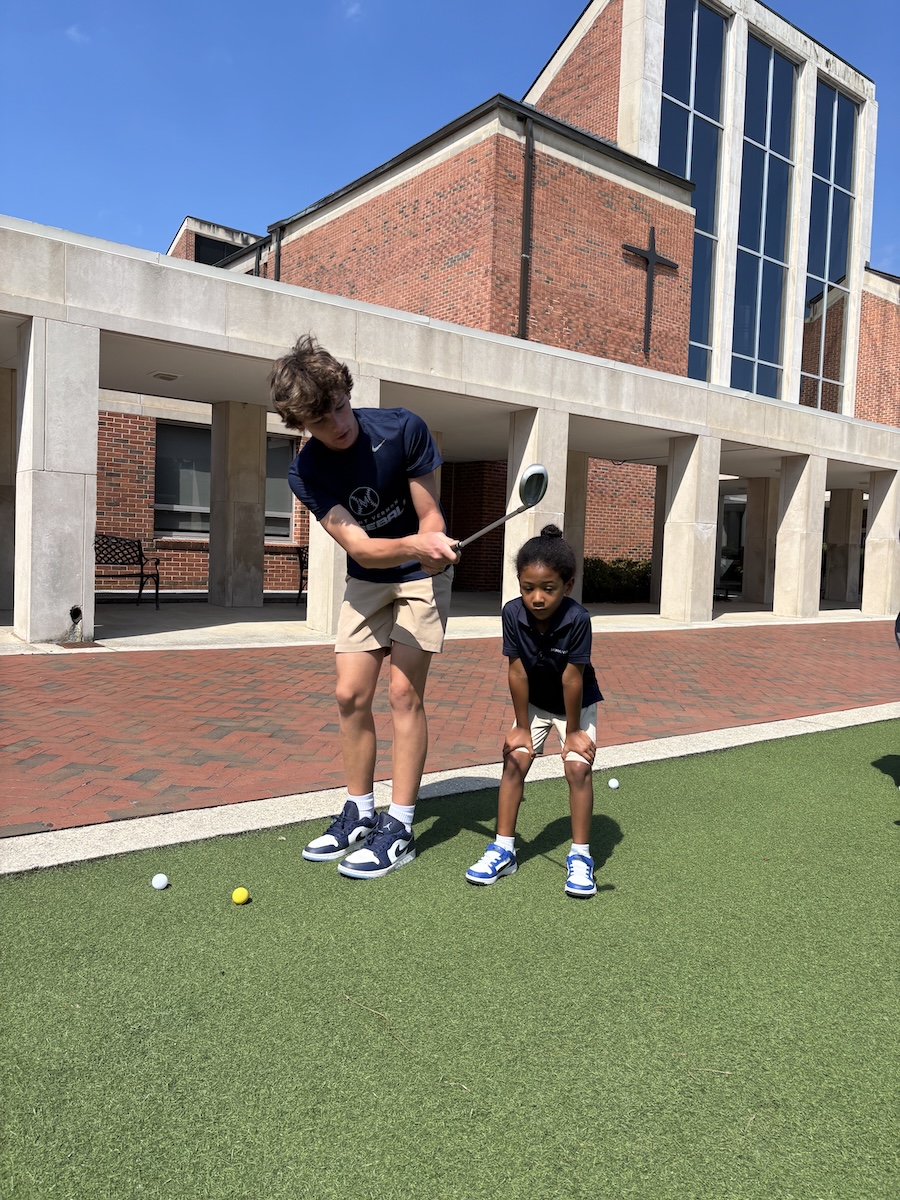
The experience also opened the door to a cross-divisional partnership. When Associate Athletic Director Rita Williams saw Eileen’s Kindergarten students practicing in the courtyard, she suggested bringing in the Middle School Golf Team. Soon, Middle School golfers were back in the science lab and outside with the Kindergarten classes, explaining the different clubs and helping younger students think about how much force was needed to move the ball.
For Eileen, the experience offered a full-circle moment. She has taught many of the Middle School golfers earlier in their Mount Vernon journeys. Now, they were returning to the science lab as coaches, mentors, and experts.
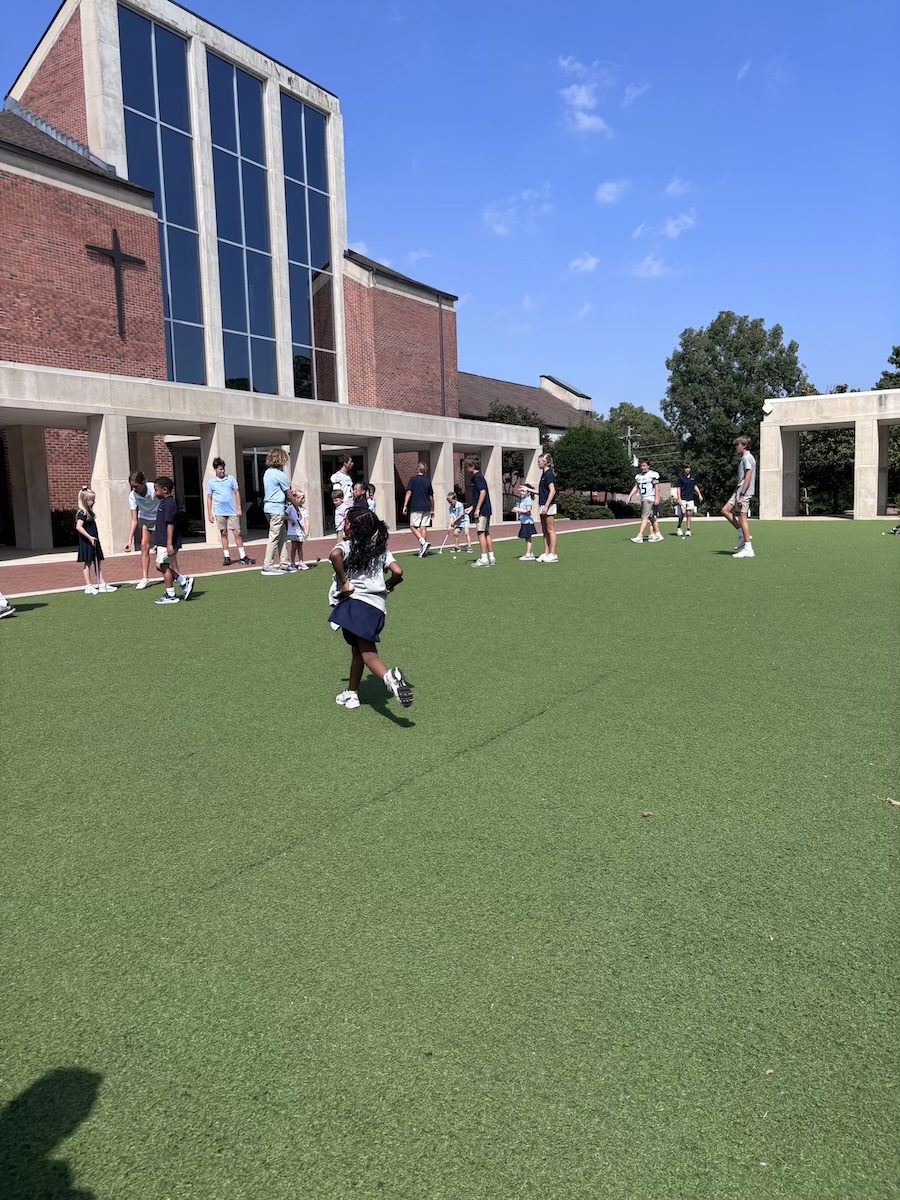
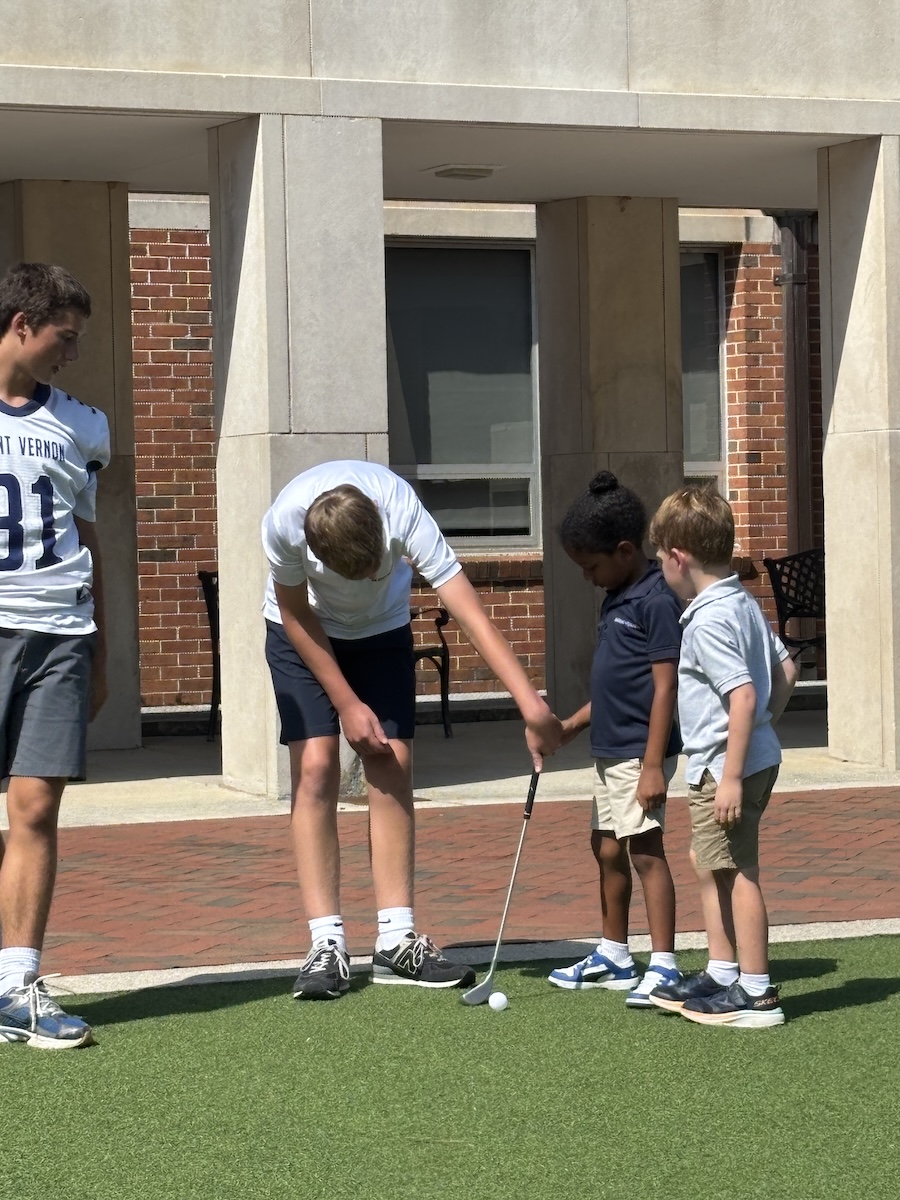
Abby Medford, Class of 2031 and member of the Girls’ Middle School Golf Team, shared, “It was really sweet because you could tell the kindergarteners were looking up to us. London ran up, grabbed my hand, and kind of chose me. I taught her about her swing and how the motion launches the ball. It took her a couple of tries, but once she started making contact, she hit some really far and had so much fun chasing after them. It was fun to watch her figure it out and be part of her learning.”
Kai Wadhwania, also Class of 2031 and member of the Middle School Boys Golf Team, said, “It was really cool getting to work one-on-one with a kindergartener and see how excited they were to learn. It was fun to help them figure out their swing and see that moment when they finally hit the ball and how much joy it gave them to make that connection. It made me realize how much they were learning from us, but we were learning from them, too.”
The Middle School students were eager to return, visiting additional Kindergarten classes to continue the experience. For Eileen, that kind of hands-on, connected learning is central to how science comes alive for young learners.
“Everything is very hands-on. We’re also using pretty high-level vocabulary with the children. These activities are practical, so they can also be done at home with their families if they wanted to.”
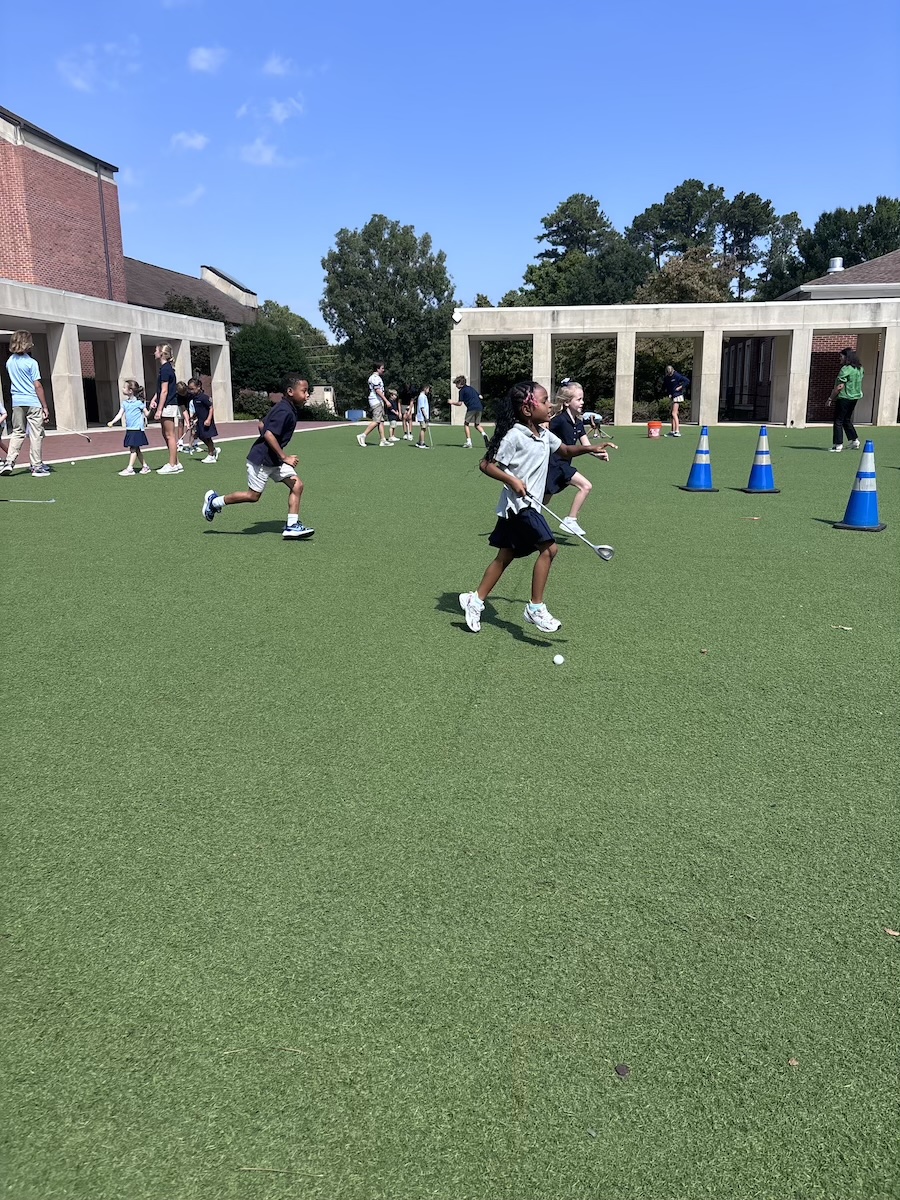
The golf experience is one part of a larger Force and Motion unit that gives students repeated opportunities to encounter the same scientific ideas in different ways. A pulley, a magnet, a ramp, a car, and a golf club become different ways to investigate the same essential concepts.
Students are not simply hearing about science. They are noticing, testing, adjusting, explaining, and trying again. And that is what makes the learning stick.
“We know from all the neuroscience research that if you’re doing it with your hands and saying it, it all sticks a whole lot better in that beautiful brain.”
Whether students are exploring friction on the courtyard, experimenting with magnets in the lab, or determining how much force to use with a golf club, they are building an understanding of science they can see, feel, and apply.
The next step may take them to a golf course, where they can continue putting those ideas into practice.
When students have the opportunity to apply what they are learning in the real world, a scientific concept becomes more than something they know. It becomes something they can do.