What does it mean to truly understand a cell? In Grade 7 Science, it means being able to redesign it. Through a transdisciplinary unit that blends science, humanities, and design, students move beyond memorization and into mastery, applying complex biological concepts through inventive, real-world analogies they create themselves.
For Grade 7 Science Teacher, Chelsea Kennedy, the foundation of the Cell Analogy Project begins with how students learn best.
“When students can anchor their learning in meaningful, real-world contexts, their understanding becomes deeper and more lasting,” she explains. “Those connections not only support retention, but also help students transfer their learning in more complex and authentic ways.”
That belief led to a thoughtful redesign of the unit. Rather than building the project alongside new content, Kennedy shifted the sequence, frontloading the science so students could first develop a deep understanding of cells and their organelles.
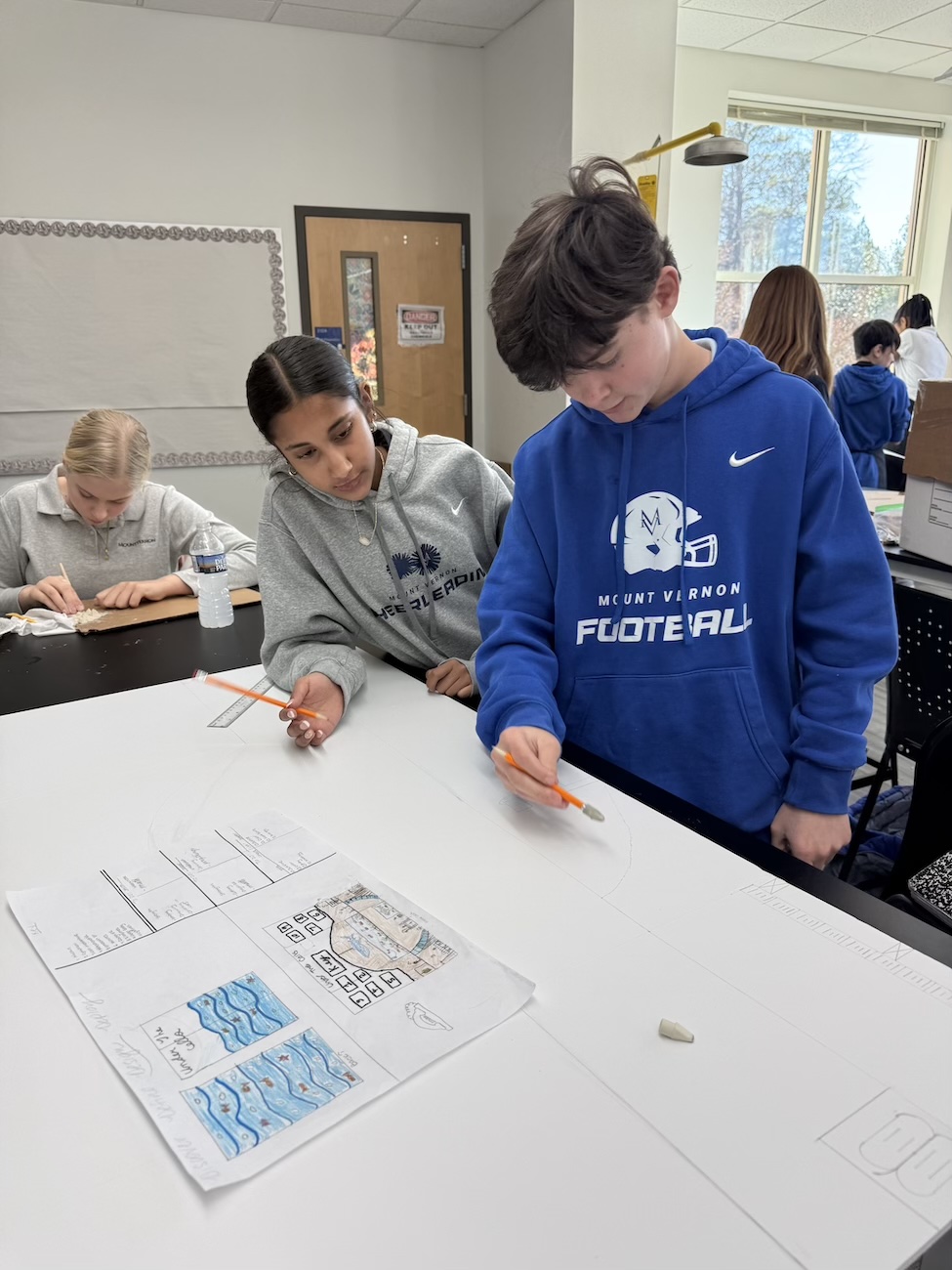

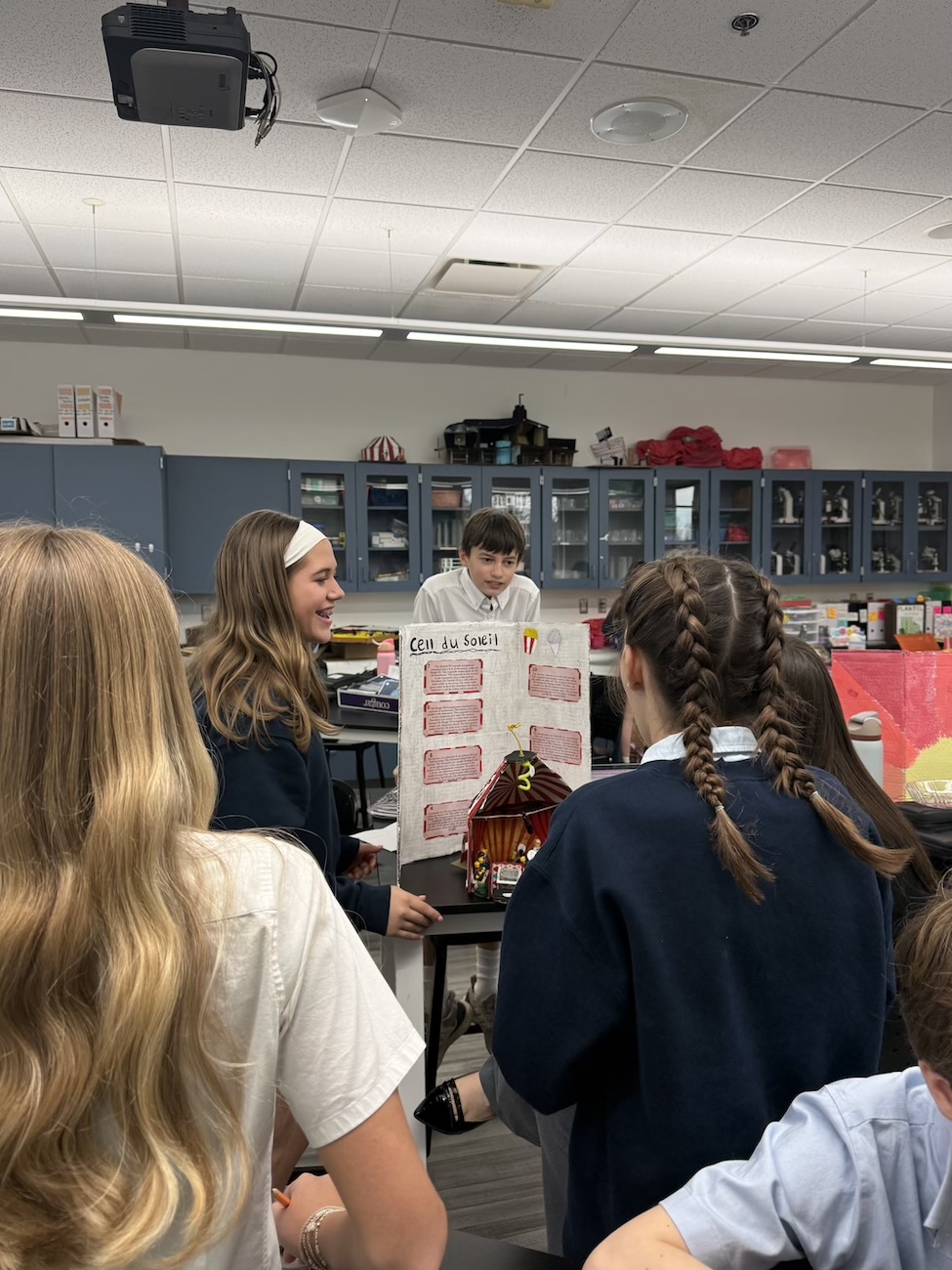
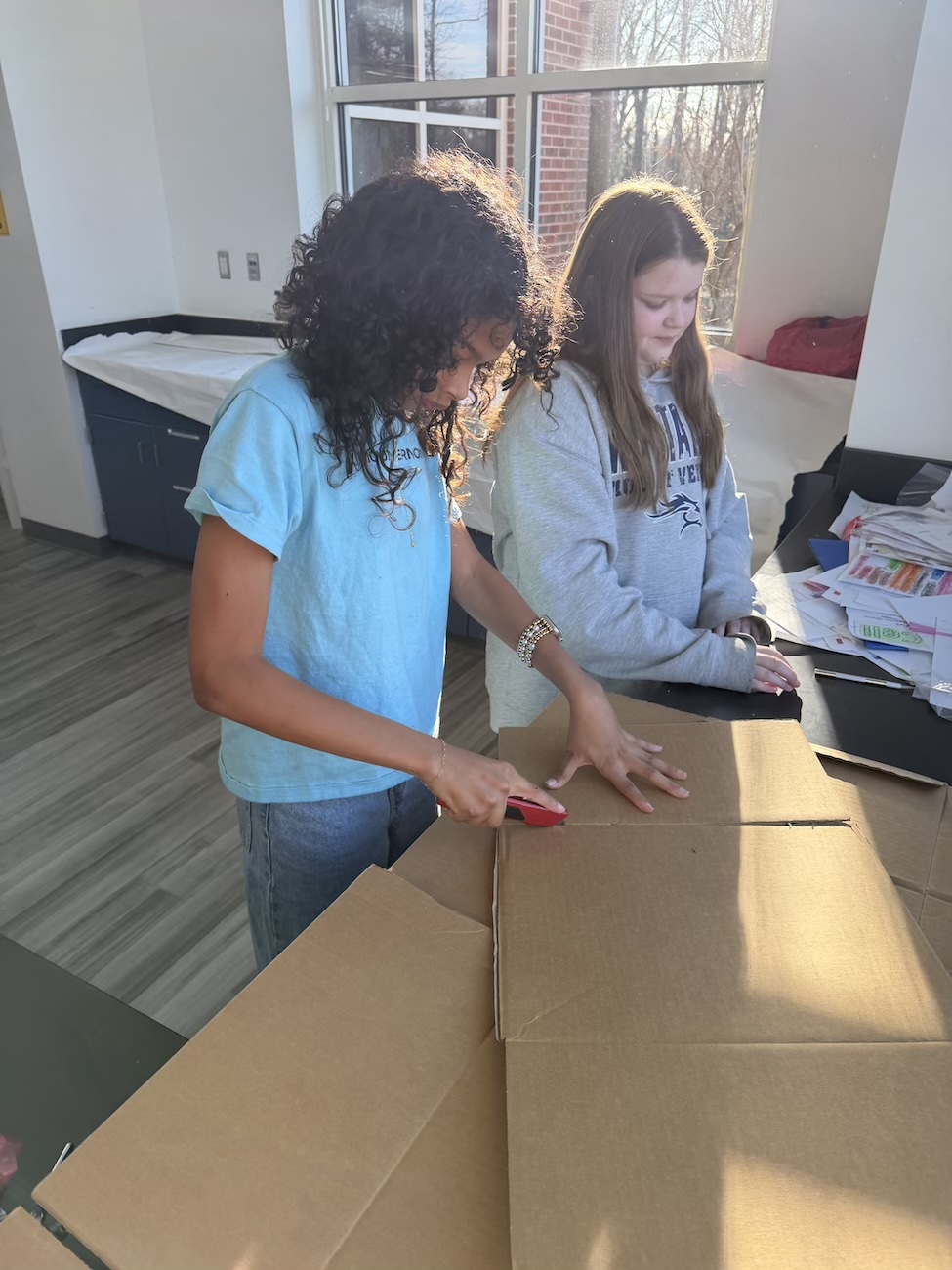

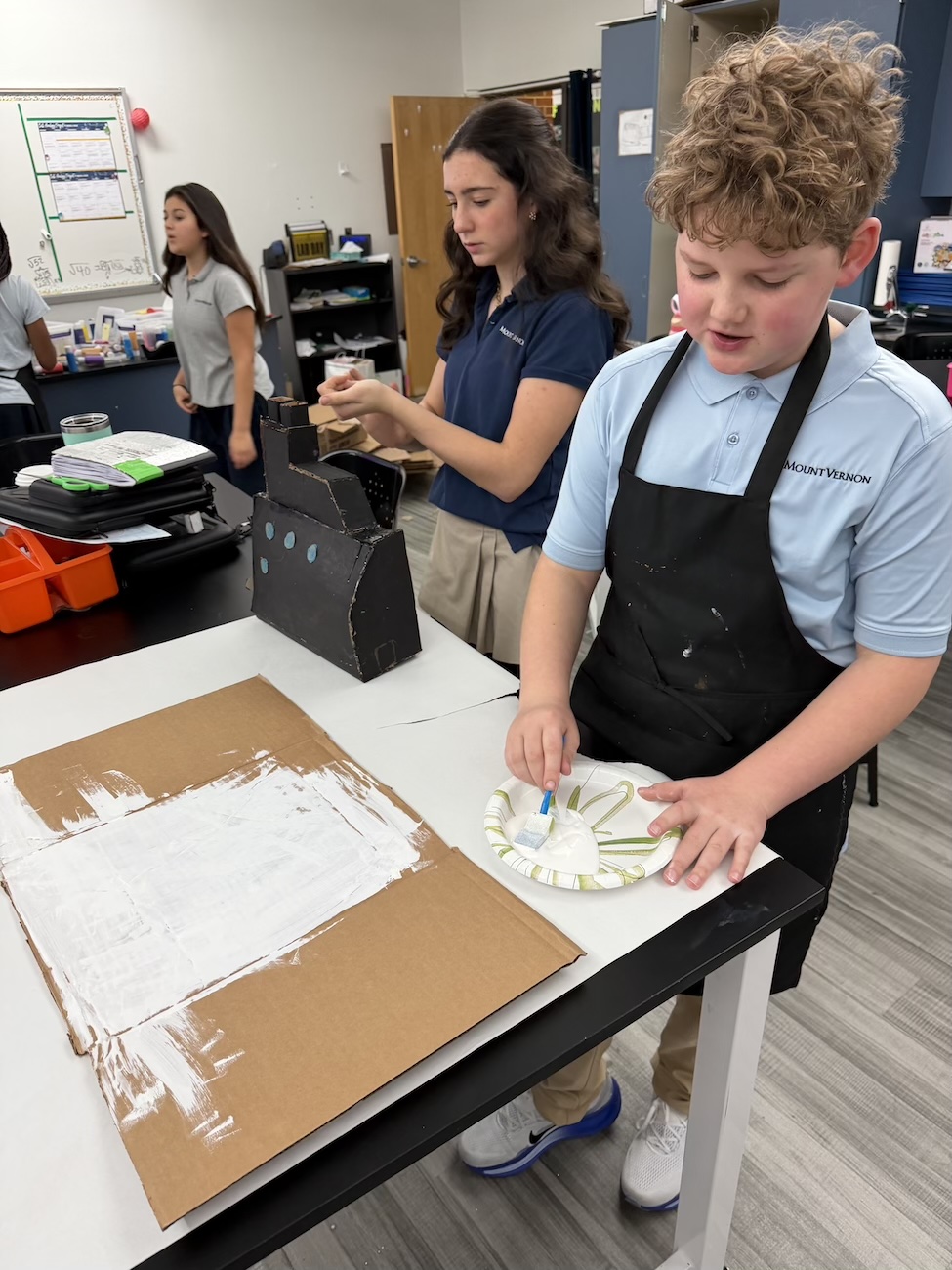
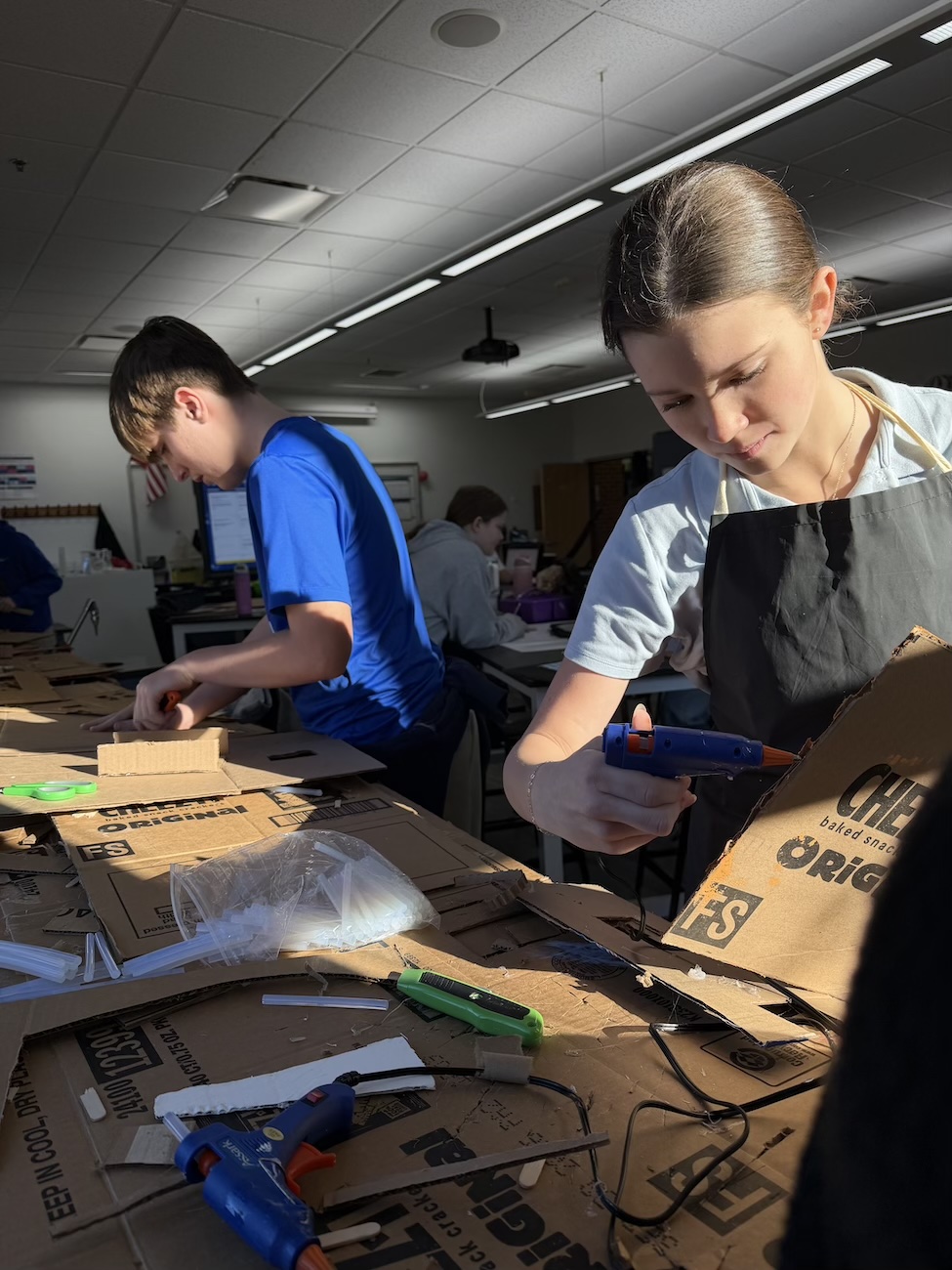
Throughout November and December, students immersed themselves in the structure and function of the cell, culminating in a visible thinking routine that required them to map and construct a complete cell system, demonstrating readiness before moving into application.
At the same time, the Humanities team played a critical role in strengthening the unit’s foundation. Recognizing that analogy itself is a skill, students revisited how analogies work, explored different types, and practiced identifying relationships and patterns before applying that thinking in science.
As Grade 7 Humanities teacher, Rachel Tribble explains, “we really looked at the different types of analogies… and gave students time to grapple with them, to decide what kind they were and to discuss the logic behind them. So they went into the cell analogy project with that background knowledge of what the function of an analogy is and the different types there are.”
This intentional alignment across disciplines ensured that creativity was matched with precision, giving students both the language and the structure to think deeply.

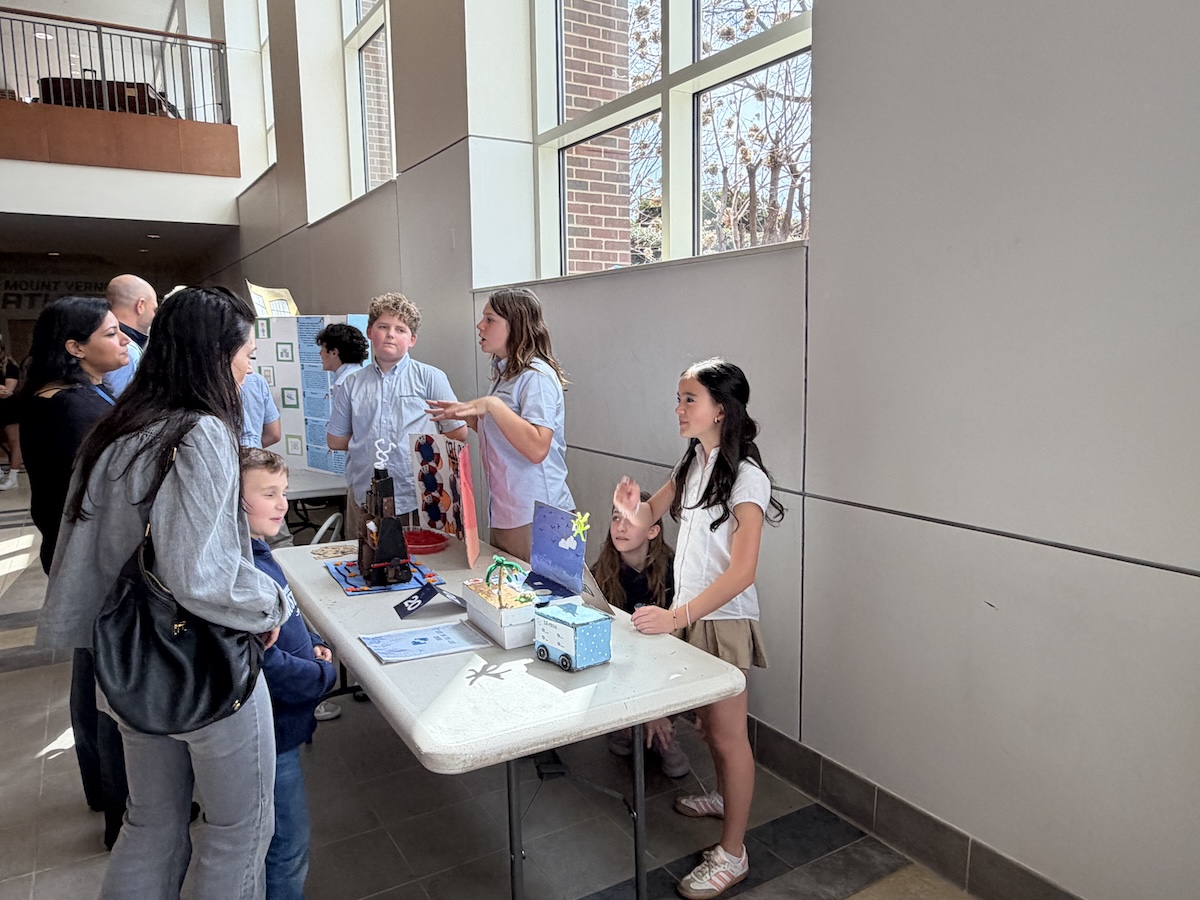
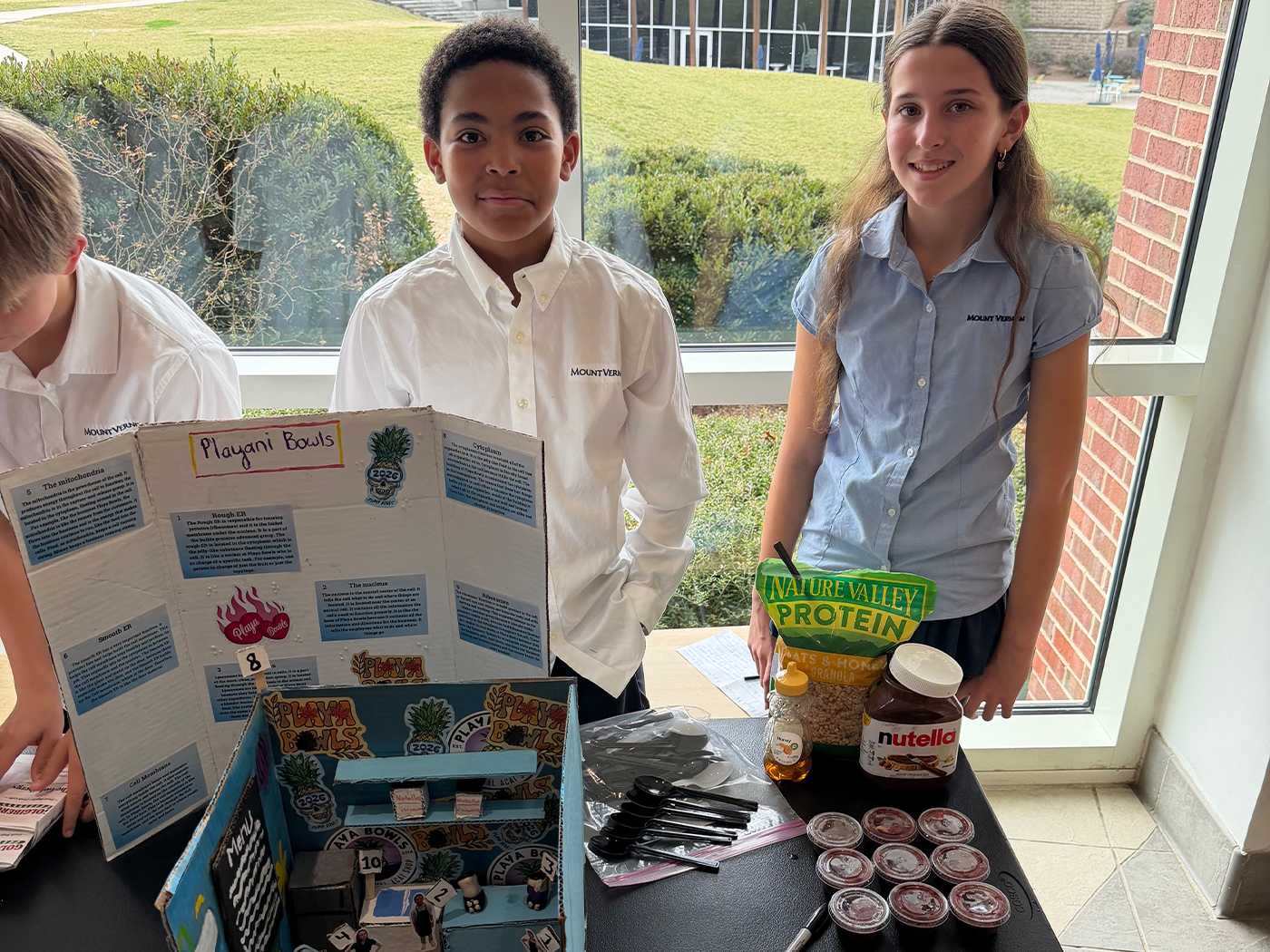
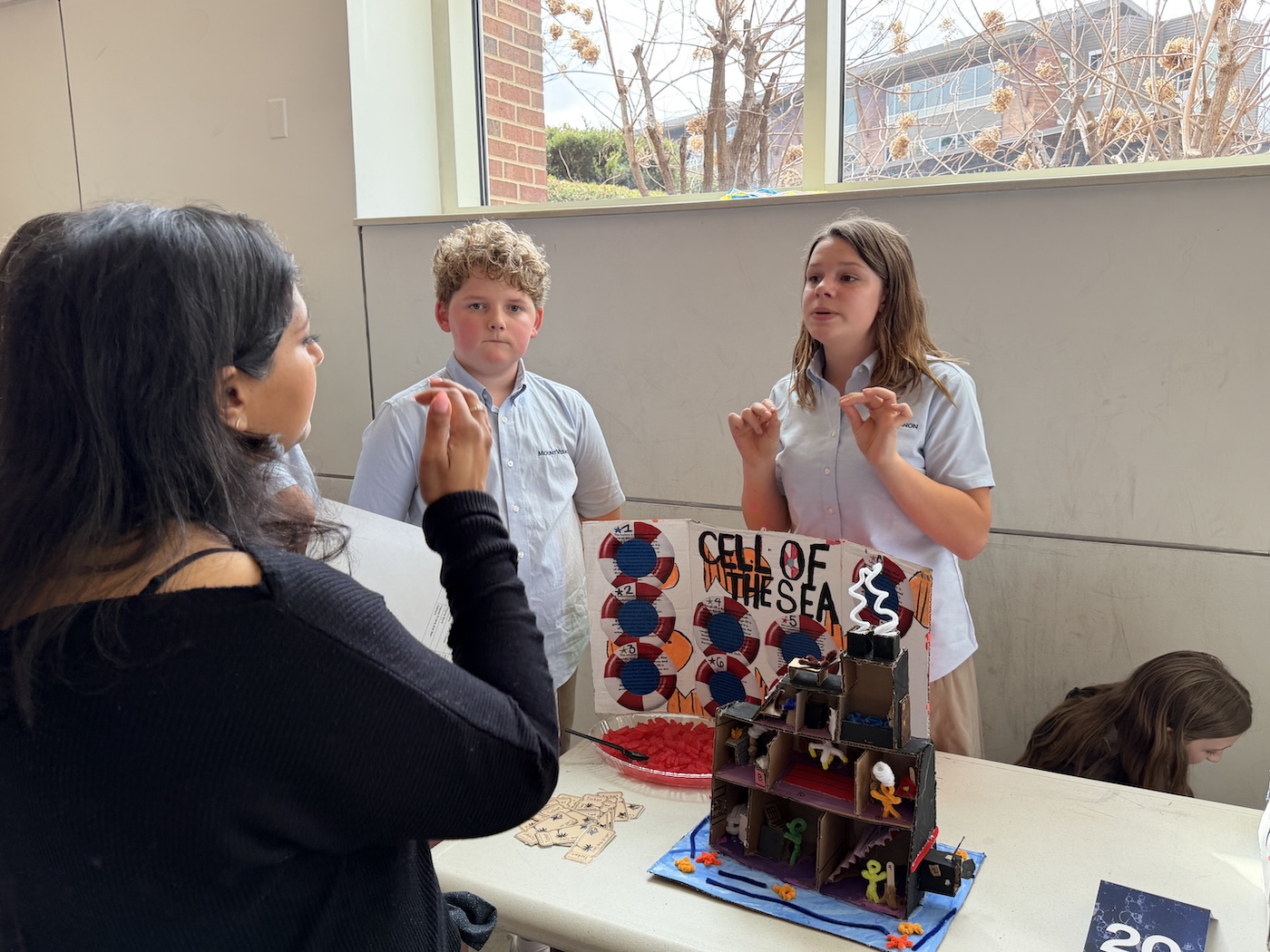
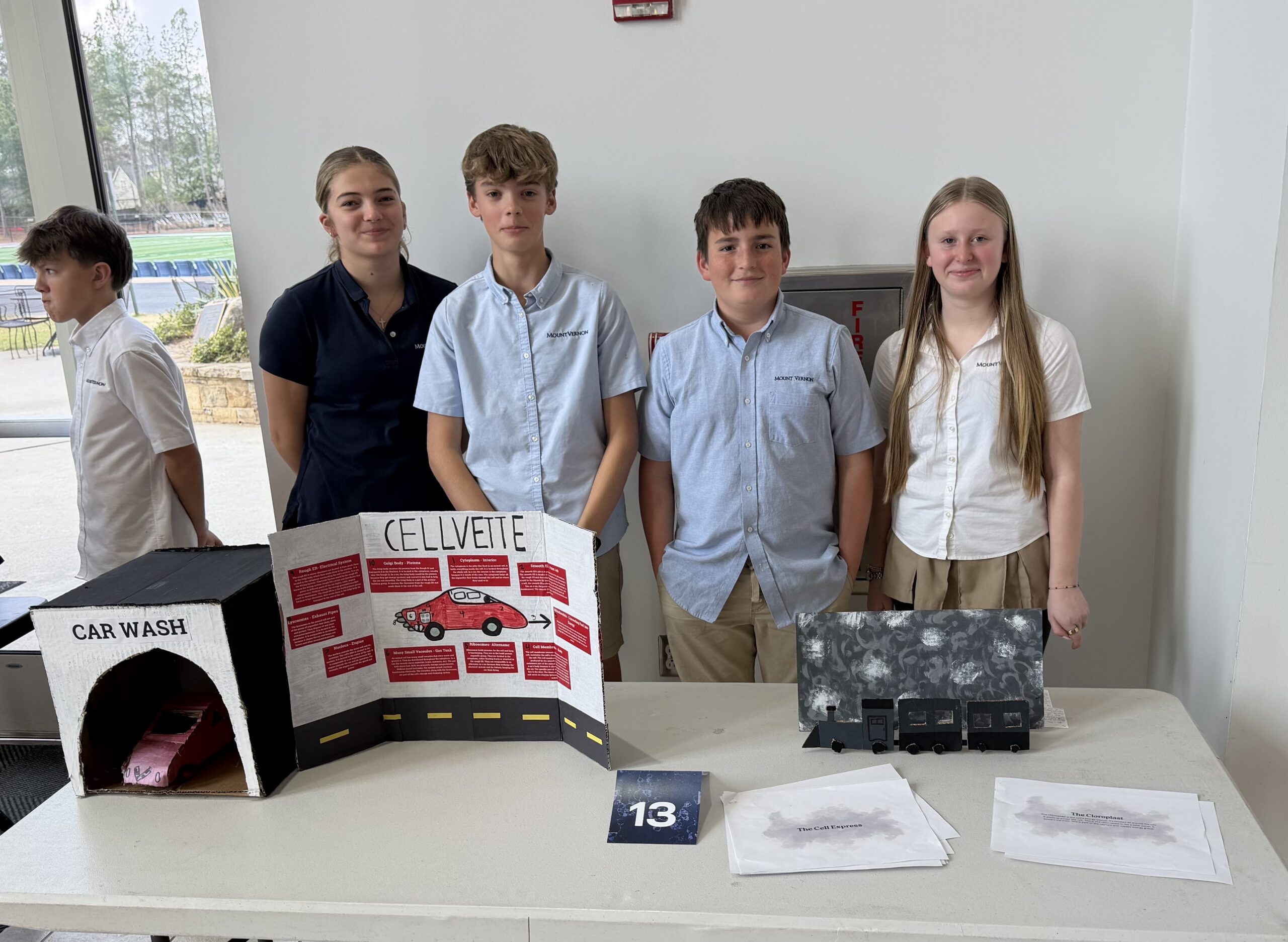
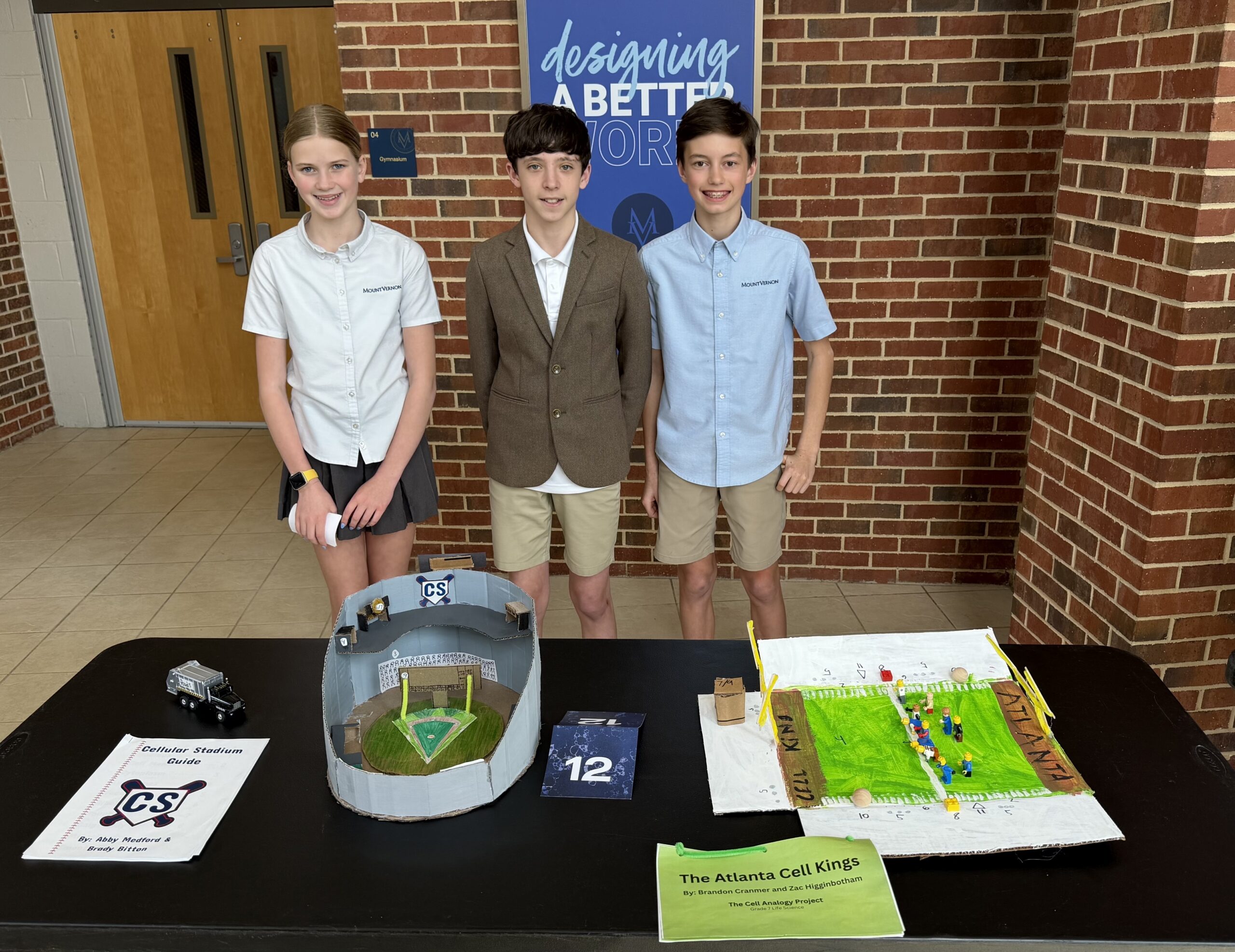
When the project launched in January, students began a multi-week process that blended scientific writing, inquiry, and design. They crafted detailed analogy paragraphs for each organelle, explaining how it functions within a cell, how it connects to a chosen system, and why that comparison holds true. Through structured feedback cycles and revision, their thinking became increasingly refined and sophisticated.
Grade 7 student, Darby H. reflected, “when this project was introduced, the first thing I thought was ‘this is going to be so much work just for a project’, but in reality, the work ended up being fun, engaging, and it helped me connect with some of my classmates and build my ability to work in a team.”
To support this work, Kennedy introduced elements of the 4D methodology, inspired by Grade 8’s signature class, Impact Design Lab, led by Kevin Day and Dr. Todd Wass. Students didn’t simply start building; they planned, sketched, and scaled their ideas, mapping out each step before bringing their concepts to life.
“Because students engaged in intentional planning and design thinking upfront, they approached the build process with greater clarity and purpose,” Kennedy reflects. “Rather than asking where to begin, they were able to move forward confidently, using a structured process to bring their ideas to life.”
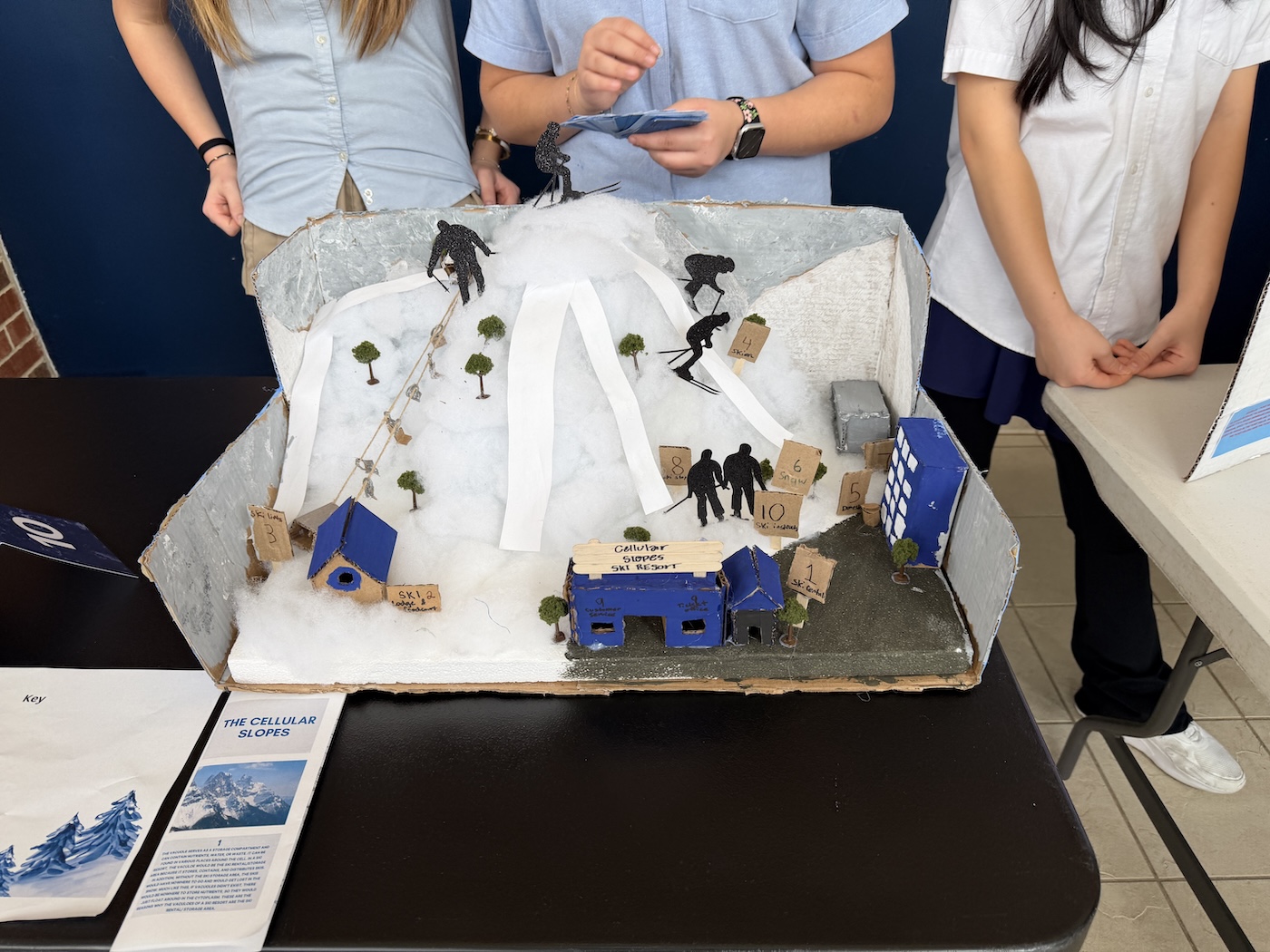
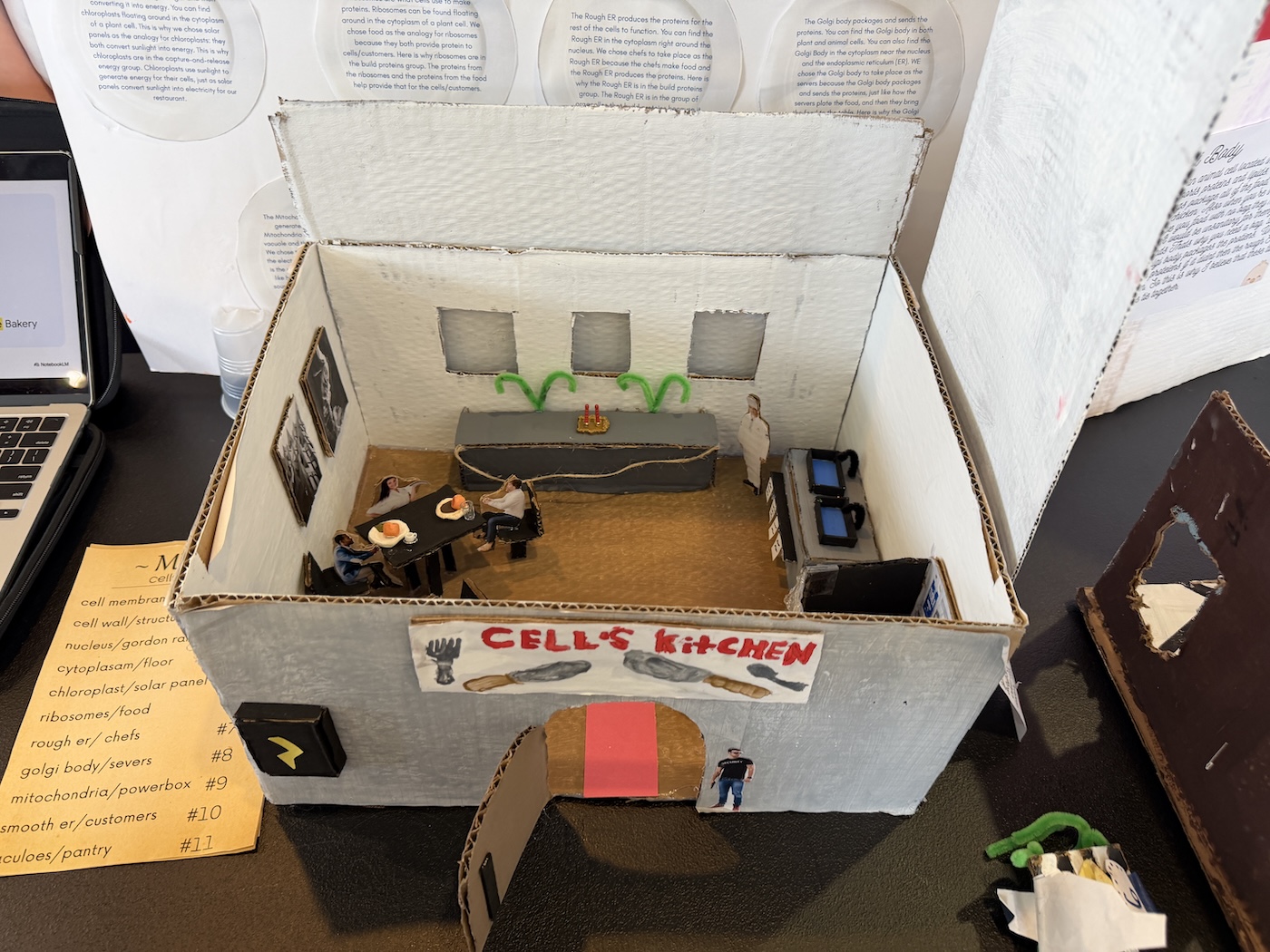
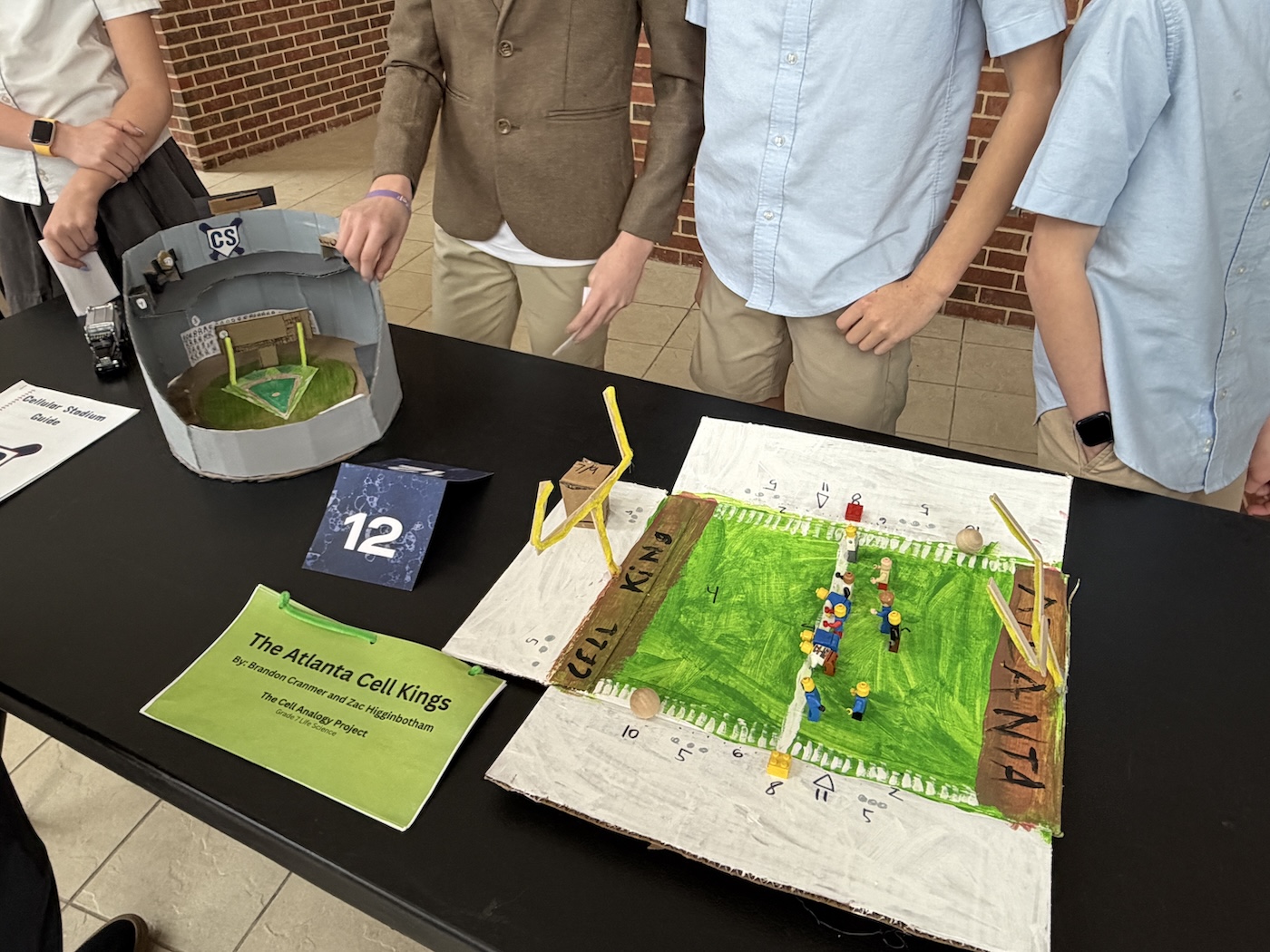
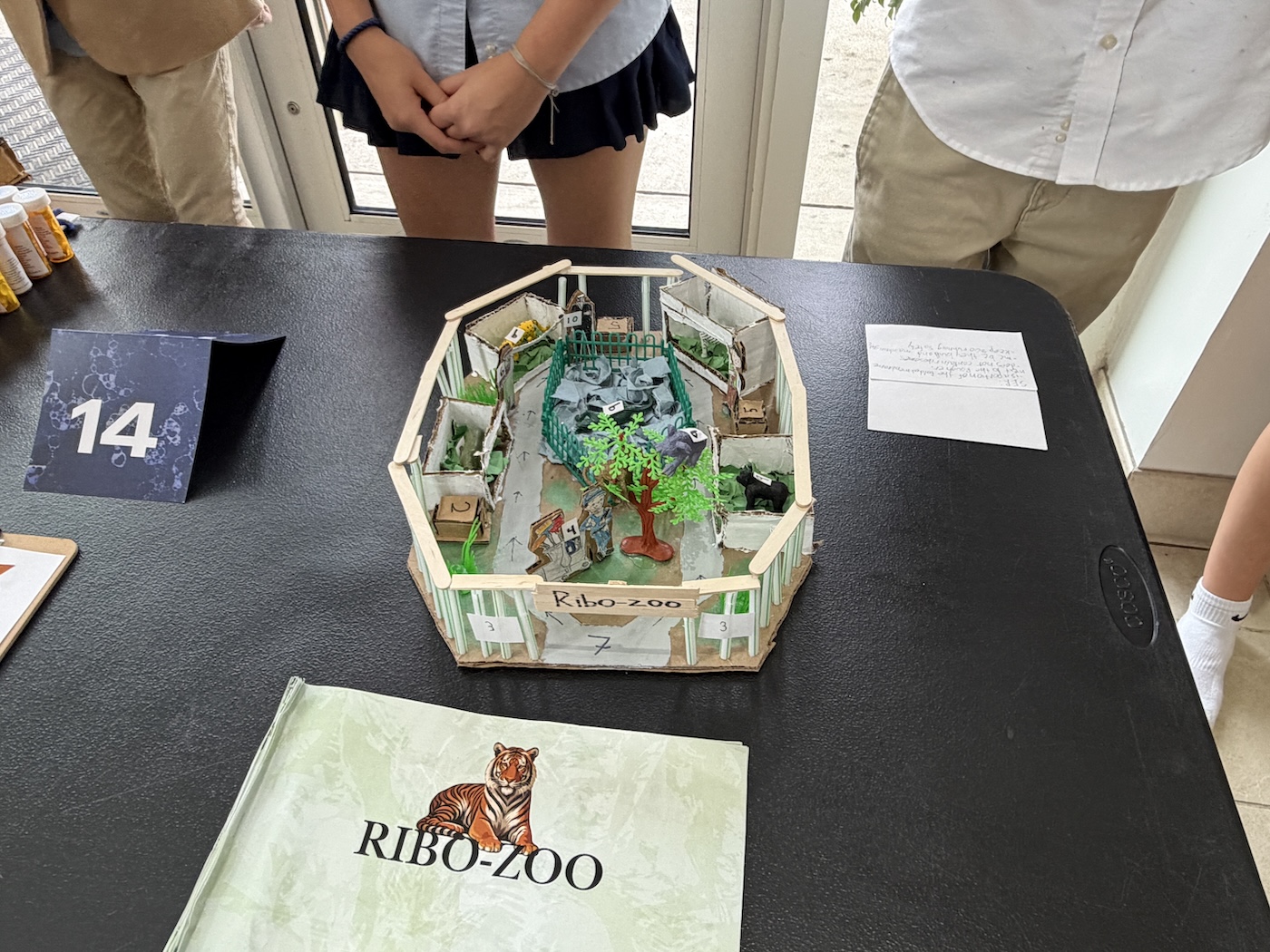
That preparation shifted the energy of the classroom. Instead of hesitation, students moved with purpose, translating ideas into tangible, thoughtfully constructed models.
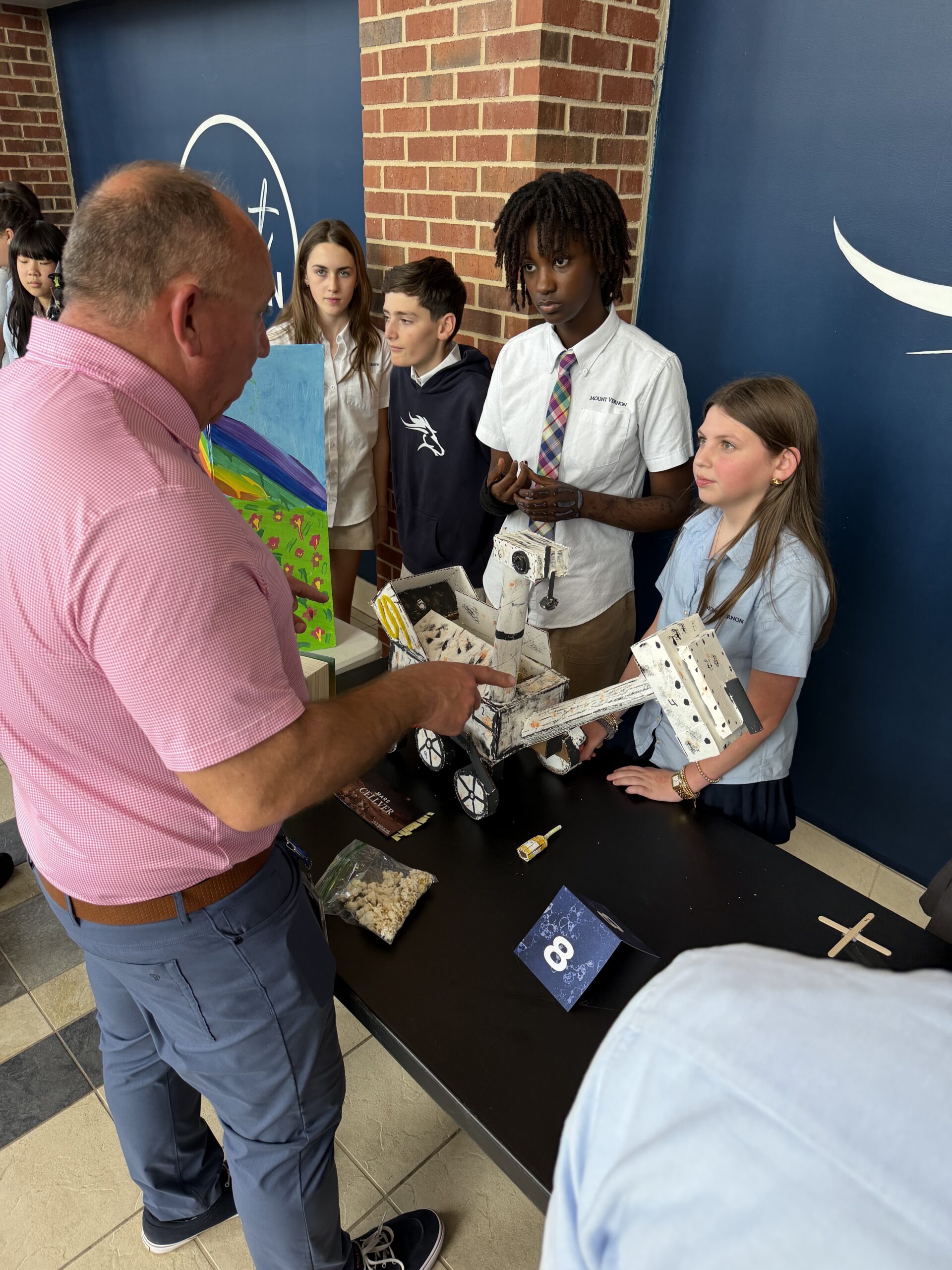
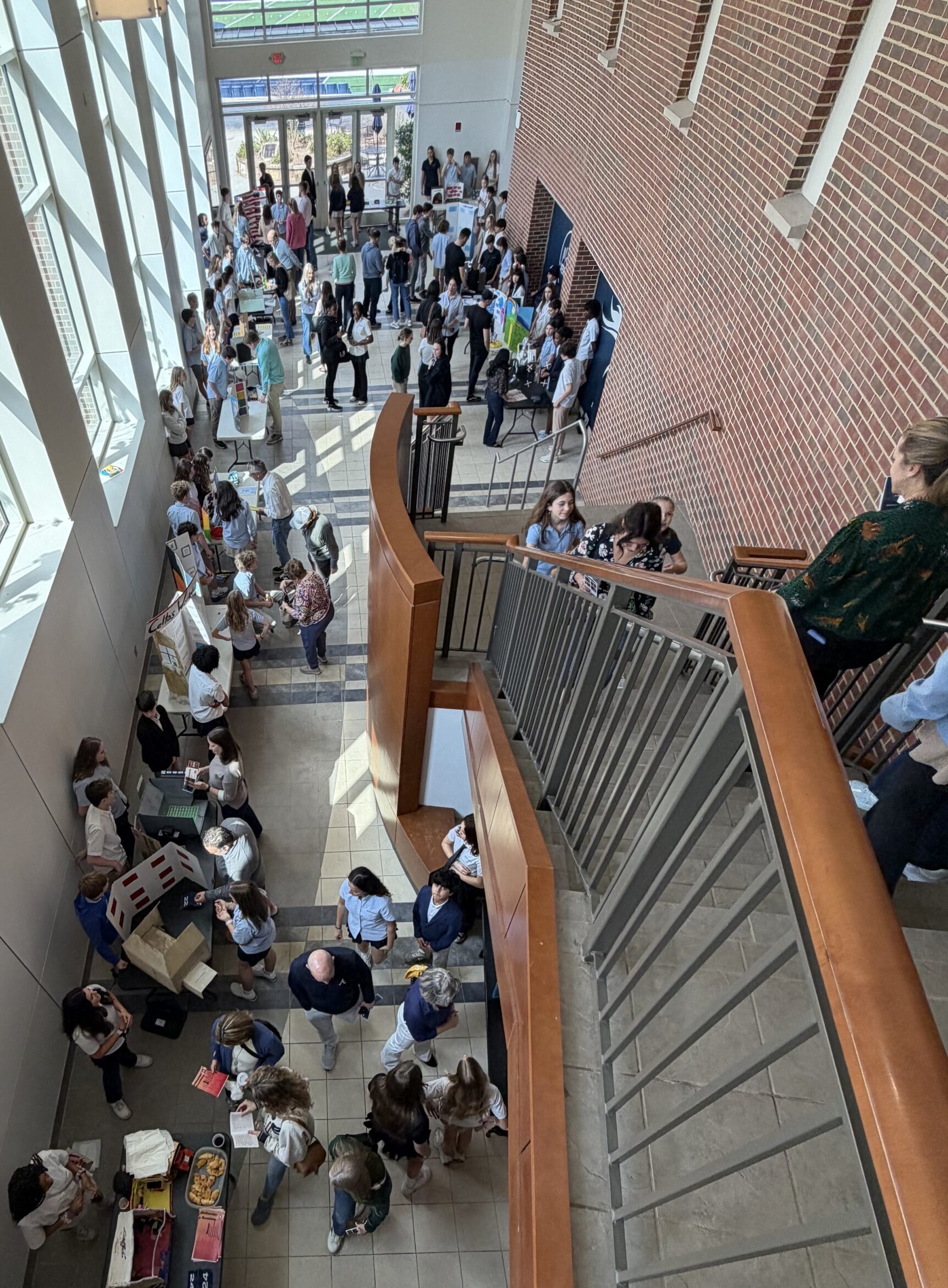
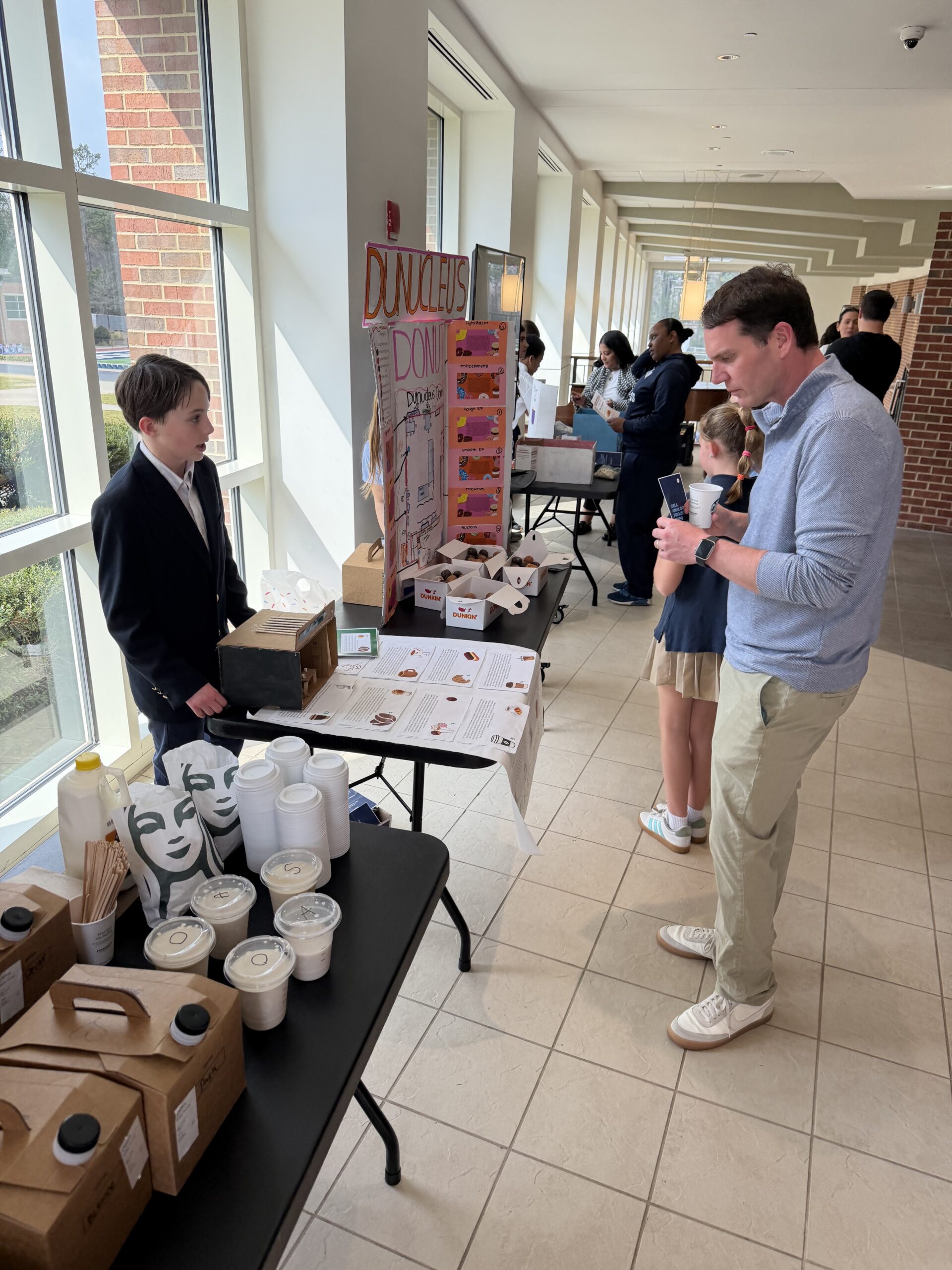
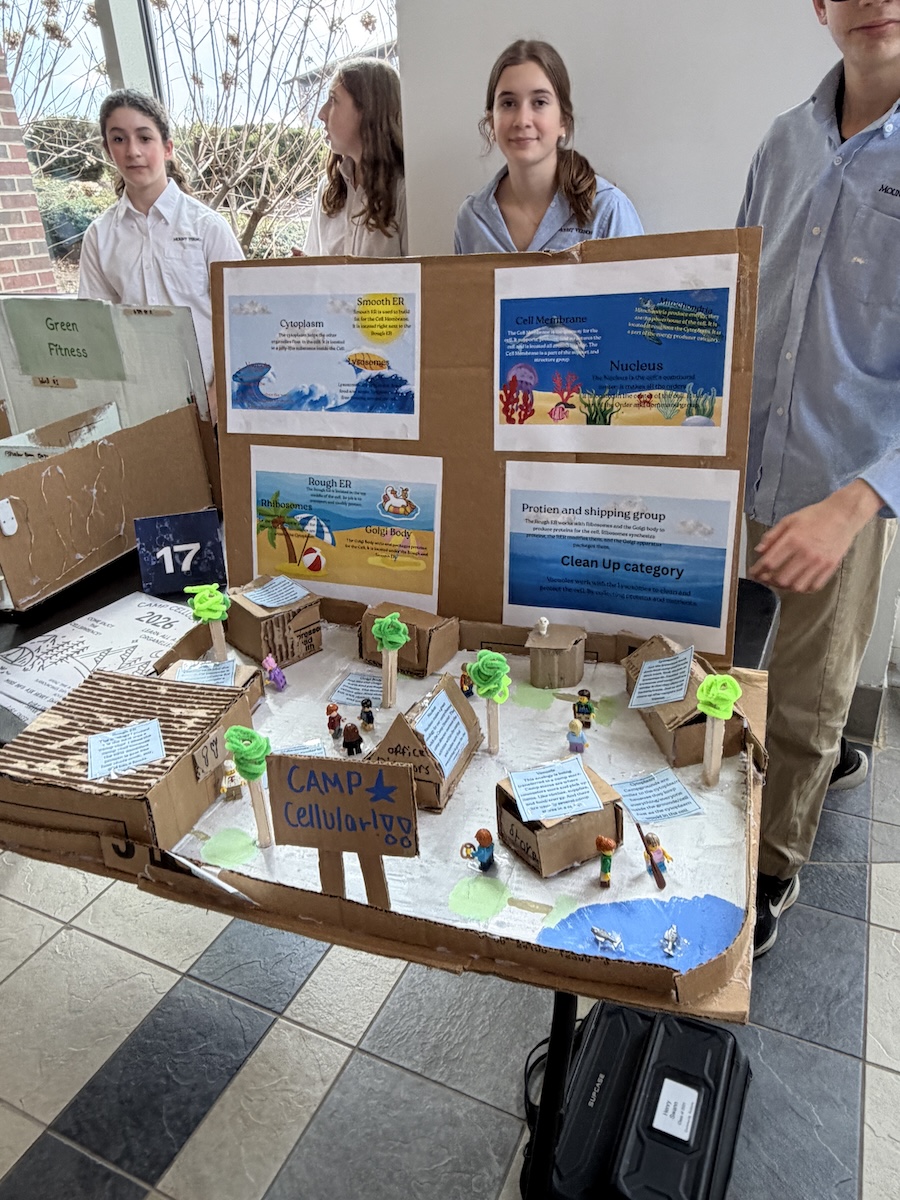
The Cell Analogy Expo, held just before spring break, served as the culminating experience, where students presented their work to an authentic audience. The range of analogies reflected both imagination and depth of understanding, with projects drawing connections between cells and circuses, ski resorts, drones, botanical research domes, and even the inner workings of an iPhone.
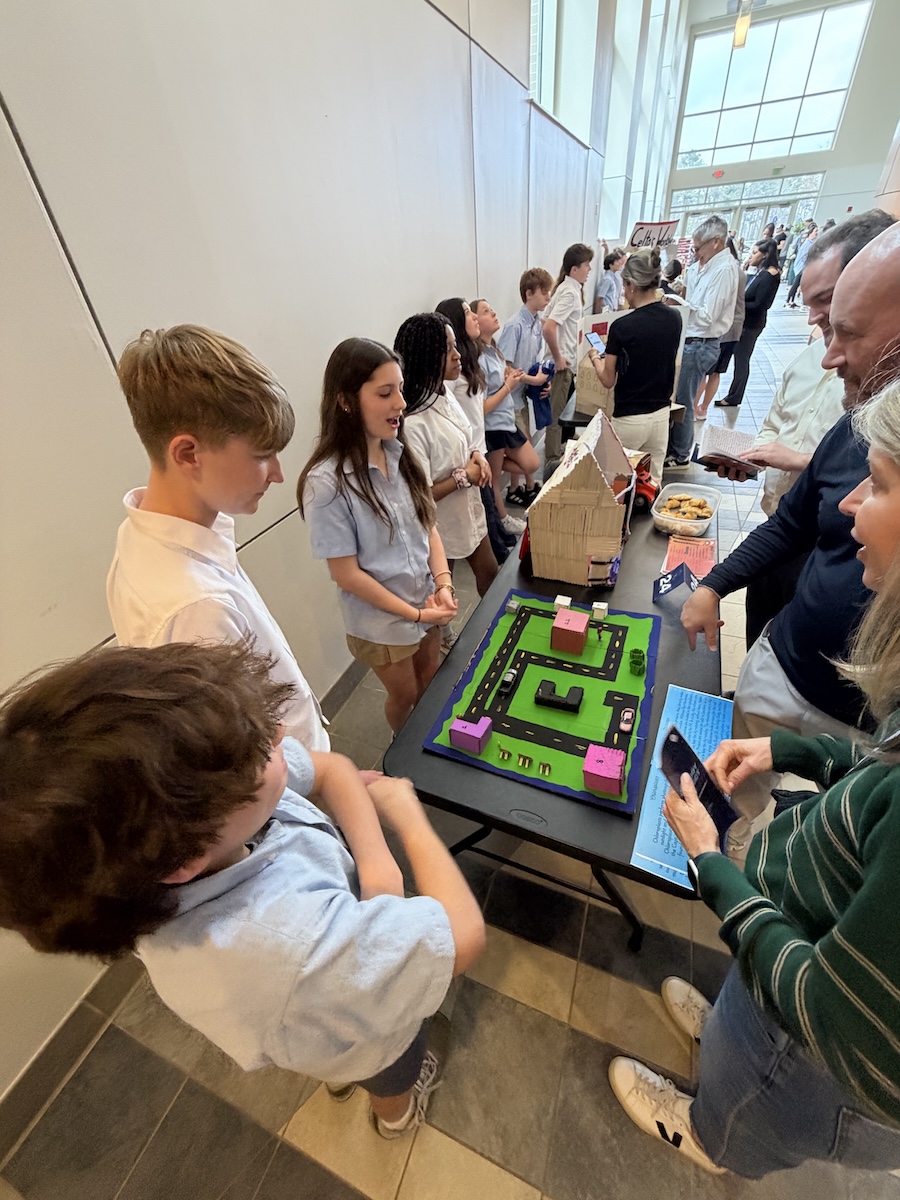
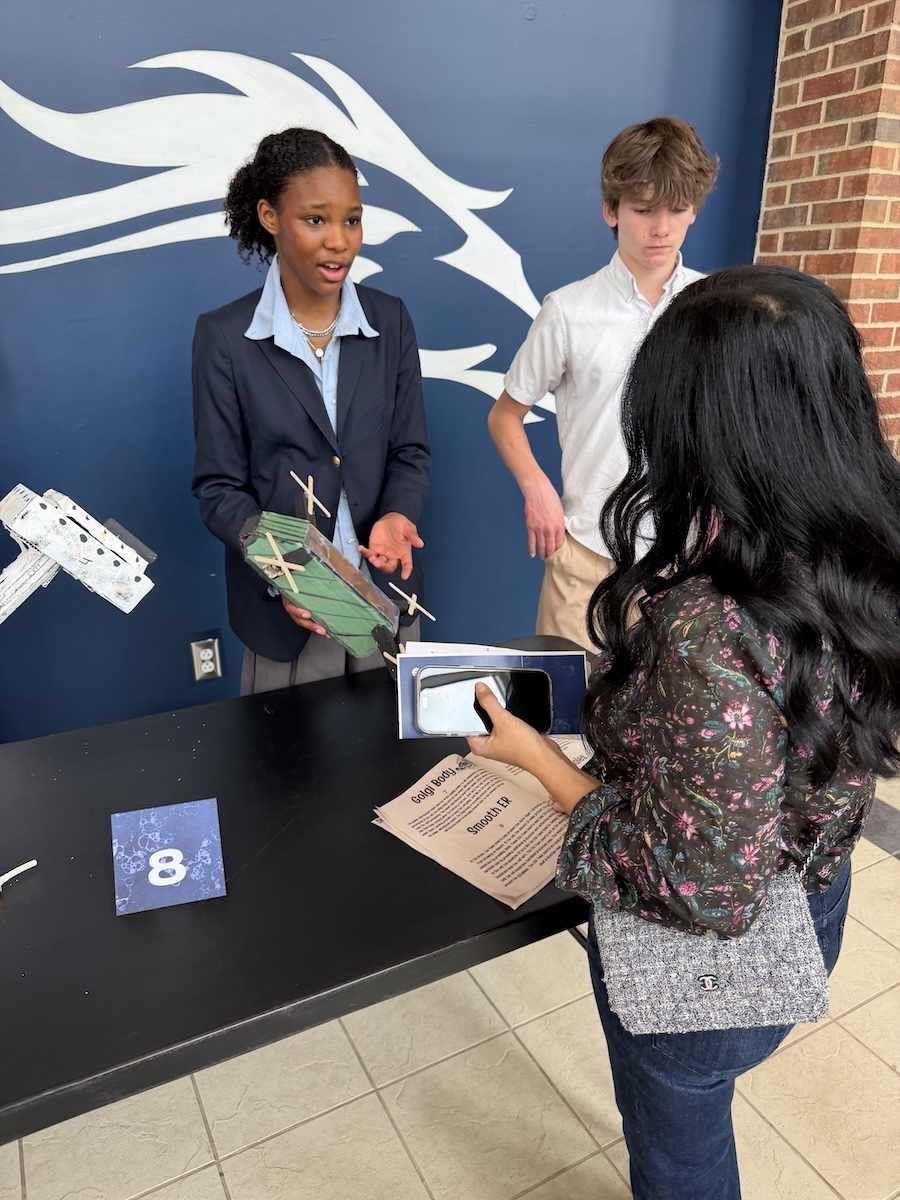



What distinguished this year’s work was how far students pushed beyond expectations.
“Many students extended their thinking beyond the foundational expectations, demonstrating not only an understanding of individual organelle functions, but also how those systems interact. They applied that complexity within their analogies, reflecting a more integrated level of mastery,” Kennedy shares.
Rather than simply assigning roles, many students demonstrated how systems interact, mirroring the interdependence of organelles within a cell. These layered, intentional connections signaled a level of mastery that extended well beyond surface understanding.
The impact of that depth has continued to reveal itself. As students moved into subsequent units requiring recall, the difference was immediate.
Students are not only remembering content; they are applying it with confidence, using their understanding of cells to make connections to more complex topics like genetics with clarity and ease.
“Creating analogies helped me understand cells differently than just learning from notes or a textbook. In a regular class, we follow the same mundane process of writing notes or reading material but on this project I was able to take action in my learning, choosing what my theme was based on my own interests. This helped deepen my engagement with the material and memory of the information,” says Grade 7 student Luke L.
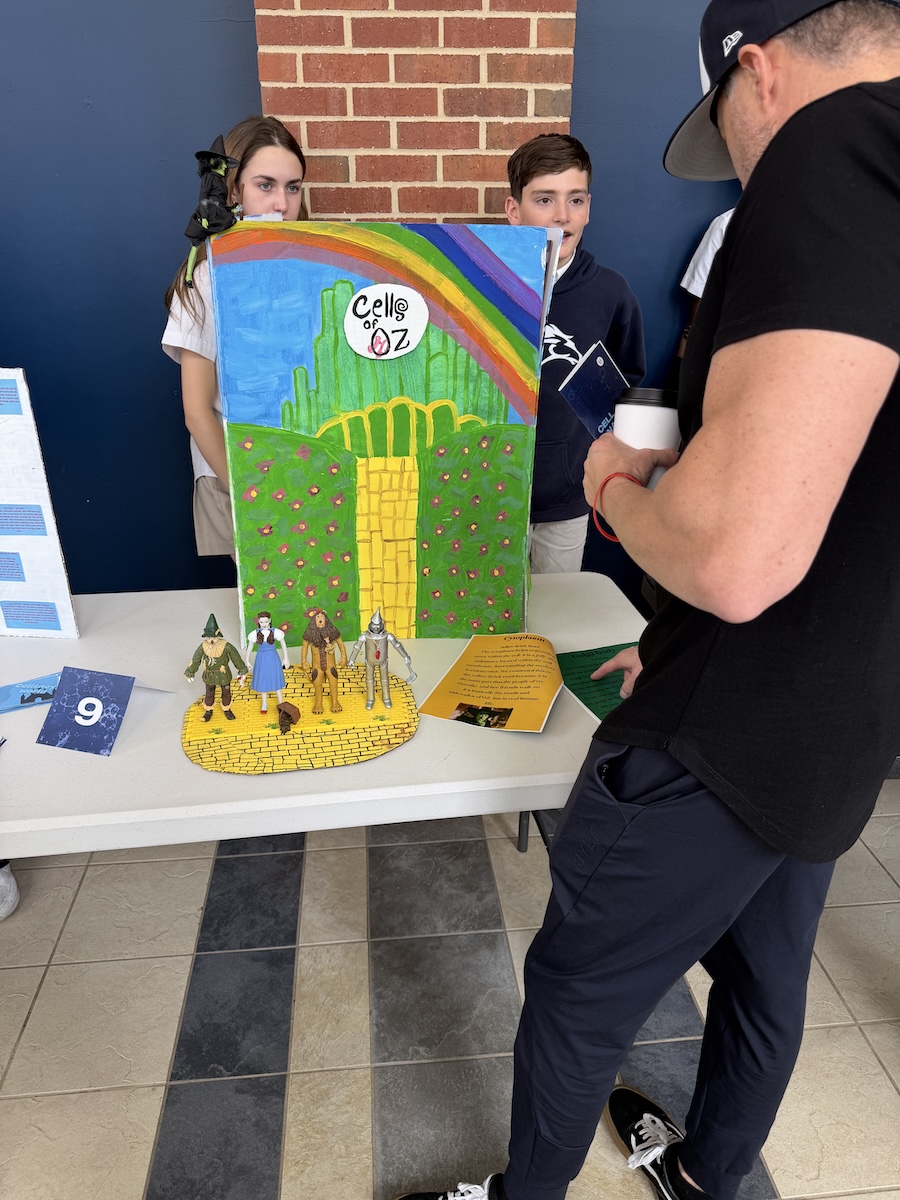

The Cell Analogy Project reflects a distinctly Mount Vernon approach to teaching and learning, one that values connection, creativity, and deep understanding. By aligning disciplines, grounding learning in real-world relevance, and empowering students to design and create, the experience transforms a traditional science unit into something far more meaningful.
As Kennedy reflects, the outcome is clear. “Students didn’t simply demonstrate proficiency; they went above and beyond, showing deeper levels of understanding, creativity, and ability to apply what they learned.”