This year’s Interim program demonstrated what is possible when students connect across divisions, bringing Lower and Upper School learners into shared experiences that are both purposeful and deeply engaging. At the center of this work was Helen Hudgens, Lower School Floating Faculty member and Mount Vernon alumna (Class of 2016), who, in partnership with Molly Hudson, Head of Lower School, and Trish Bogdanchik, Head of Upper School, recognized an opportunity to create more connections between campuses.
What began as a small pilot last year, primarily within Kindergarten, expanded into a Lower School-wide experience. Nearly every Upper School Interim trip was paired with a Lower School grade level, aligning destinations with existing units of study.
The result was a more connected learning experience, one that strengthened relationships across campuses while grounding global travel in meaningful, real-world context.
Rather than layering on something new, Hudgens embedded collaboration into existing curriculum.
“I started by connecting with Lower School teachers to understand what units they were in during that time, then matched those to Interim trips that would naturally align,” she explained. She started with the driving question: How might we create meaningful connections between Lower School and Upper School students through shared learning experiences based on national and international Interim trips?

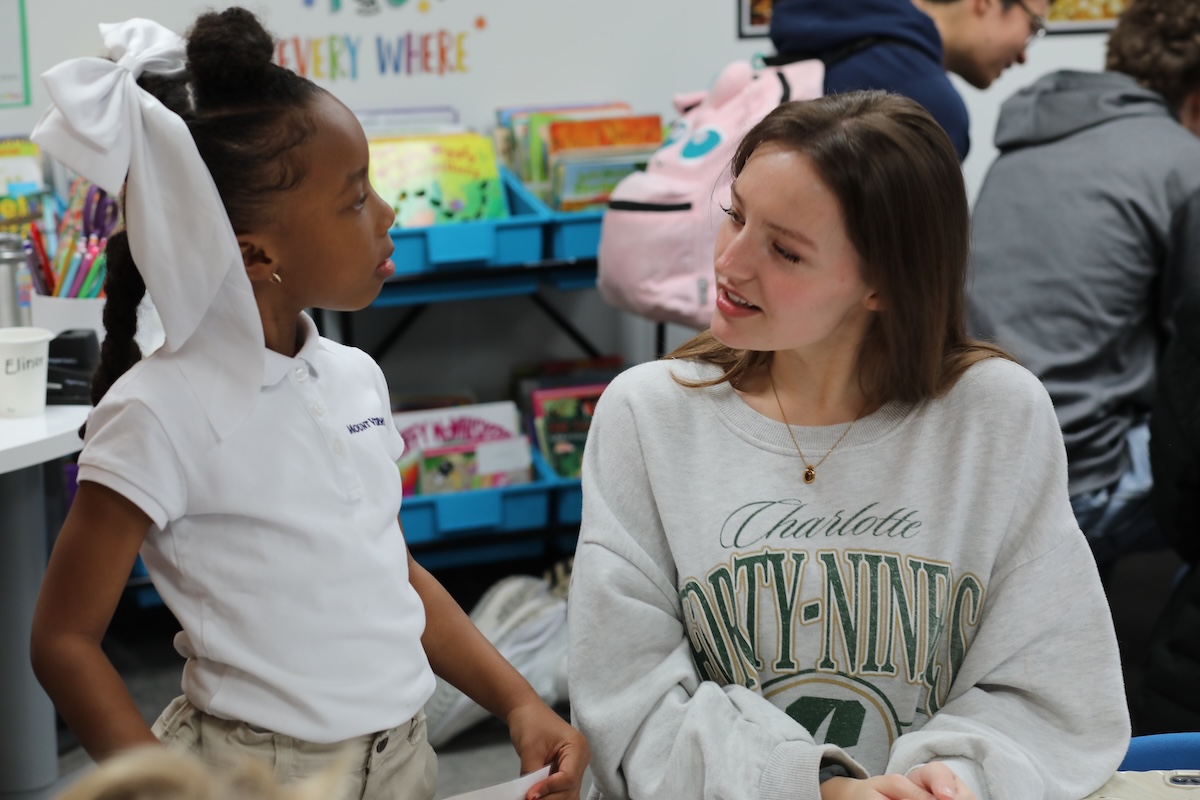
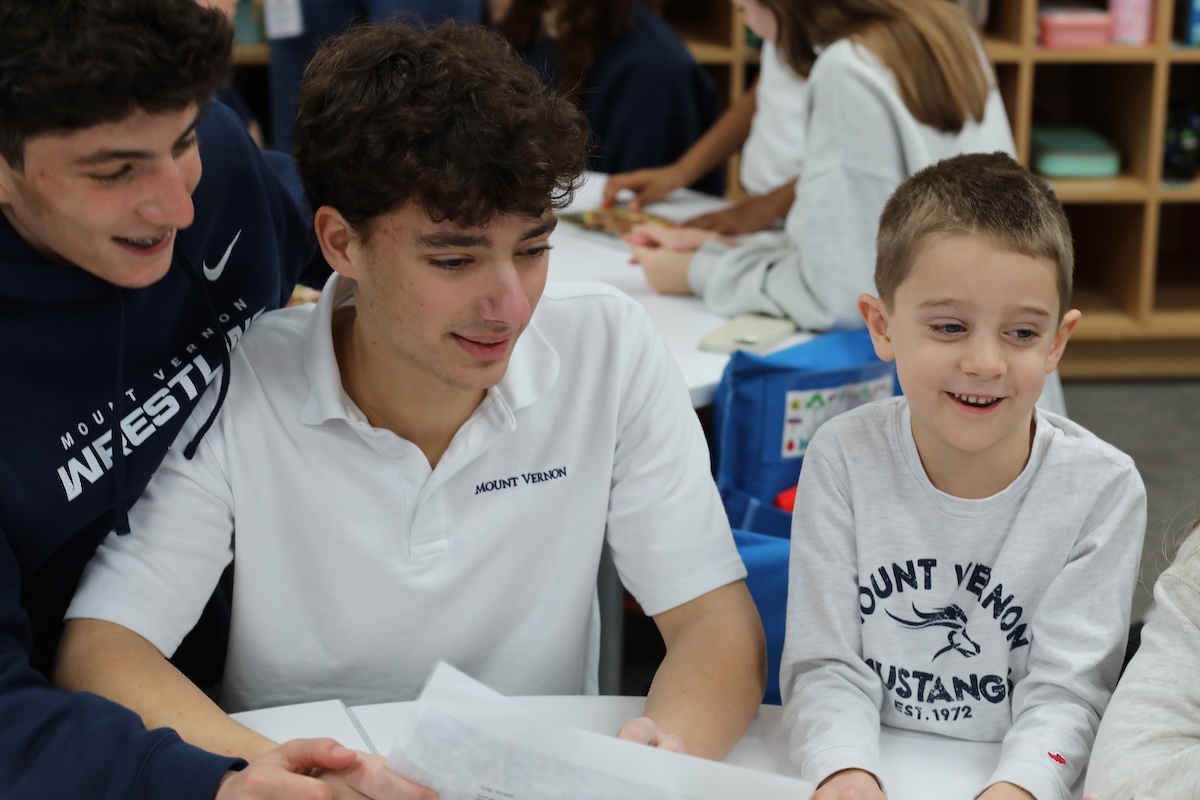
The result was intentional, relevant, and often immersive learning:
- Kindergarten + Vietnam, Malta, Costa Rica, Peru (Communities): As students explored how countries are shaped by culture, geography, and values, Interim partnerships brought those differences to life. These experiences informed a culminating project in which each student designed their own country, drawing inspiration from global perspectives.
- Grade 1 + Zanzibar (Space, Light, and Sound): Students examined how light and sound function as tools for communication, comparing how people in Zanzibar and the United States use these elements to share information and connect. While in the country, the Upper School students zoomed with Grade 1 and sang them a traditional Zanzibarian song.
- Grade 2 + New Zealand (Early American History and Exploration): Learners investigated how people connected across distances in the 1700s to 1800s, exploring trade, shipping routes, and the realities of long-distance travel, enriched by insights from students preparing for global exploration.
- Grade 4 + Galápagos Islands (Structures and Functions of Living Things): Students explored how organisms adapt for survival, growth, and reproduction, then generated questions for Upper School travelers studying the Galápagos’ unique ecosystems. Those questions are now being answered through student-created presentations following the trip.
- Grade 5 + Italy (Renaissance Studies): Learning came to life as students experienced the Renaissance firsthand, painting “Sistine Chapel-style” while lying beneath their desks, mirroring Michelangelo’s process and deepening their understanding of art, innovation, and human achievement.
Beginning about six weeks before Interim, Upper School students visited Lower School classrooms multiple times to engage in student-led discovery experiences.
“Upper School students joined Lower School classrooms for discovery lessons that were largely student-led,” Hudgens said. “Because Upper School had already been studying their destinations, Lower School students could ask thoughtful questions, add context, and deepen the learning when curiosity sparked.”
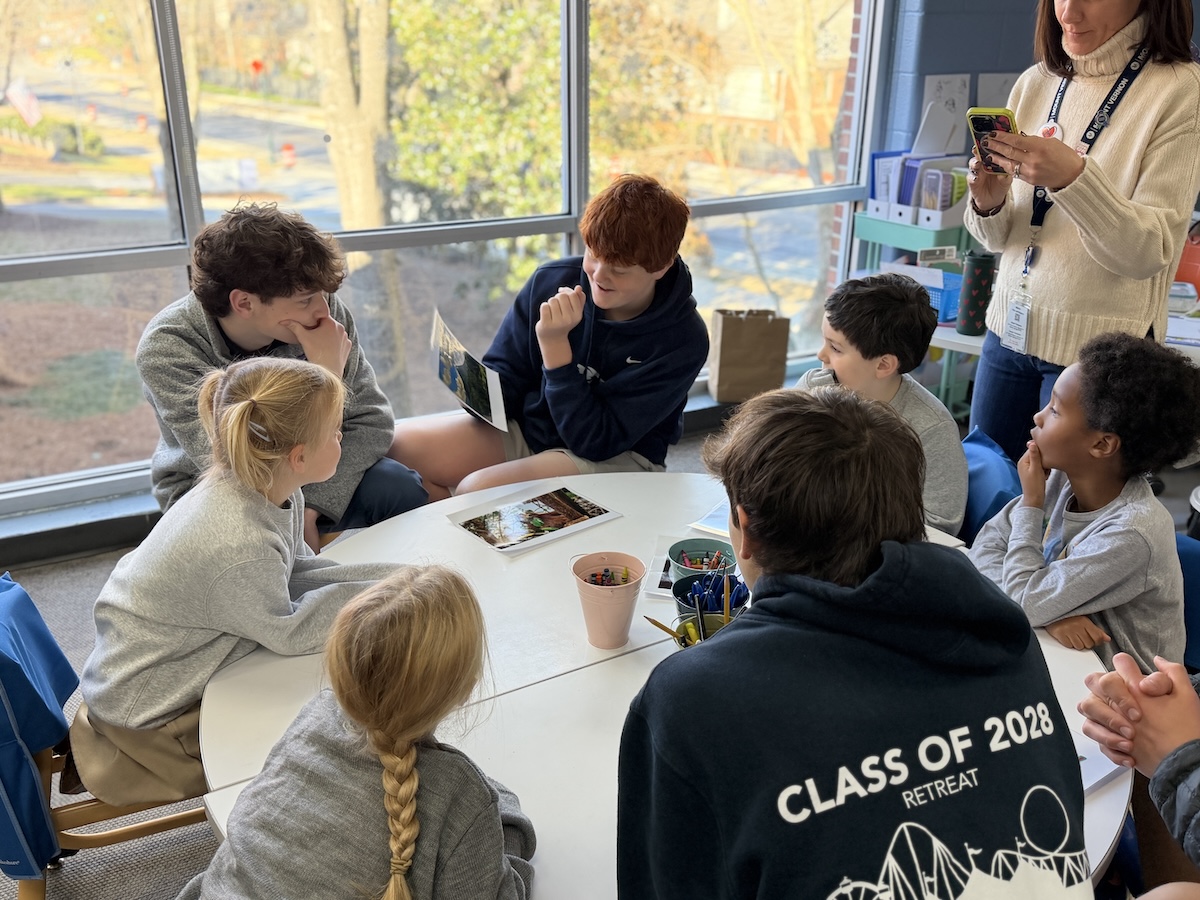
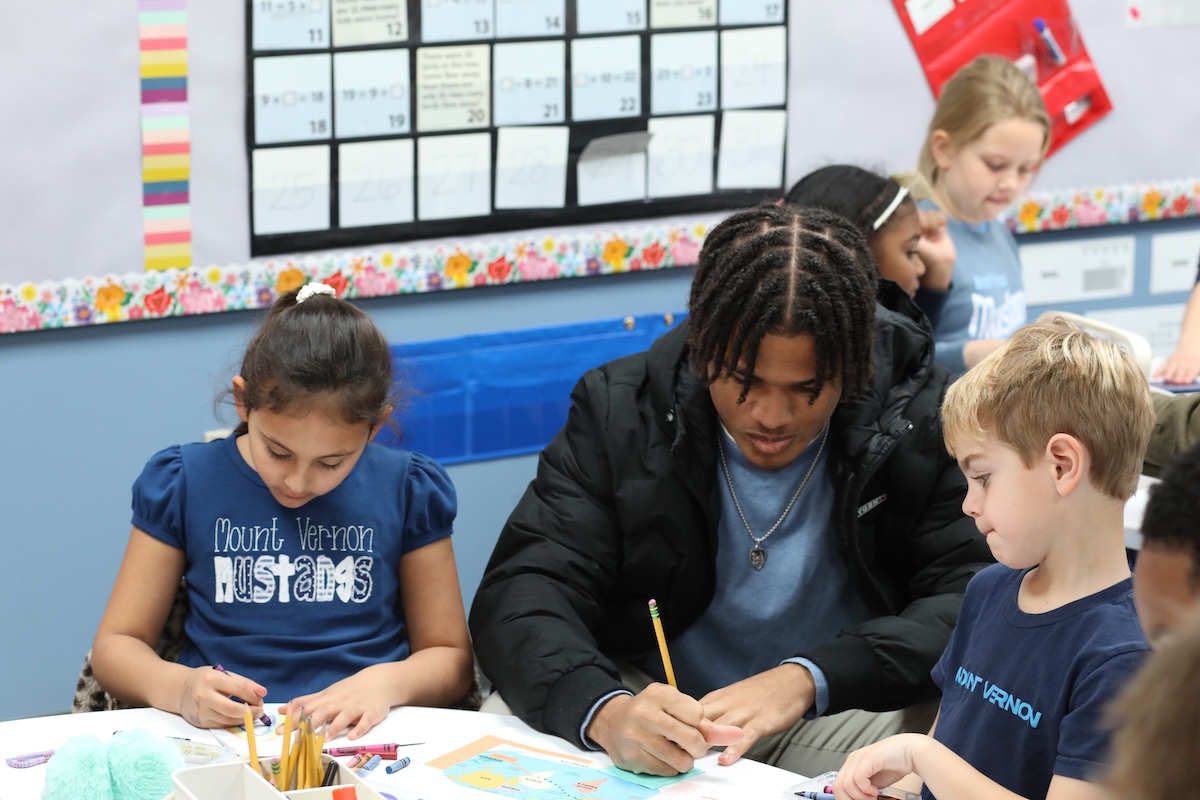
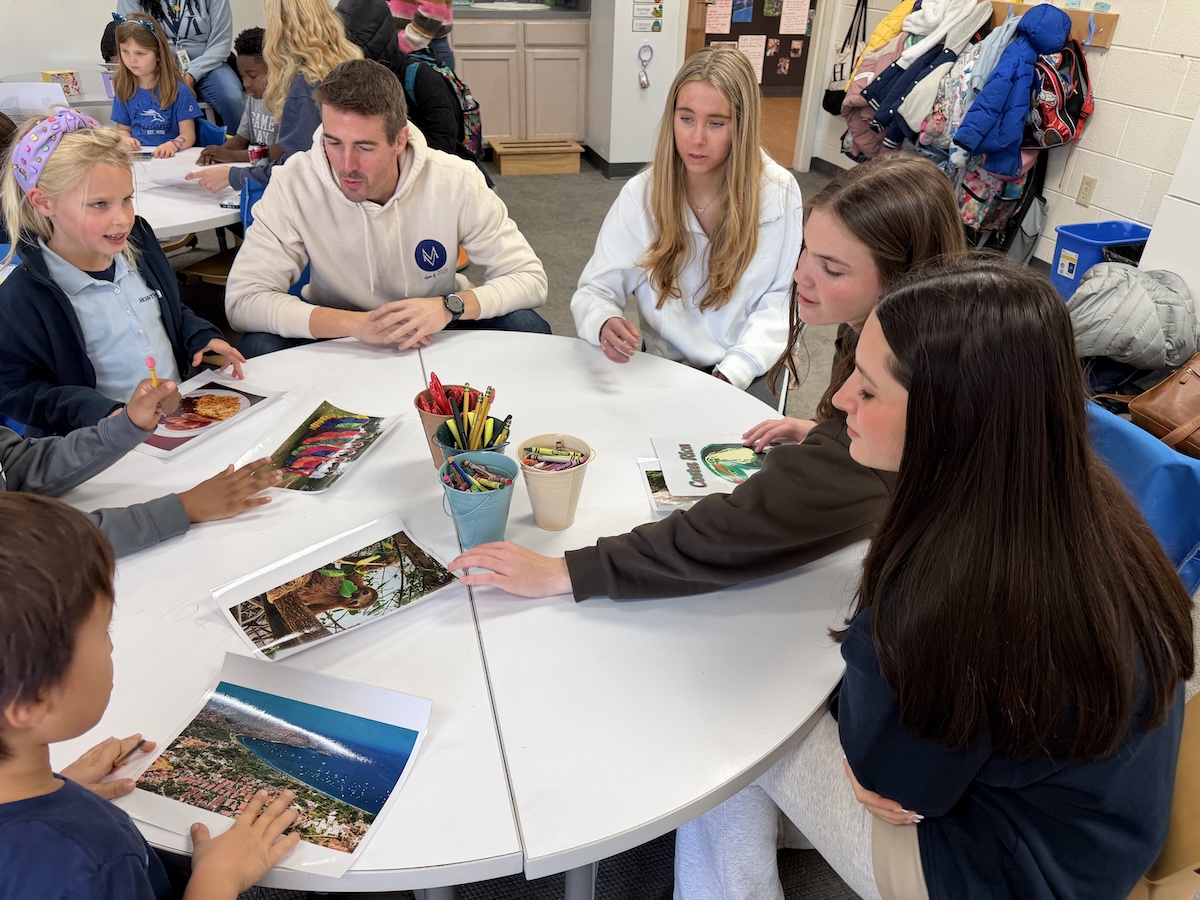

In many cases, the learning extended beyond the trip itself. Fourth graders, for example, not only posed questions to Galápagos travelers, but will also receive answers through presentations delivered in a variety of formats during the Interim showcase.
This kind of learning invites students to ask better questions, make meaningful connections, and engage with authentic audiences beyond their own classroom.
Beyond academics, the impact is personal. For many Lower School students, these interactions made future opportunities feel real and attainable.
“Lower School students were asking, ‘Are they really going to these places?’ and ‘Will we get to do that one day?’” Hudgens shared. “It was exciting to tell them that those opportunities are ahead of them in Upper School.”

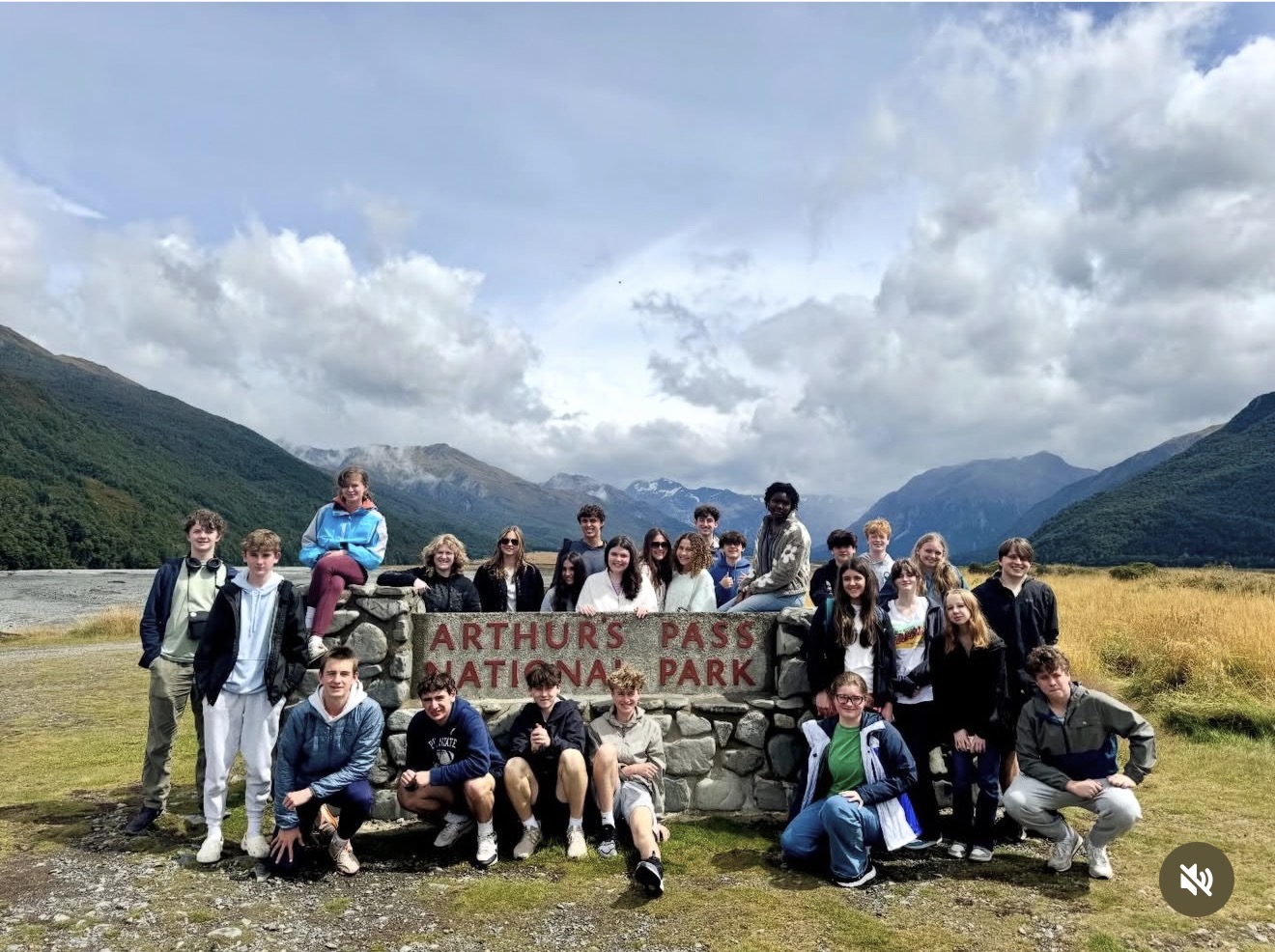

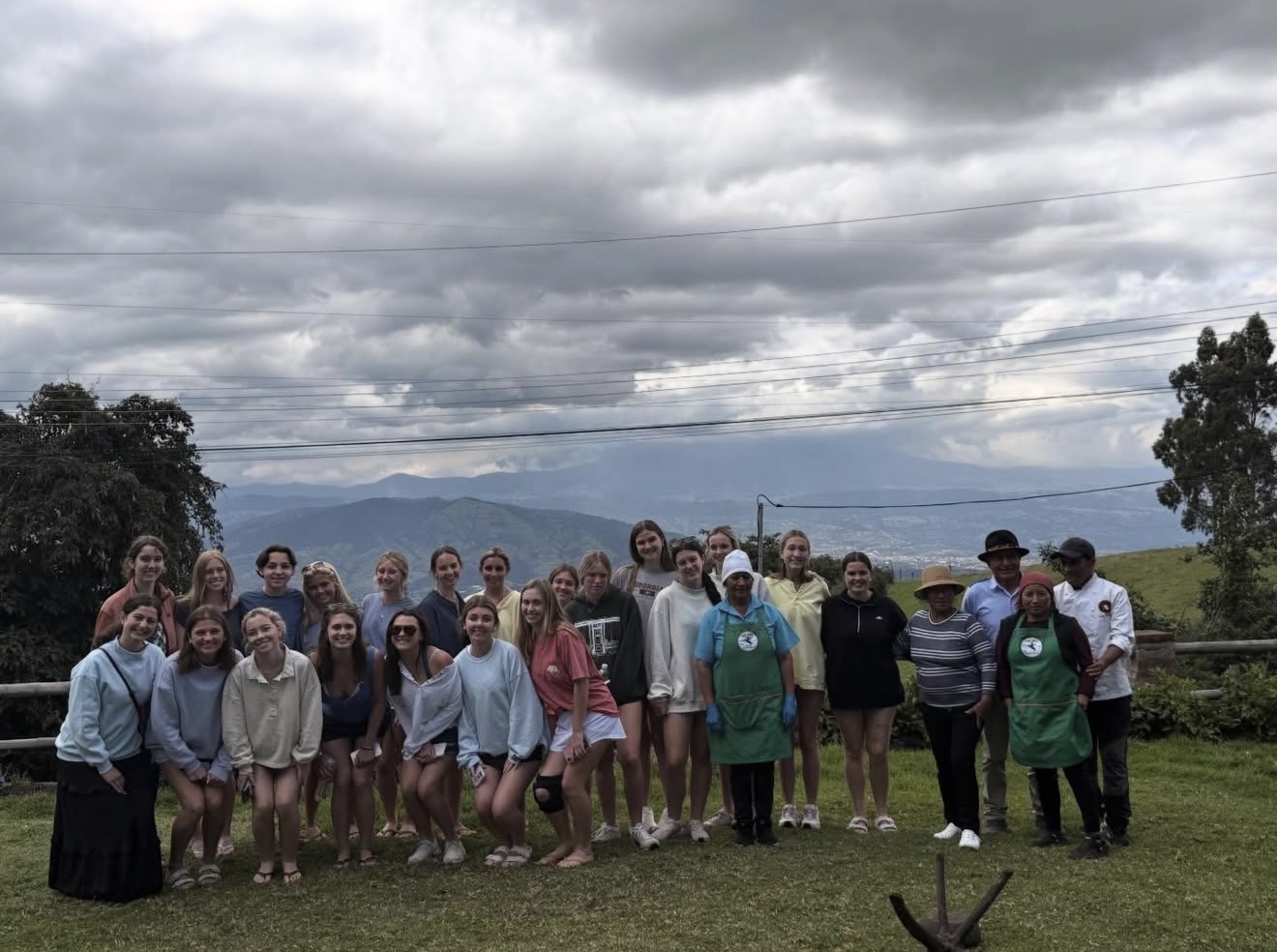
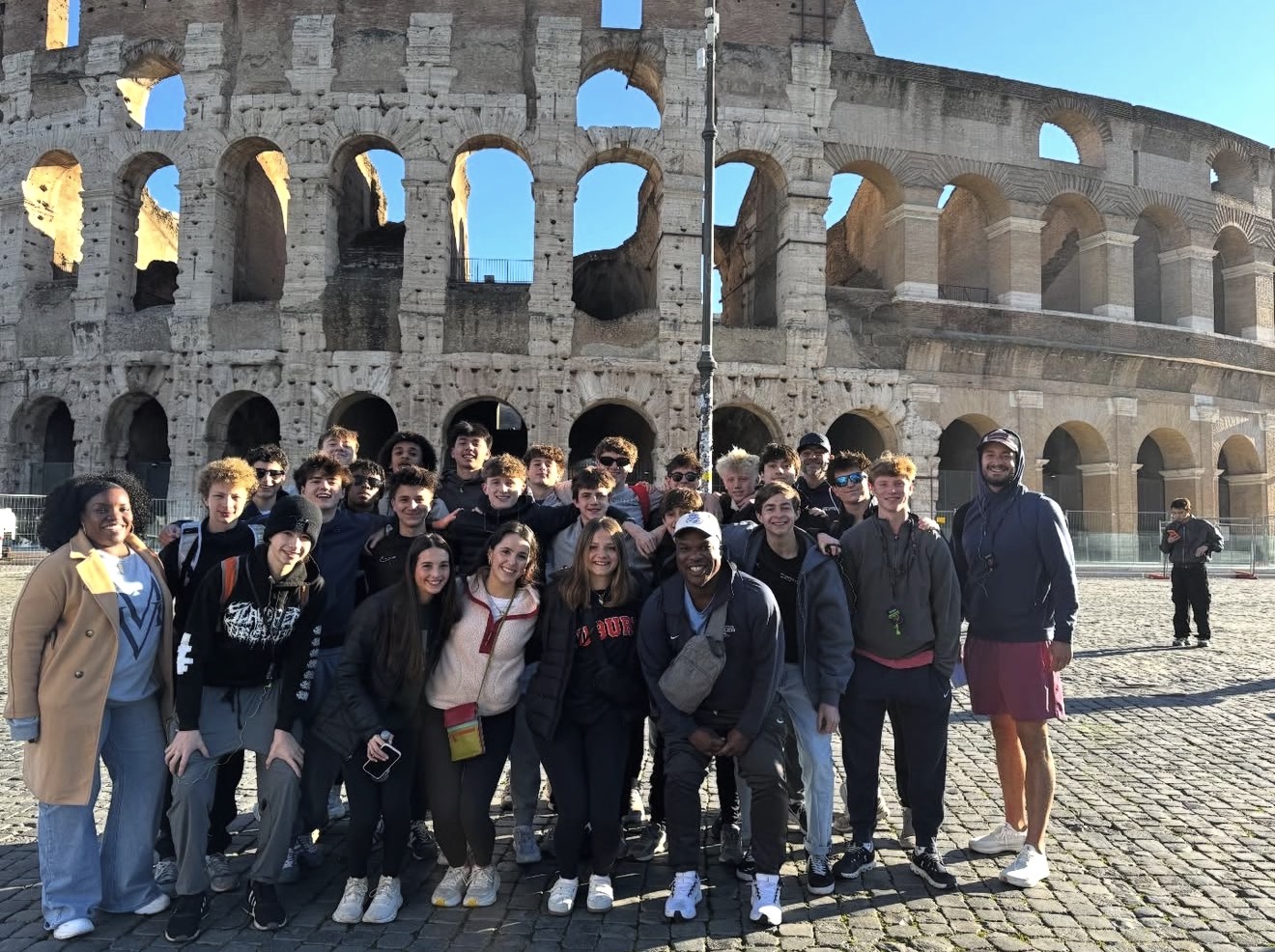
Drawing from her own experience as a student, Hudgens helped younger learners see what lies ahead.
“I shared my own experiences, from traveling to Peru to participating in internships and service learning,” she said. “There are so many different pathways available to students as they grow at Mount Vernon.”
In those moments, students begin to see what their own journey might look like as they grow, explore, and take on new challenges.
What began as an idea has quickly become a model for what is possible when a school operates as a connected ecosystem. Cross-campus collaboration expanded the reach and meaning of Interim, creating shared experiences that are both relevant and lasting.
From Kindergarteners designing their own countries to Upper School students presenting research from the Galápagos, learning became more visible, more relational, and more real. Most importantly, students experienced what it means to be part of a connected community, one that grows with them every step of the way.