For the past four years, each spring, Grade 6 students step into the role of urban planners through the Future Cities Project-Based Learning (PBL) experience, an immersive, inquiry-driven journey that challenges them to answer a powerful question: How might we design a sustainable city of the future?
This signature Grade 6 experience has evolved into a dynamic, interdisciplinary project that blends research, design thinking, and real-world application. Under the guidance of Humanities teachers Mary Ann Stillerman, Lisa Bijit, and Jeff Frantal, along with the Grade 6 team, students are not only imagining the future, they are actively designing it.
Learning Through Discovery
This year’s approach introduces a new layer of depth and intentionality. Students begin in specialized research teams, diving into the three pillars of sustainability: environment, society, and economy, focusing on:
- Architecture & Agriculture
- Energy & Transportation
- Water, Waste Management & Green Spaces
Through curated resources, inquiry routines, and guided questioning, students build foundational knowledge before taking their learning beyond campus through a series of expeditions.
These experiences are more than field trips; they are opportunities to engage directly with experts and environments that are shaping sustainable innovation today.
- In Midtown Atlanta, students met with urban planners from the Midtown Alliance, exploring how energy and transportation systems are evolving in a growing city.
- Within the Office of Sustainability at Kennesaw State University, G6 students partnered with Living Learning Lab Program Manager Lauren Hughes, Engagement Coordinator DaJawn Williams, and an architecture student Madison Wall, to explore food forests and urban agriculture systems through a design sprint.
- Students worked with Liberti Gates, an Environmental Education Coordinator for the City of Roswell, who led them through a recycling center, water treatment facilities, and riverfront parks in the midst of redesign, where they witnessed sustainability in action.

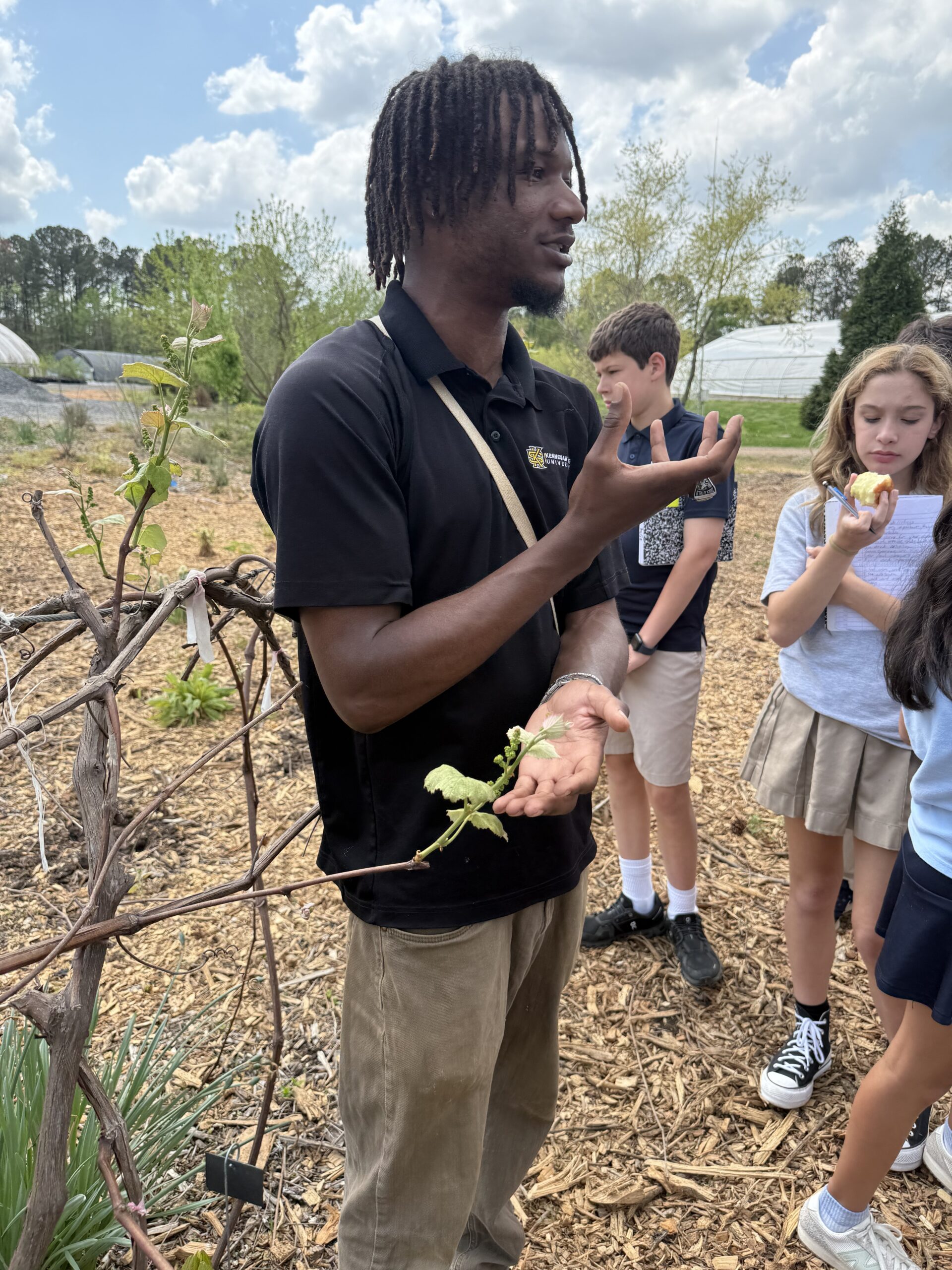
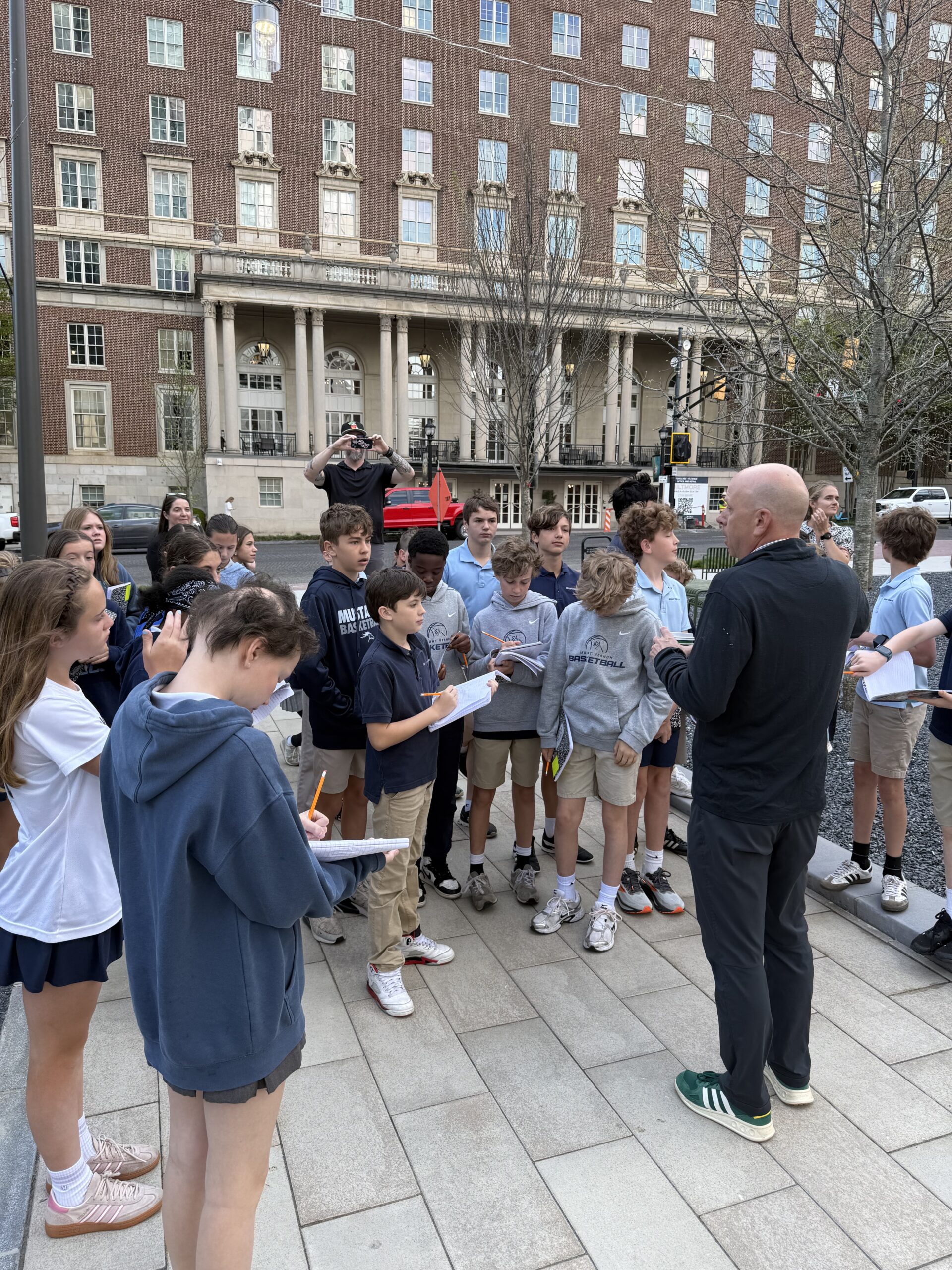

“These expeditions deepen the experience,” shares Stillerman. “Students aren’t just learning about problems—they’re seeing them, questioning them, and beginning to design real solutions.”
From Research to Design
After the discovery phase, students transition into design teams, where collaboration becomes the cornerstone of innovation. Each student brings expertise from their research team, teaching peers, and advocating for ideas that will shape their collective city.
Using tools such as the Innovator’s Compass and the Iceberg Model, students center their work on a critical principle: designing for people.
“They start to realize everything is connected,” says Stillerman. “A student focused on agriculture begins to see its relationship to green space, or transportation, or energy. Those ‘light bulb’ moments are where the real learning happens.”


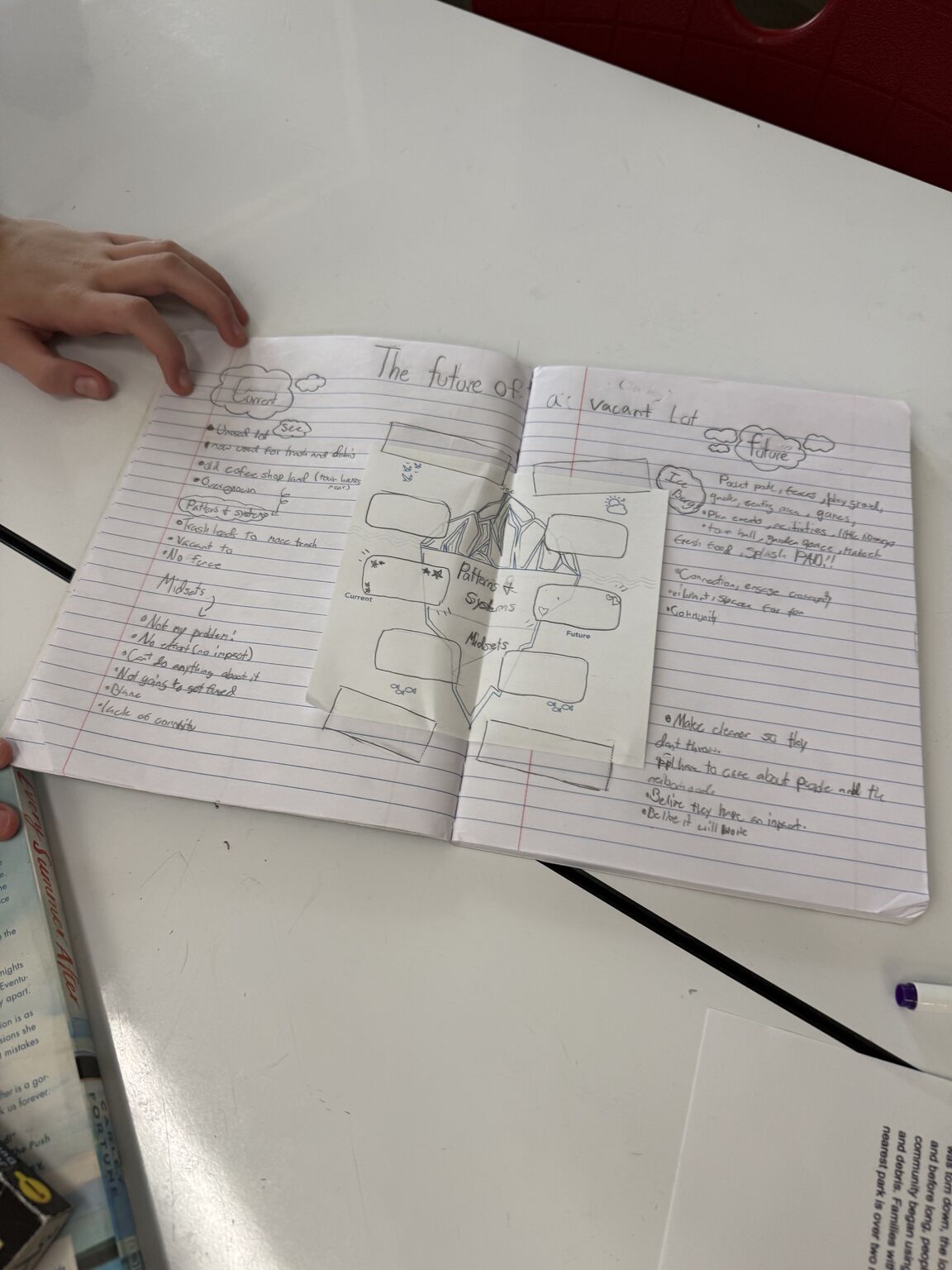
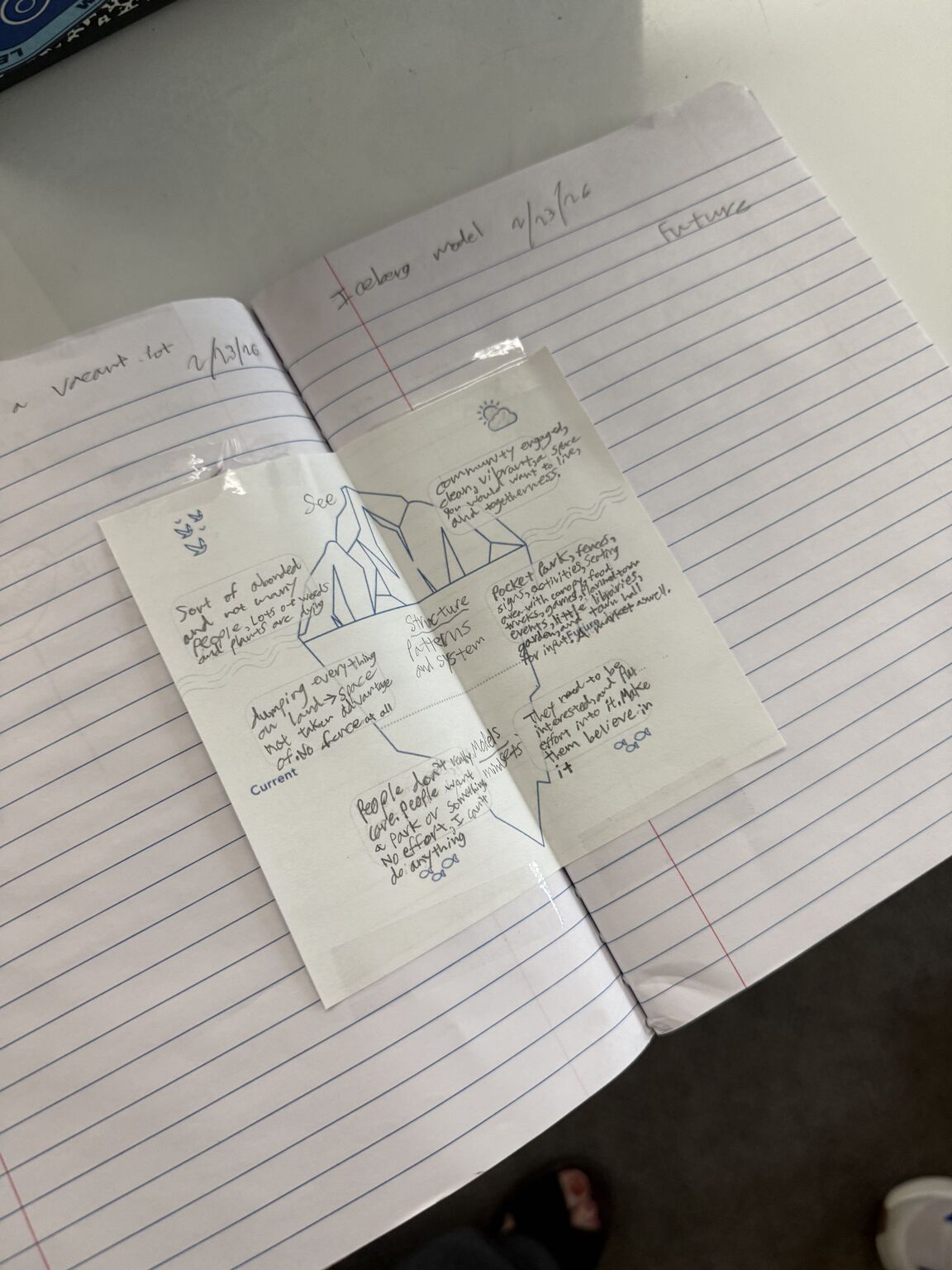
Teams then create large-scale city blueprints, modeled after the size and scope of Sandy Springs, before developing prototypes of key features. Whether through physical models, digital platforms like Minecraft Education or Tinkercad, or coded designs with micro:bit sensors and LEDs, students bring their ideas to life in tangible ways.
Building Skills That Matter
While the final product is impressive, the process is where transformation occurs. Students practice:
- Collaboration and consensus-building
- Critical thinking and systems analysis
- Empathy and human-centered design
- Creative problem-solving and innovation
Before each work session, students adopt a new mindset, declaring: “I am an urban planner.” It’s a simple phrase that reframes their role and their responsibility.
“They learn to anchor their decisions in what matters most,” Stillerman explains. “Who are we designing for? What do people need? That’s what guides their work.”
A Celebration of Innovation
The journey culminates in the Mock Future City Summit on May 18, where students will present their designs, prototypes, and vision for a more sustainable future to a panel of experts.
What began as a classroom idea has grown into a defining Mount Vernon experience, one that continues to evolve, deepen, and inspire.
“This project pulls together everything they’ve learned all year,” says Stillerman. “It’s where content meets creativity, and where students realize the impact they can have.”
As we celebrate Earth Day, Mount Vernon’s Grade 6 students remind us that the future isn’t something we wait for; it’s something we design.