What happens when Interim is given more time, more intention, and real-world purpose?
The concept of the “Traveling Classroom” is redefining what Interim can be, transforming it from a single week into a sustained, for-credit learning experience that blends academic depth, empathy, and authentic problem-solving. This year, that evolution came to life through a new Upper School Core experience led by Lynn Luster, Learning Architect for the Upper School, and Catherine Altamirano, Upper School Maker teacher.
From Interim Week to a Traveling Classroom
“This is our second attempt at offering a credit option connected to Interim,” Luster explained. Last year, Mount Vernon piloted a for-credit curriculum tied to the Galápagos trip, allowing students to opt into elective coursework aligned with their travel experience.
“That elective credit gives students flexibility,” Luster said. “Whether they need more freedom later for internships, global learning, or just want additional choice in senior year, it opens doors.”
This year, while Galápagos returned as a Traveling Classroom option, Luster wanted to bring the same depth and intentional design to students remaining on campus. The result was Housing Atlanta: Industrial Design, a Core experience spanning three academic modules that culminates during Interim.
“It spans three mods,” she said. “That runway allows students to really dig into the work instead of rushing toward a product.”
Designing With Purpose
Housing Atlanta blends industrial design, architecture, and social impact, asking students to engage with Atlanta’s housing crisis through both head and heart.
“I always imagine a course as one giant project-based learning experience,” Luster said. “The whole thing is the project.”
The experience begins with an intentional entry event, an essential component of Mount Vernon’s project-based learning approach. Early in Mod 2, students visited a tiny house in Kirkwood that Luster co-designed with an architect.
“Entry events should spark curiosity,” she explained. “Students could immediately imagine themselves in that space.”
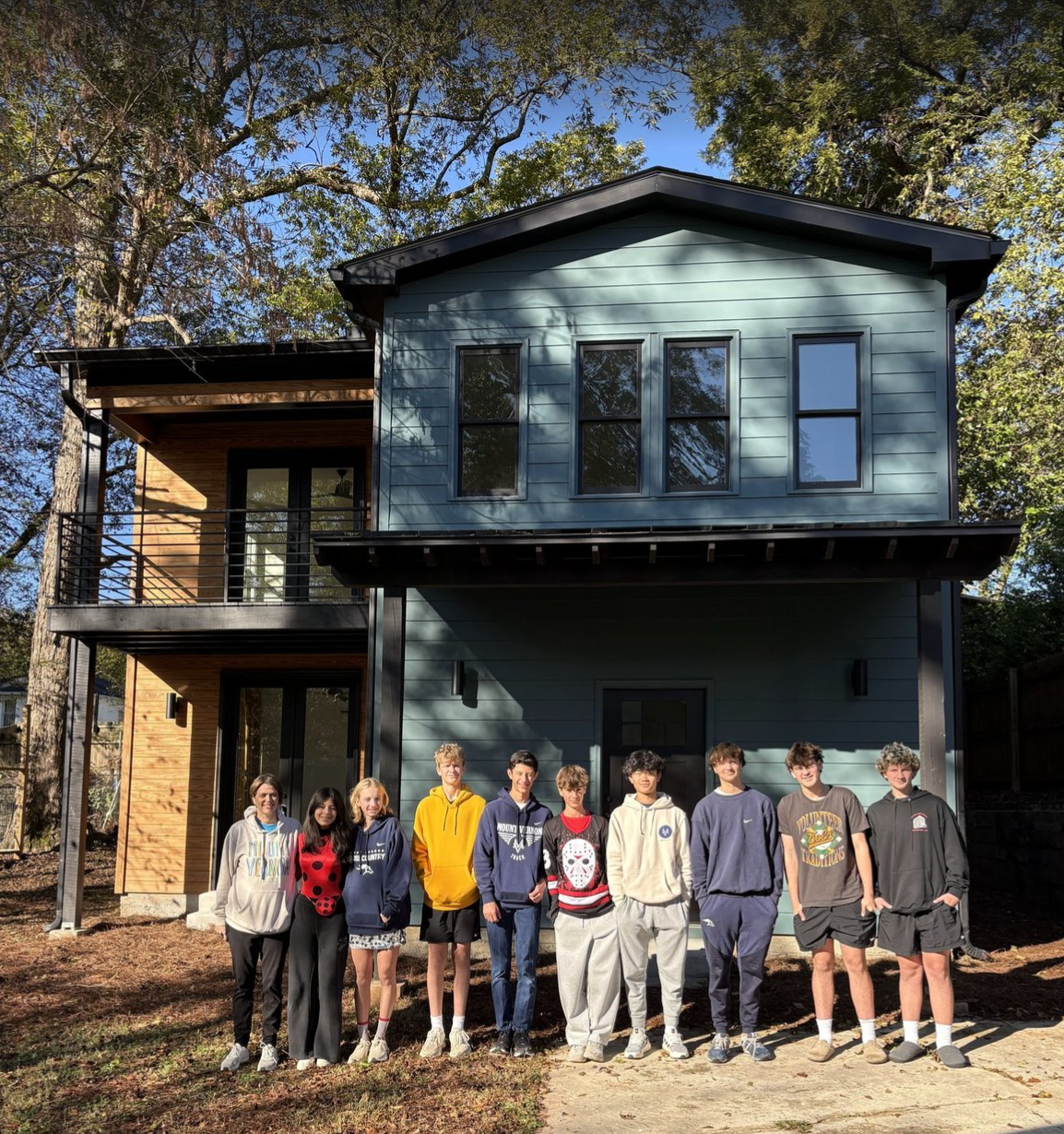
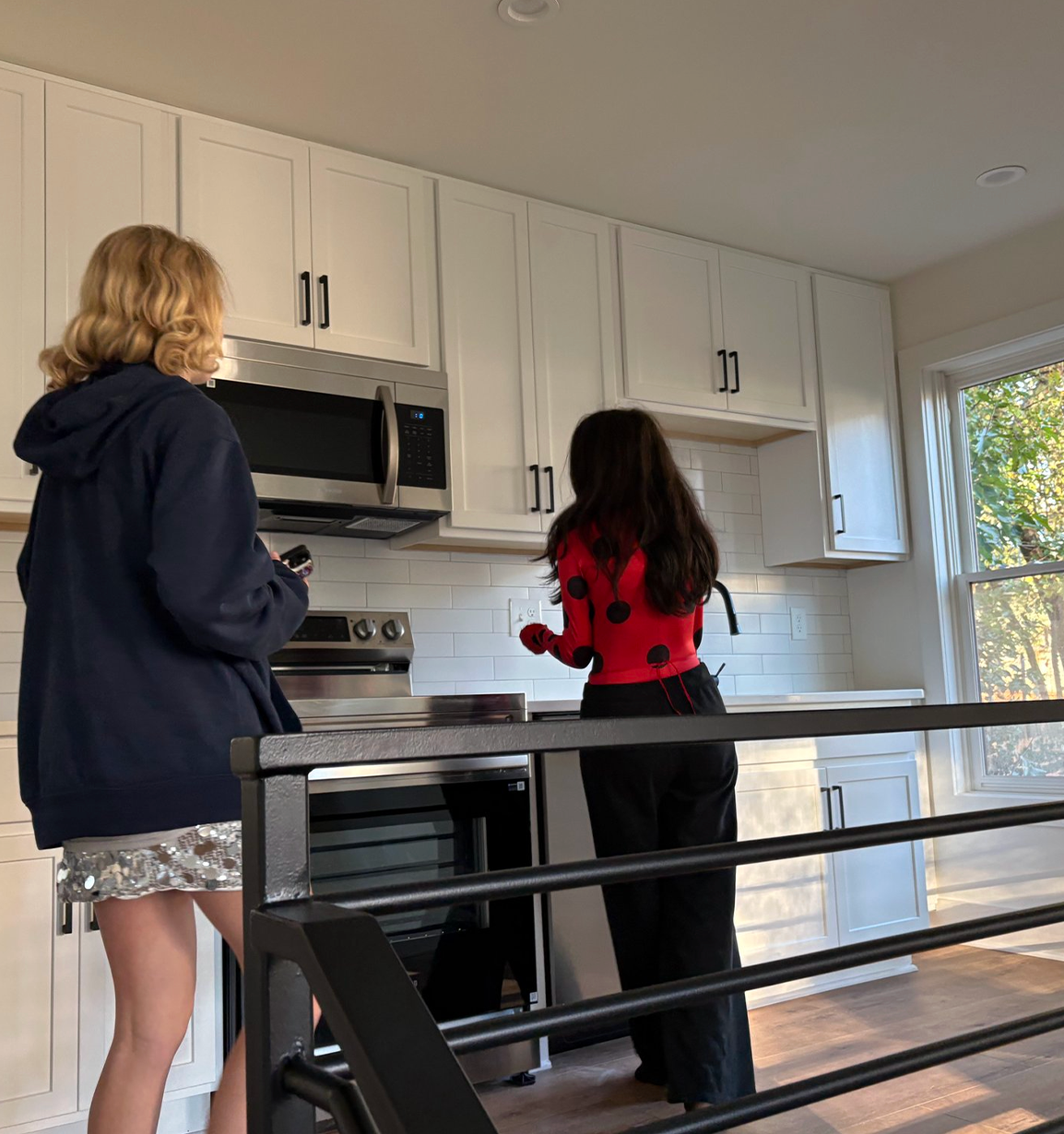
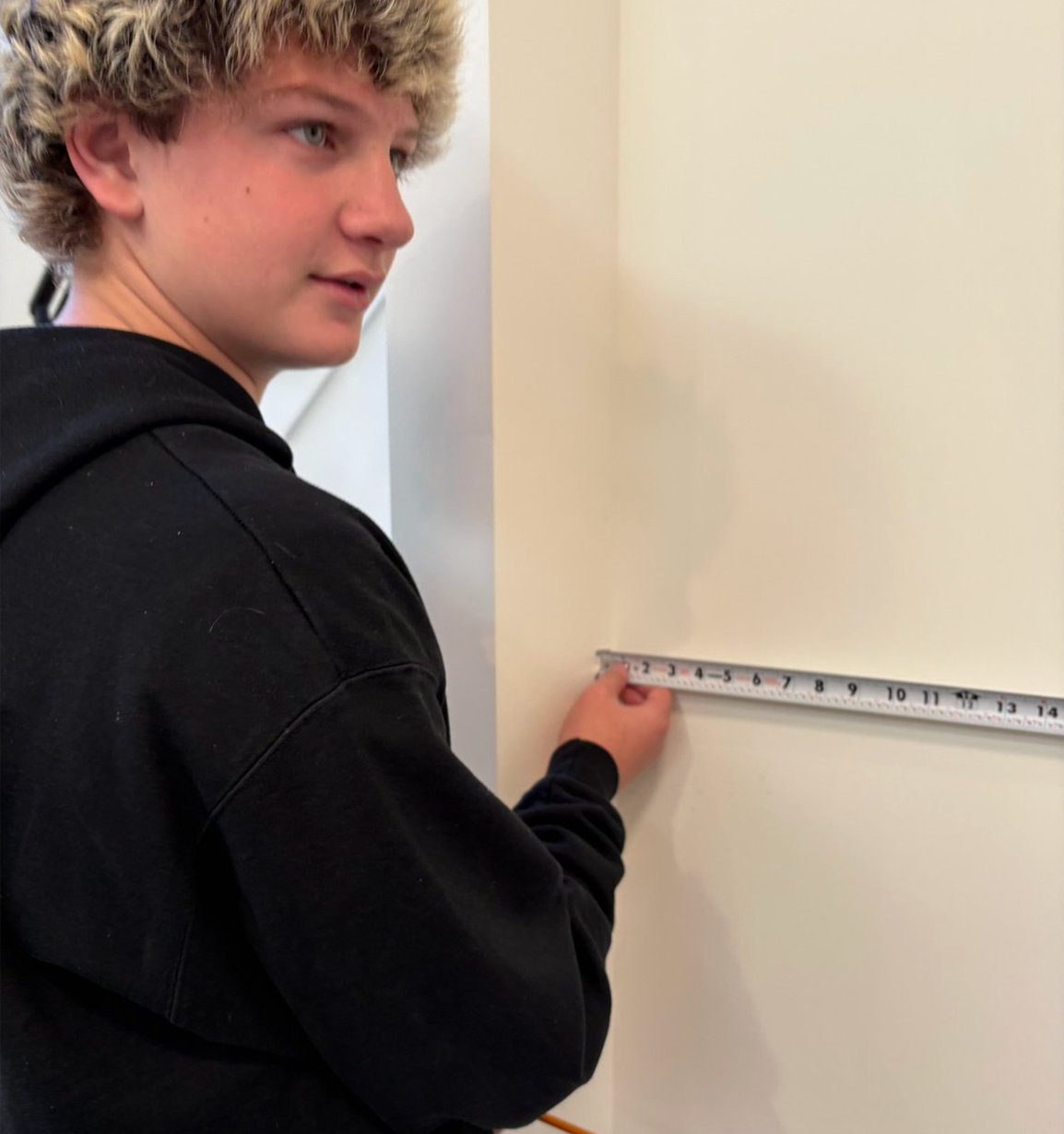
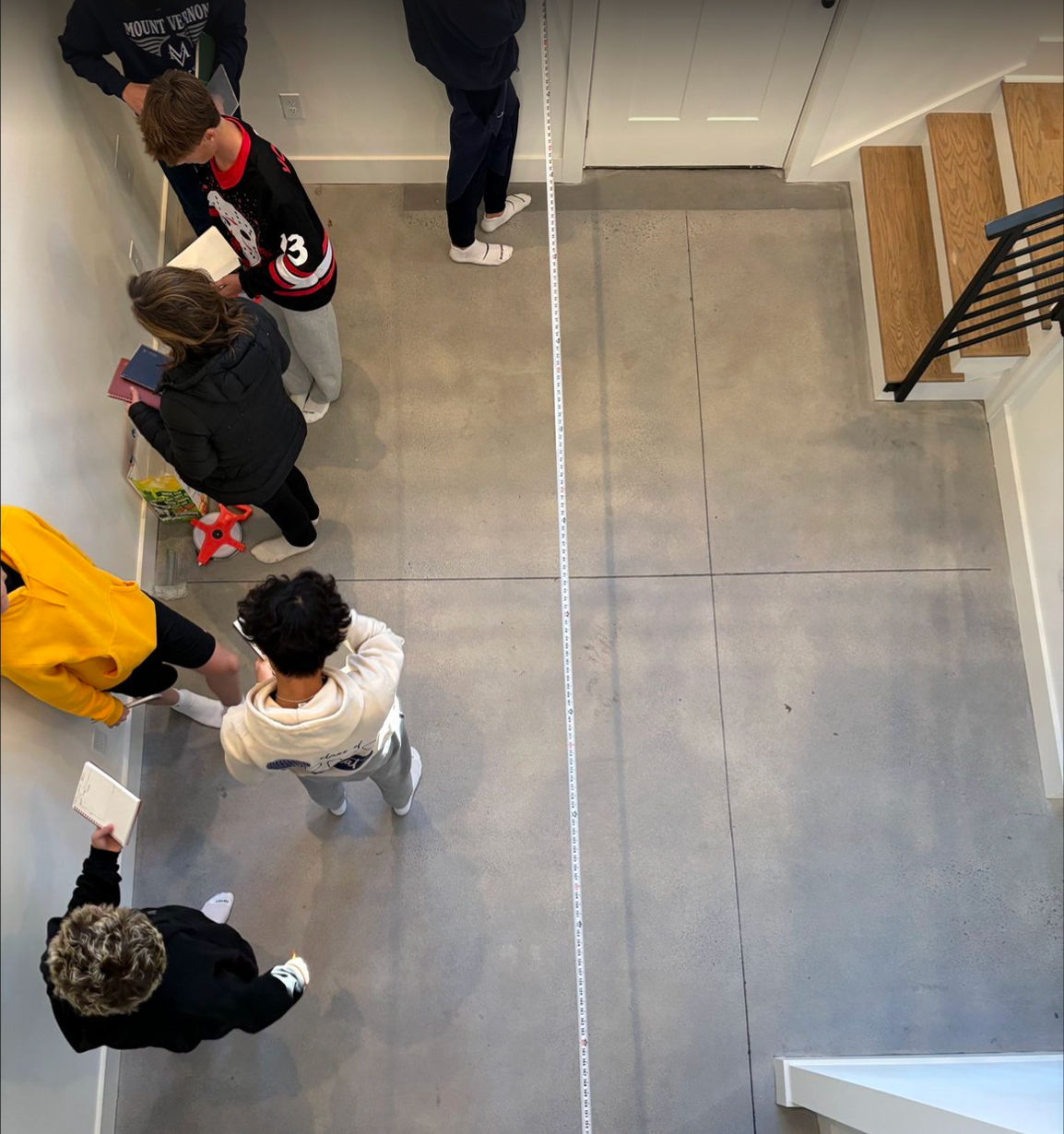
But the visit also provided critical context. Standing among newly built homes, students heard stories of gentrification, displacement, and long-time residents priced out of their neighborhoods.
“I wanted them to understand that this cool architectural trend exists in the middle of real human stories,” Luster said.
Students deepened that understanding through the Traveling Classroom’s shared reading, I See You by Terrence Lester, founder of Love Beyond Walls. “It challenges assumptions about homelessness,” Luster said. “Our students responded with a lot of empathy, and a growing sense of responsibility.”
Cross-Campus Collaboration: Grade 9 Meets Grade 2
One of the most powerful elements of the course occurred across campuses.
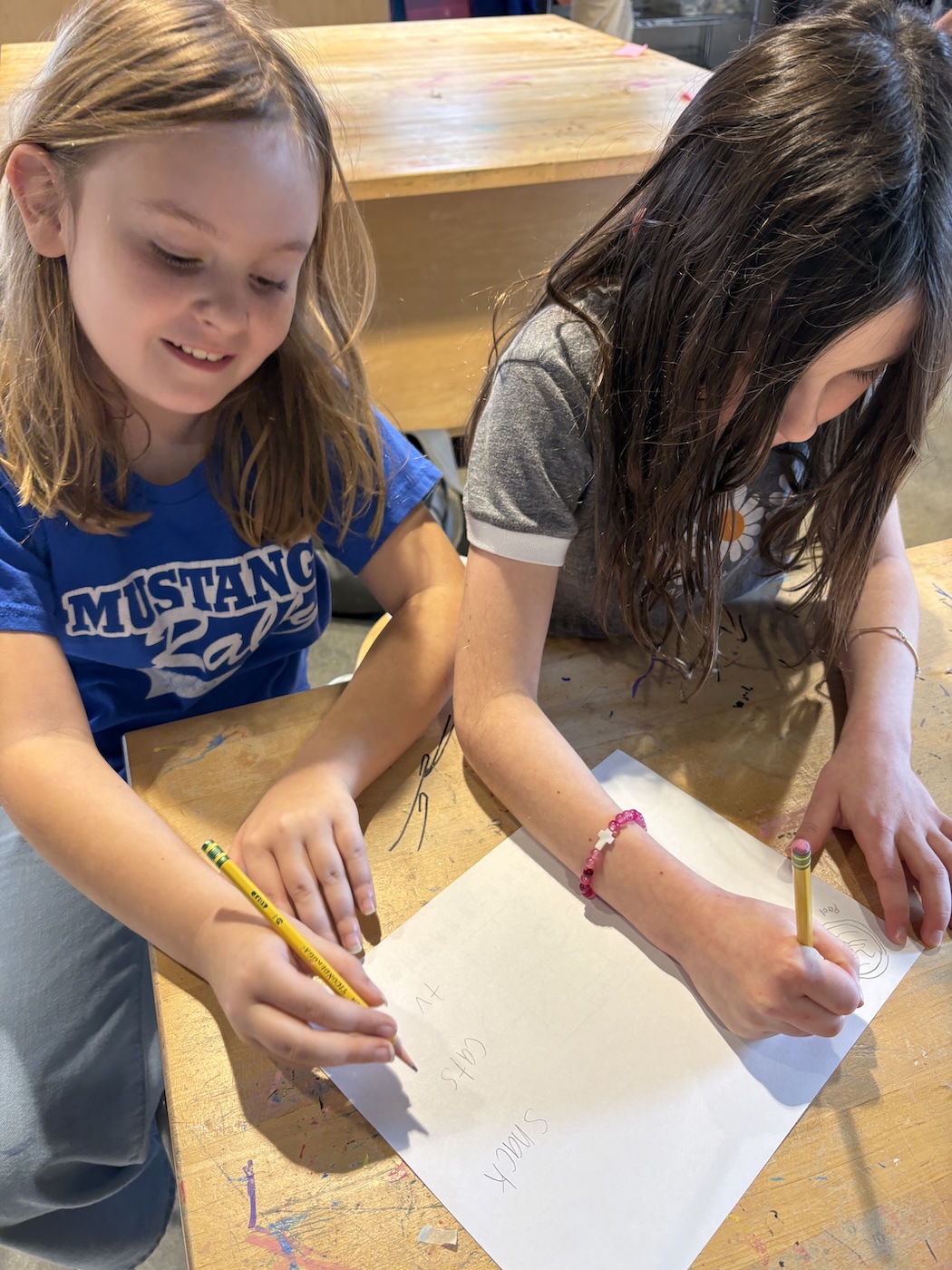
Partnering with Constanza Pizano, Lower School Maker teacher, ninth-grade students collaborated with second graders, who served as their design “clients.” Second graders shared their interests and favorite book characters, and Upper School students designed personalized reading hideouts just for them.
“Our students asked the second graders to be the clients,” Altamirano said. “They had to listen carefully, ask good questions, and design based on real needs.”
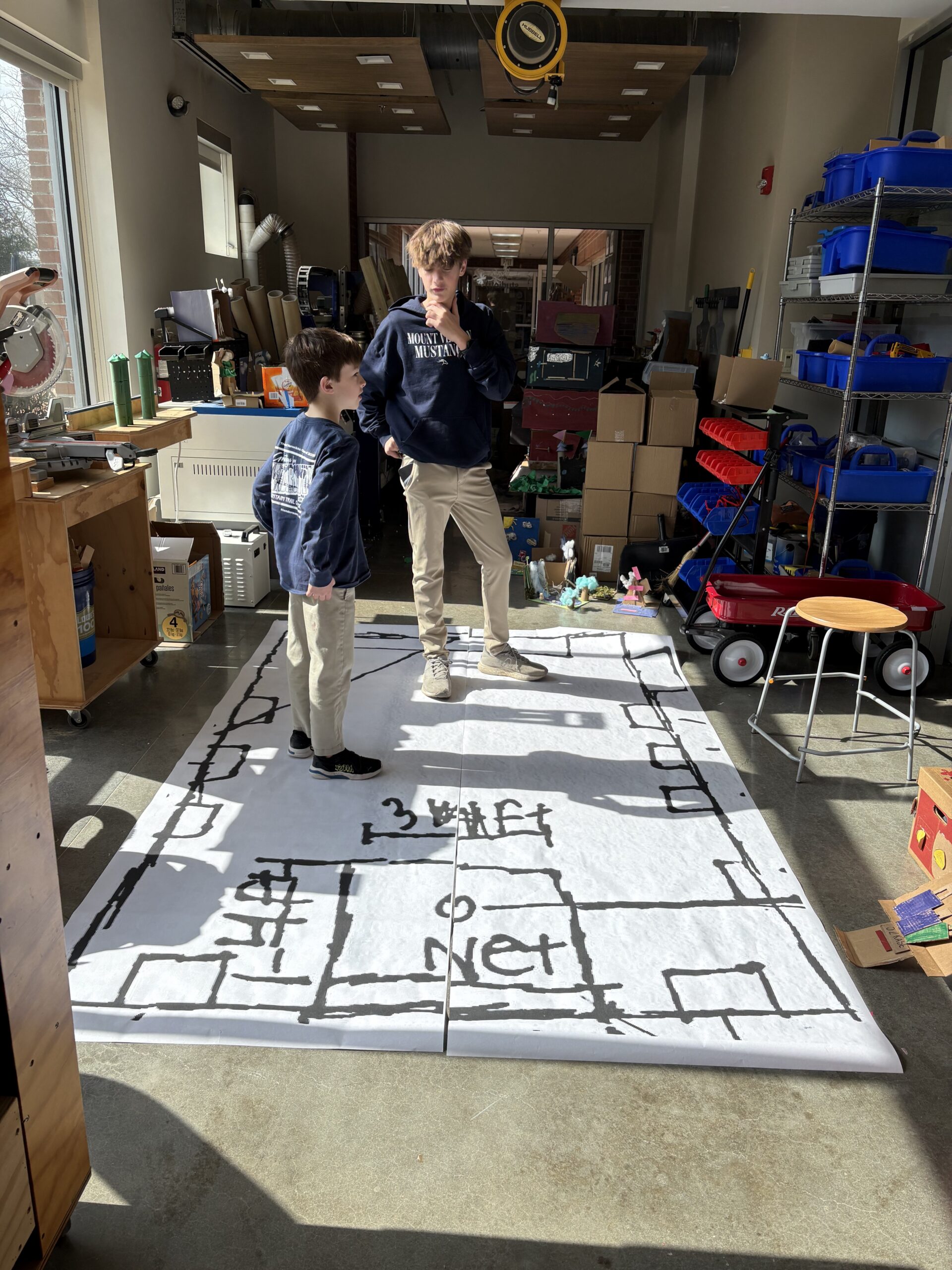
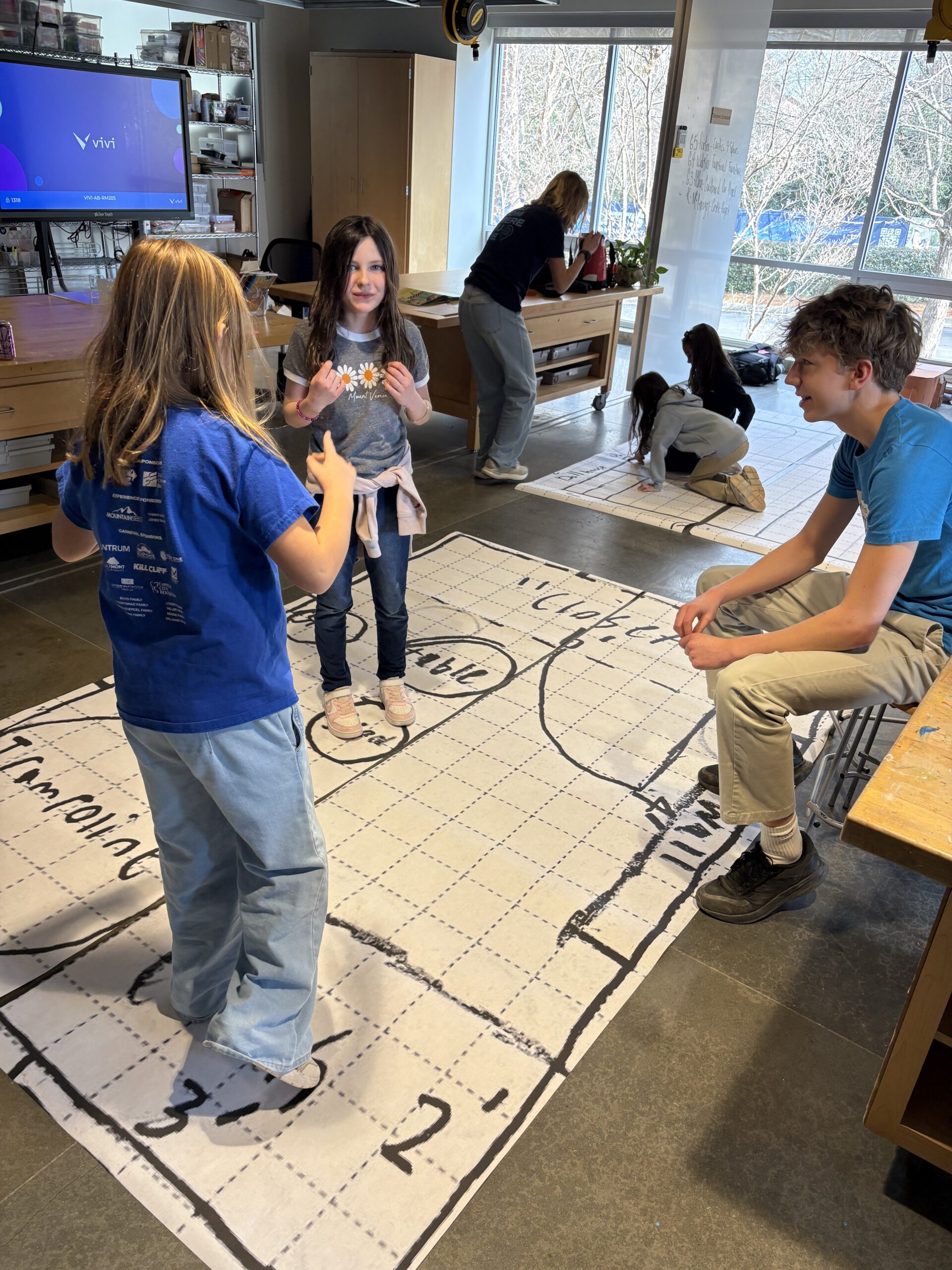
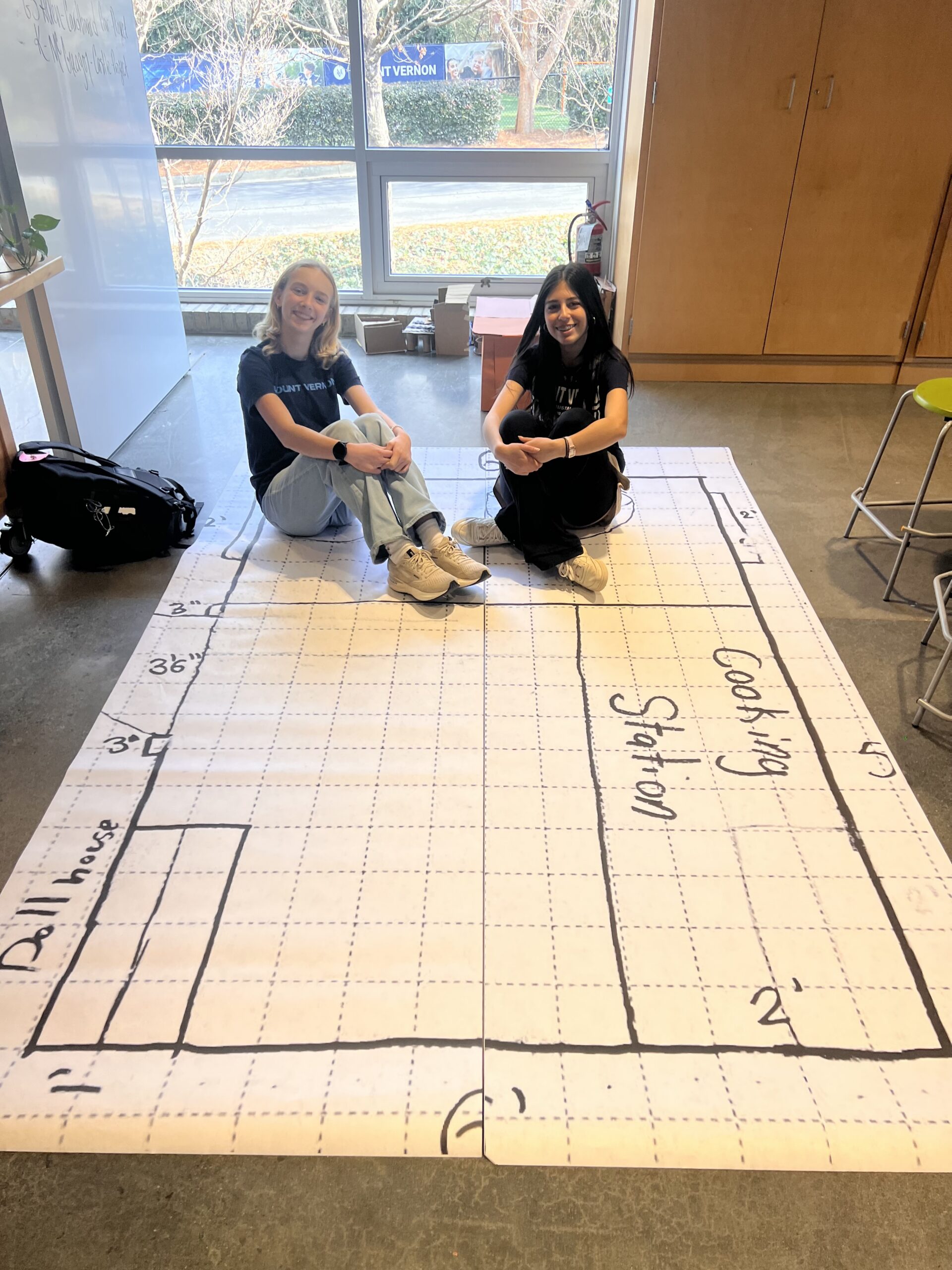
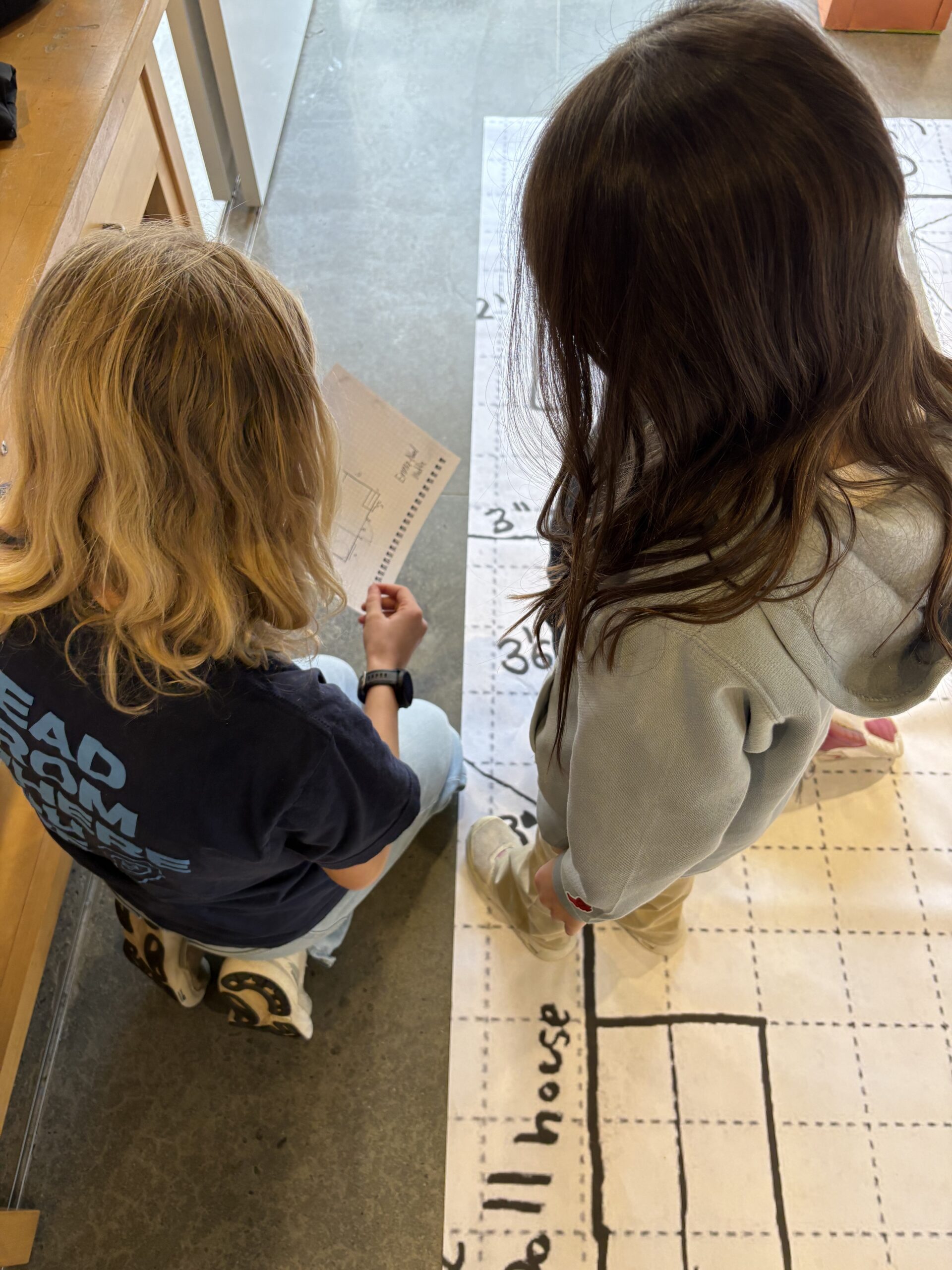
To prepare, ninth graders developed open-ended interview questions and practiced how to engage younger learners meaningfully. The resulting interactions were striking: life-sized floor plans, immediate feedback, and visible excitement on both sides.
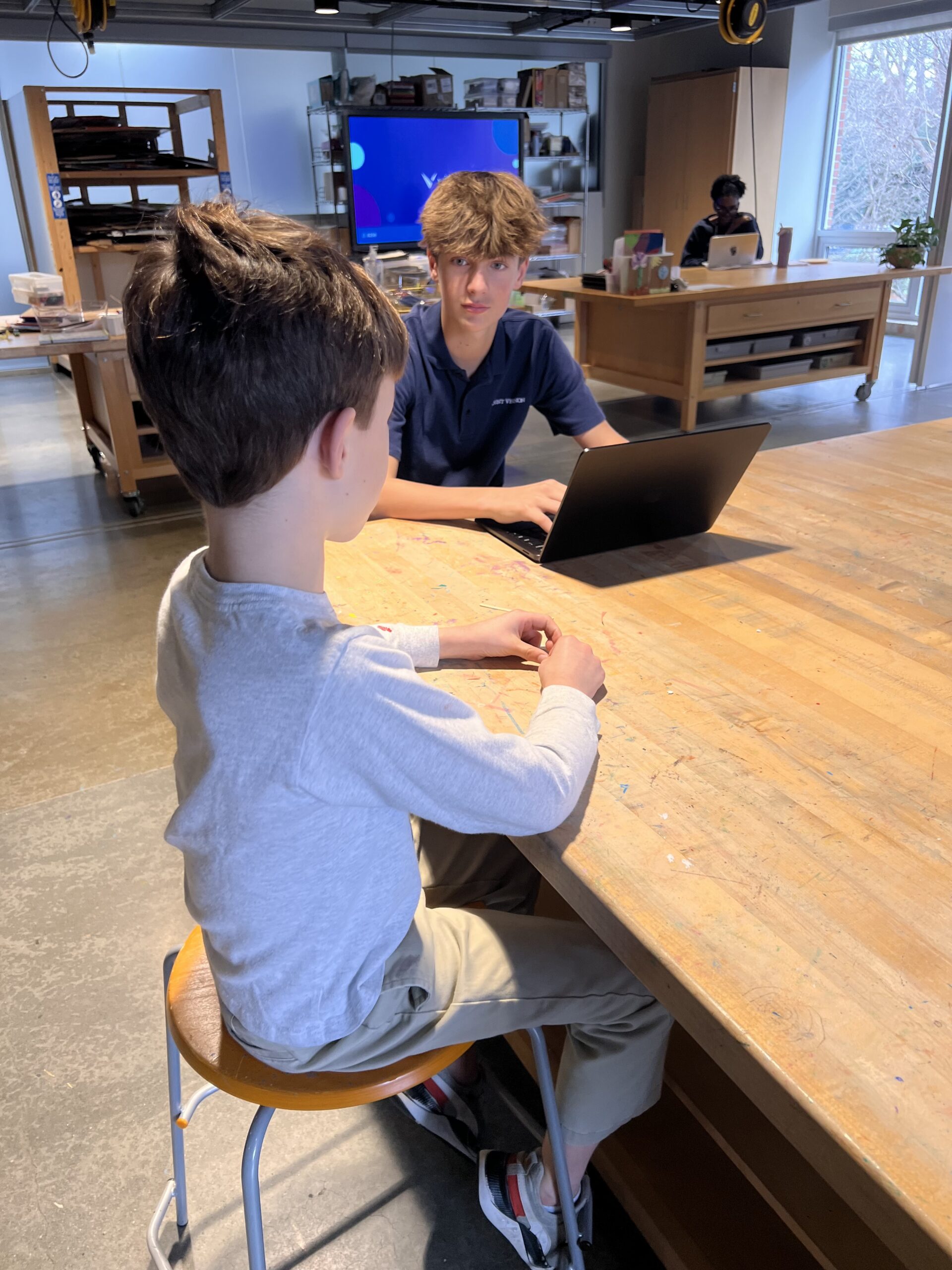
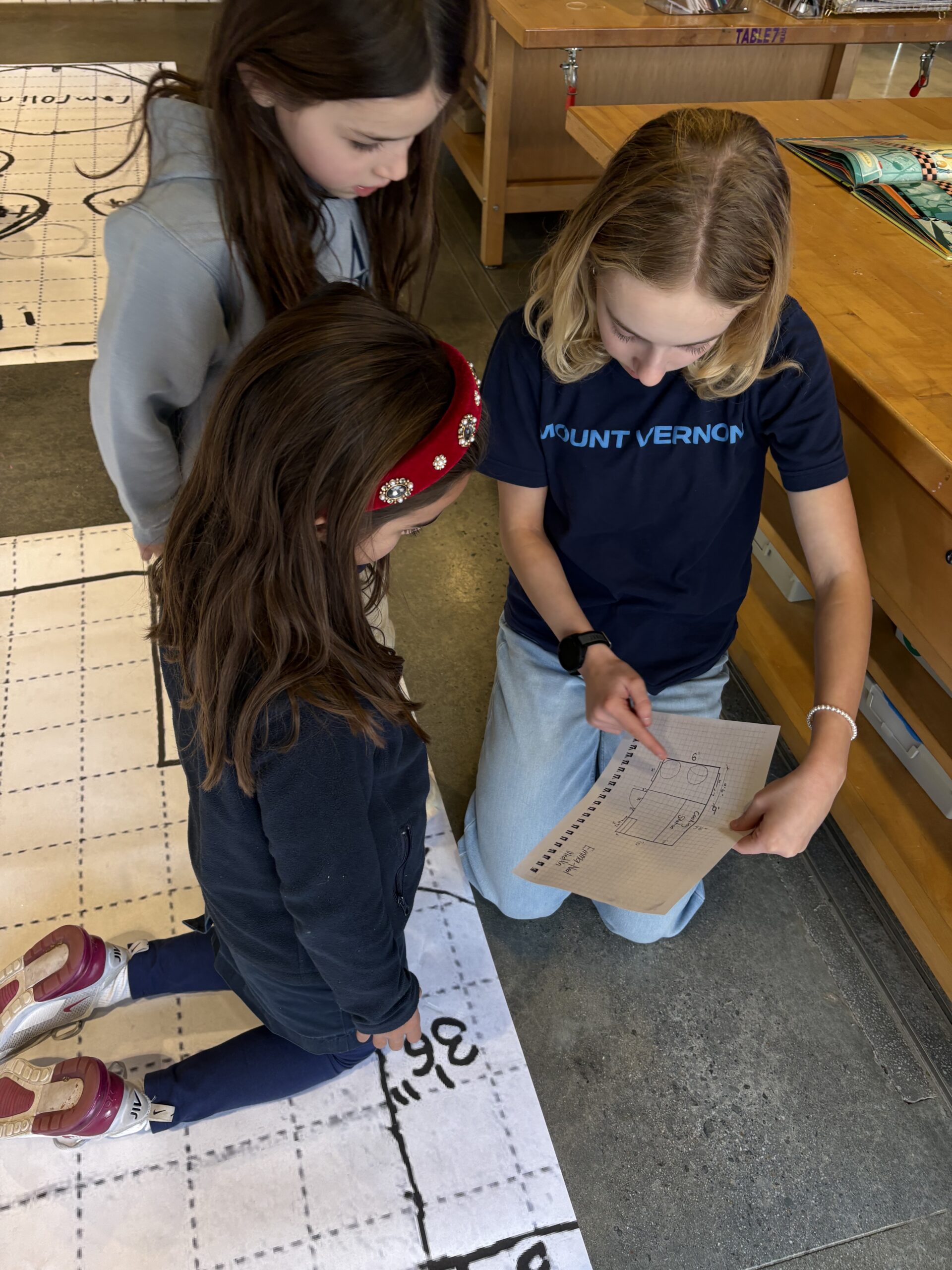

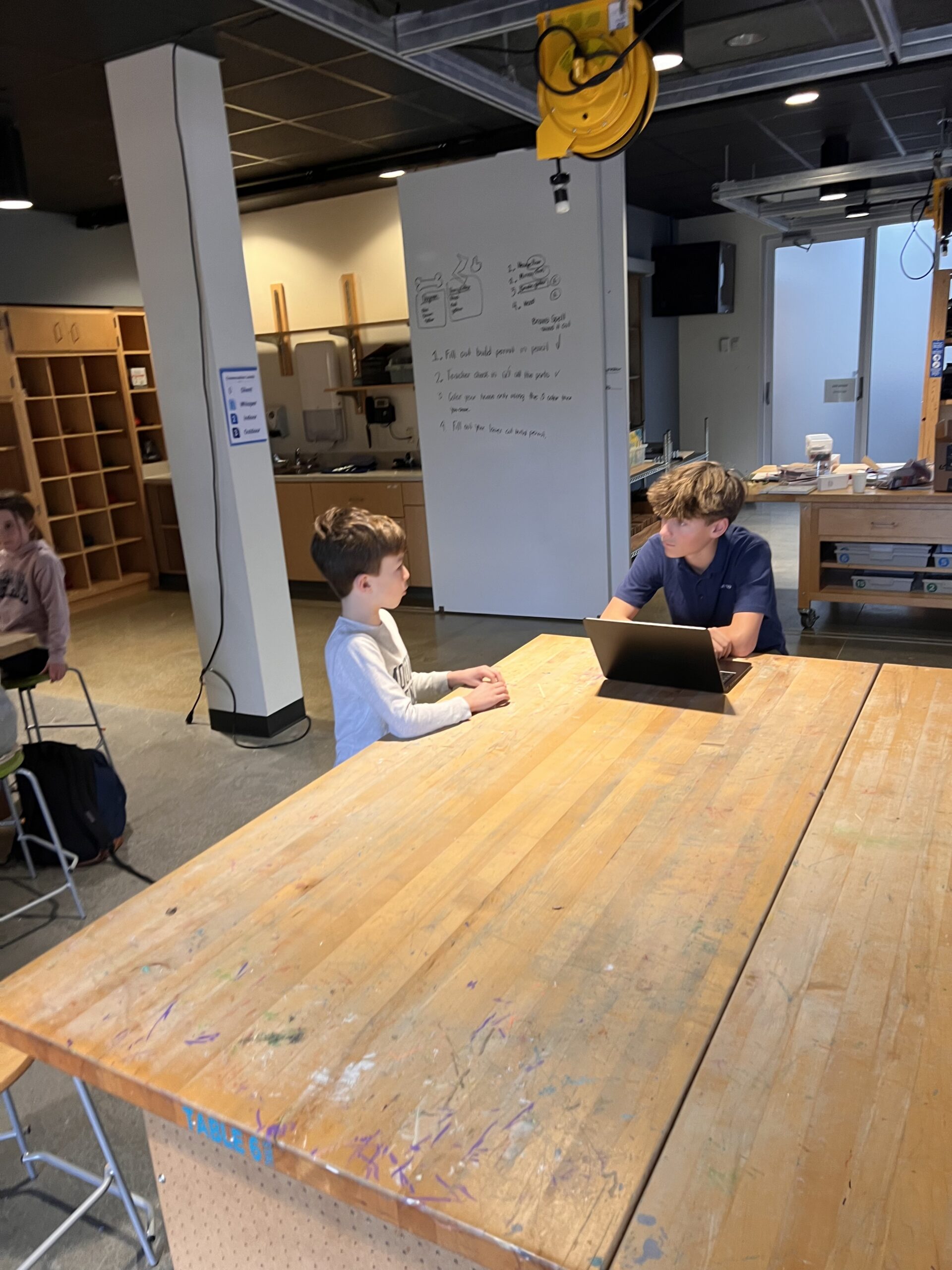
“For second graders in Ms. King’s class, this project made abstract ideas like size, proportion, and scale completely tangible,” Pizano said. “Being able to physically step into the designs and talk directly with Upper School students helped those concepts really stick.”
Altamirano saw the impact on her students as well. “Watching their young users sit inside their designs made everything real,” she said. “They could immediately see how experience and scale matter.”
“Working with second graders has been a memorable experience for me. Recently, we conducted an interview with them and printed out blueprints to full scale. I got to see their faces light up, and that was a moment I’ll never forget.” Emma-Neal Medlin, Class of 2029, shared.
Declan Gallagher, Class of 2029, said, “Working with second graders was such a different experience because the professionalism I was so used to wasn’t there. When interviewing 2nd graders, all of their answers were creative and were solely for the purpose of entertainment or fun. That sense of creativity is something I miss a little, and I am very glad that I found that feeling again through this project/class.”


From Design to Impact
The learning culminates during Core week, when students will build a full-scale shelter in partnership with Mad Housers, an Atlanta-based nonprofit that has spent more than 25 years creating temporary housing as a form of harm reduction.
“We’re working with a professional organization doing real work in the real world,” Luster said. “At the end of this, someone will have a place to go at night. That matters.”
Altamirano emphasized the rarity of full-scale building experiences. “Many architecture students graduate without ever building anything full-size,” she said. “This gives our students a real connection between design and reality.”
Students make authentic design decisions—balancing budget, materials, and insulation—using Mad Housers’ blueprints as a guide. “Those choices become very real when you think about someone sleeping outside,” Altamirano added.
Ace Estenson, Class of 2029, shared, “This experience has impacted me by showing me that work can be fun and exciting while still hard. I have learned that hard work pays off and can be fun throughout the process. Homelessness does not only happen to people who don’t work or don’t care about life. They are just like us. They have emotions and a beating heart. They should be respected just like how we respect one another. They struggle to get off the streets, as many don’t want to hire a person without a car or a home. Just don’t think that they aren’t human, as they don’t have what we have.”
A Glimpse Into the Future of Interim
For both educators, Housing Atlanta represents the direction Mount Vernon is headed.
“We’re moving toward greater depth of inquiry across all pathways,” Altamirano said. “Sustained time with the course project changes what’s possible.”
As the Traveling Classroom continues to grow, experiences like this show how Interim can become more than a moment; it can become a meaningful journey.
Students aren’t just earning elective credit. They’re learning to listen, design, and build. And they’re discovering that their learning can make a real difference.
- Alumni
- Athletics
- Global Impact Diploma
- IDEA, Inclusion, Diversity, Equity
- Innovation Diploma
- Inquiry Path
- Interim
- Learn, Serve, Give
- Lower School News
- Maker, Art, and Design
- Middle School News
- MV Online
- MV Ventures
- MVXperts
- Prefects
- Preschool News
- Upper School News
Looking for more stories?
Our first-ever MV Summer Arts Camp was a celebration of creativity, expression, and imagination.
Campers explored theatre, dance, visual arts, maker, design, and music through movement, storytelling, rhythm, set design, stage makeup, scene work, props, costumes, character creation, and collaborative projects.
The week ended with a special performance featuring original artwork, choreography, and songs from Matilda, Peter Pan, Mary Poppins, and Hairspray.
From studio time to the stage, campers created, collaborated, performed, and brought their ideas to life in such meaningful ways.