How Middle School French Connects Language, Inquiry, and Global Learning
In Mount Vernon’s Middle School, world language learning is designed to do more than build vocabulary, it cultivates curiosity, cultural proficiency, and global perspective. Through an inquiry-driven French Food Unit, Grade 8 students explore how language, history, and culture intersect, reflecting Mount Vernon’s commitment to preparing learners to be college ready, globally competitive, and engaged citizen leaders.
Led by French teacher DeShawn Jenkins, the unit uses gastronomy as a powerful entry point into cultural understanding and real-world application.
Starting With Questions
Rather than beginning with memorization, Jenkins launches the unit with student-generated inquiry questions that spark deeper thinking.
“We’re not just learning about food,” Jenkins explains. “We’re learning about history, culture, and grammar. I jump in with the history and culture before we start learning words so students’ thoughts are already rolling.”
Students investigate questions such as why French food is globally celebrated, how gender influences French vocabulary, and how historical events shaped modern restaurant culture. Along the way, they discover surprising insights, including the Austrian origins of iconic pastries and the impact of the French Revolution on dining traditions.


This interdisciplinary approach reflects Mount Vernon’s learning model, where students explore complex ideas through connected experiences that foster meaning and relevance.
As learners examine French gastronomy, they simultaneously reflect on their own cultural norms. Students explore regional food traditions, dining etiquette, meal structure, and the cultural importance of slowing down to share meals. They also examine contemporary shifts, including the rise of fast-food culture in France, challenging assumptions and encouraging nuanced thinking. Food-centered idioms, school lunch practices, and table etiquette further deepen understanding, allowing students to see how language reflects cultural values.
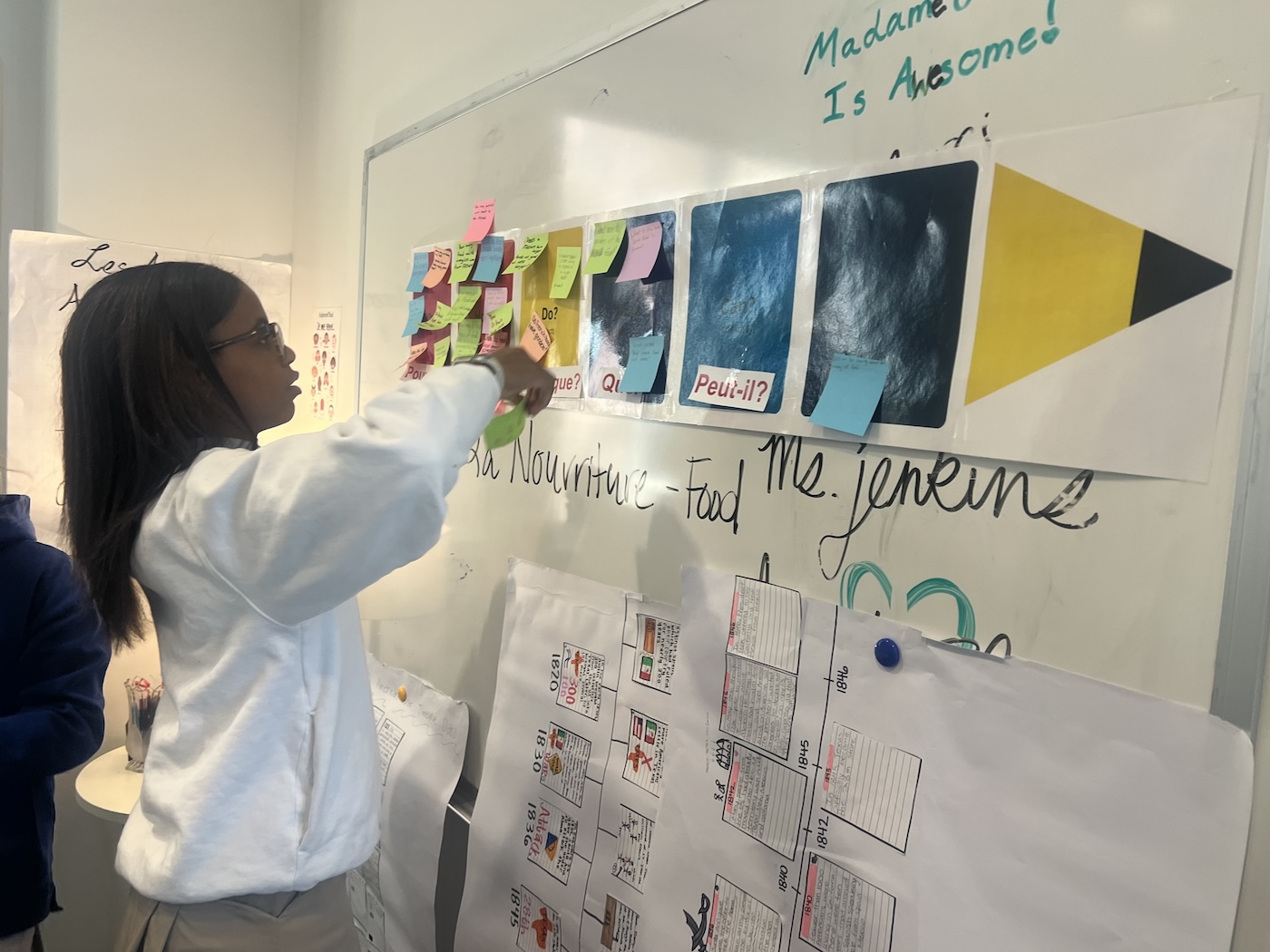
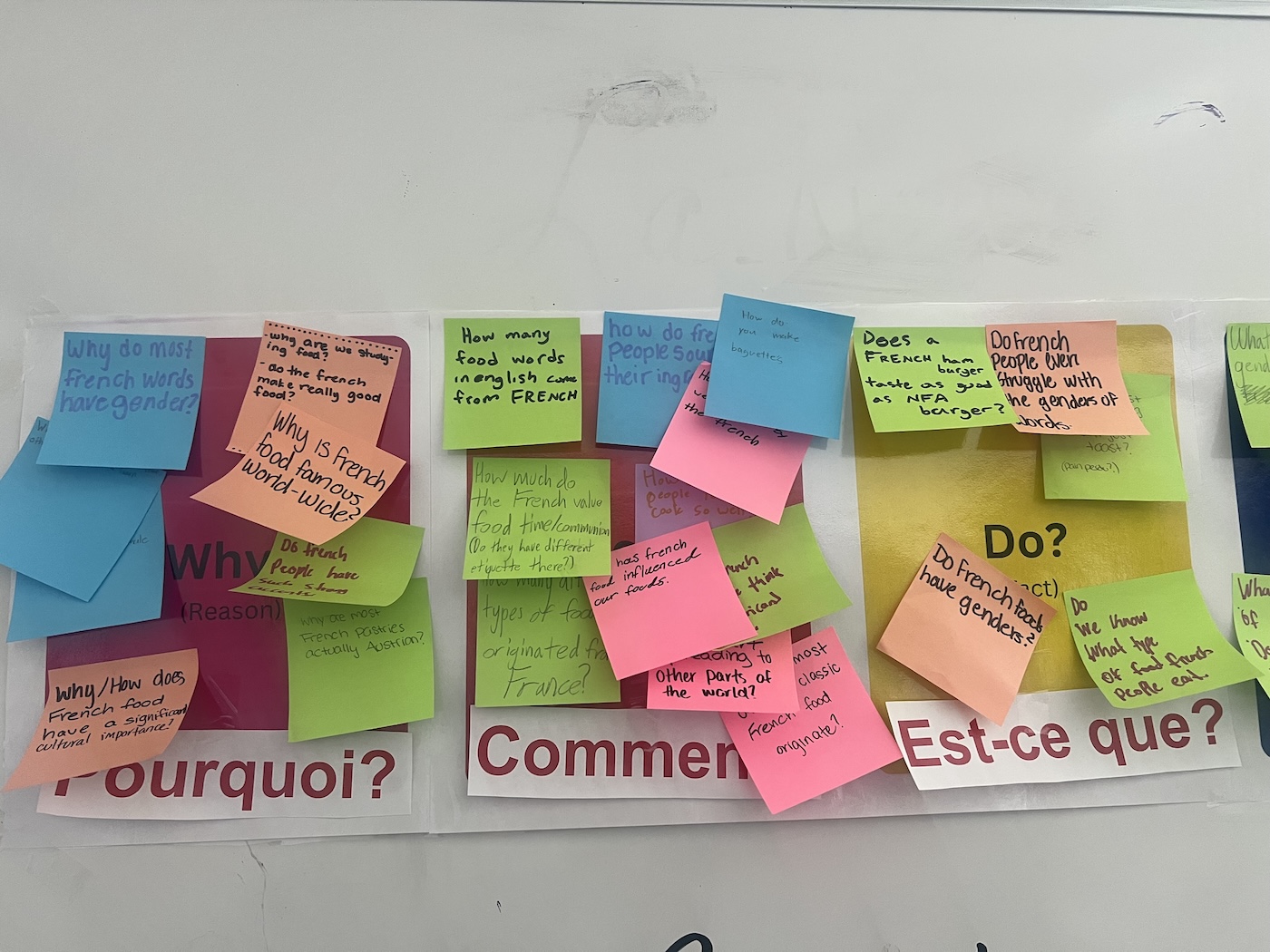
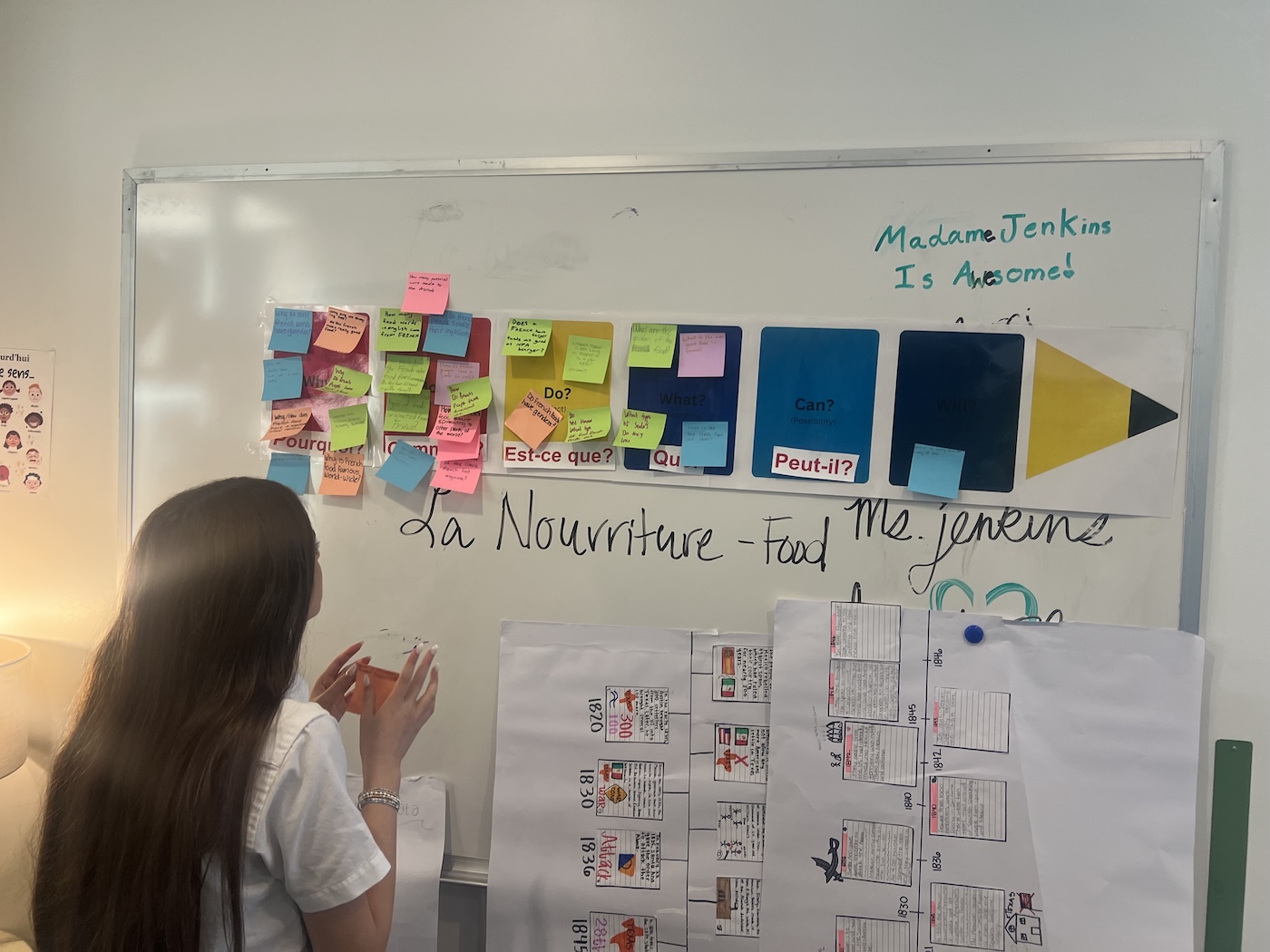
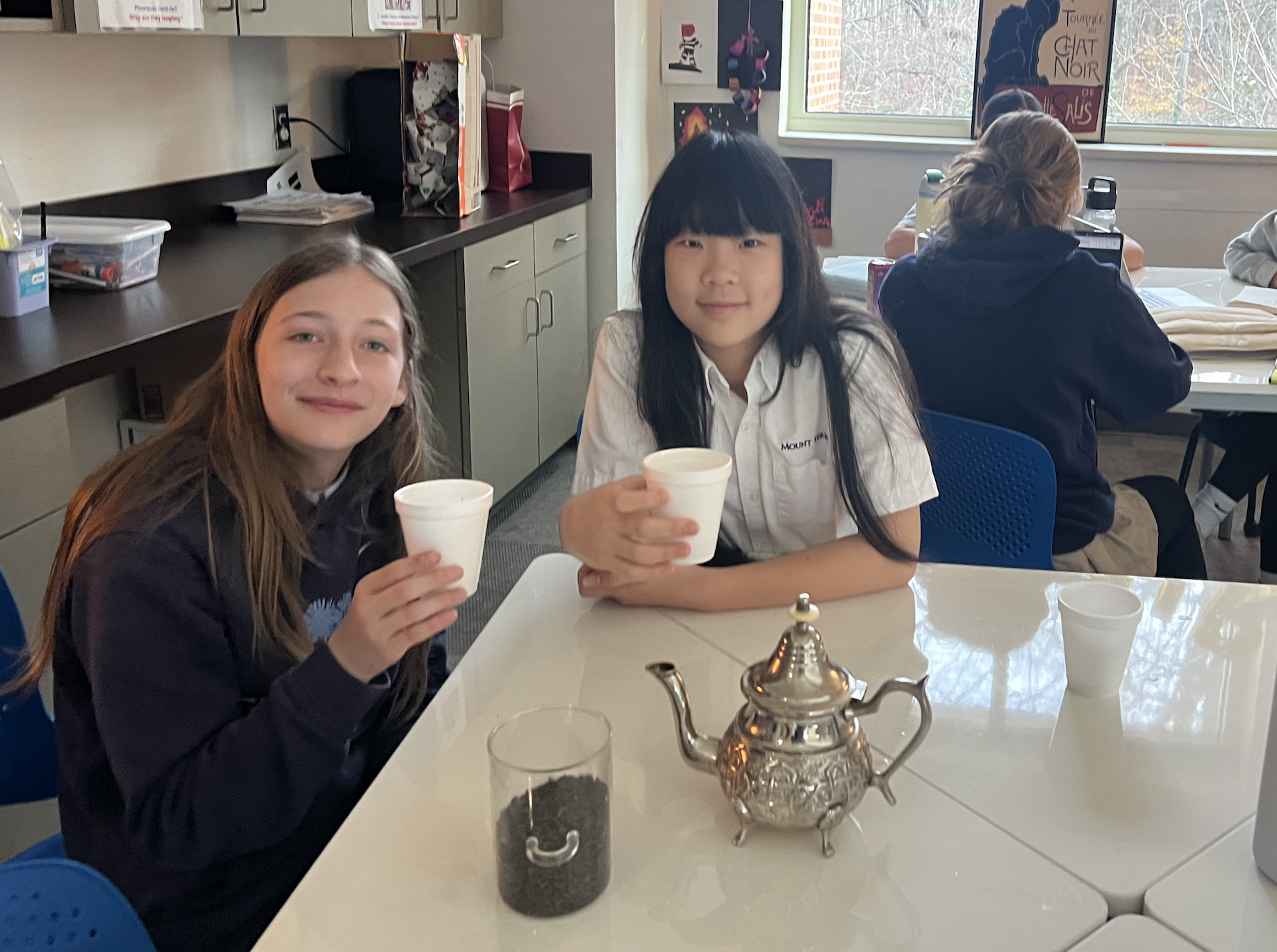
Jenkins believes food provides a natural pathway to cultural competency. “Food is one of the first entryways most people have with culture. It makes learning exciting and helps students see how cultures intersect and influence each other. Food, its ingredients, how it’s prepared, and even how it’s eaten, contains origin stories that speak to learners through smell, taste, and even what they are called. In the French food unit, I incorporate my lived experiences in Europe and Africa to not only spark curiosity but to show relevance and relatability. These experiences could potentially be theirs. We have Moroccan tea ceremonies and discuss the journey of tea from China to the Meghreb, and we eat Senegalese Cheb-bu-gen (rice with fish), which is normally eaten communally around a large bowl and often with hands. Both of these are former French colonies, and their food expresses the diversity, richness, and connectedness of their cultures with France,” she says.
True to Mount Vernon’s expeditionary learning approach, the unit extends into authentic experiences that allow students to apply language skills in real contexts. Planned expeditions include visits to cafés and restaurants where students can observe culinary preparation, interact with native speakers, and order meals in French.
One potential experience explores the French colonial influence in Vietnam through a local restaurant partnership, highlighting how food traditions reveal global connections.
Jenkins emphasizes the broader impact of these cultural intersections, “when you look at food traditions across Senegal, Vietnam, and France, you see how cultures mix and influence each other. The things we take for granted aren’t arbitrary — there’s always a story behind them.”
These experiences reinforce Mount Vernon’s belief that meaningful learning happens when students engage with the world beyond the classroom. Rather than rote repetition, learners explore concepts through context, examining how language structure reflects cultural thinking and why grammatical elements matter in communication.


Jenkins reflects on the shift, “it’s not your traditional rote and repetition class. The goal is to help students think about language, culture, and the world in new ways.”
Technology integration and student-designed learning experiences further personalize the journey, aligning with Mount Vernon’s commitment to innovation and competency-based growth.
Language as a Global Advantage
World language learning also supports Mount Vernon’s focus on future readiness and global competitiveness. Jenkins highlights the strategic value of French in an increasingly interconnected world.
“The world is globalized, and the fastest-growing markets are in Africa, where many countries use French as a primary language. Learning French gives students a competitive advantage.”
By connecting language learning to global markets, cultural awareness, and career opportunities, students begin to see themselves as future leaders capable of navigating international contexts.


Through this work, students are not only developing language skills but also building empathy, perspective, and confidence as global communicators.
As Jenkins notes, “getting students into culture through food makes learning meaningful, and helps them understand the world in a deeper way.”
At Mount Vernon, experiences like this ensure learners graduate with the knowledge, skills, and mindset needed to thrive in college, compete globally, and lead with purpose as engaged citizen leaders.
- Alumni
- Athletics
- Global Impact Diploma
- IDEA, Inclusion, Diversity, Equity
- Innovation Diploma
- Inquiry Path
- Interim
- Learn, Serve, Give
- Lower School News
- Maker, Art, and Design
- Middle School News
- MV Online
- MV Ventures
- MVXperts
- Prefects
- Preschool News
- Upper School News
Looking for more stories?
The Lower School Activities Hall has been completely transformed by our Grade 5 students into an immersive celebration of creativity, collaboration, and student agency. 🎨✨
From wearable art and oversized installations to filmmaking, sound design, set creation, and storytelling, students led every part of this one-of-a-kind fashion and design experience. Working in fashion houses and production teams, they brought bold ideas to life while navigating collaboration, problem-solving, and creative risk-taking together.
More than an art installation, this project became a powerful glimpse into what students can accomplish when given trust, independence, and the space to create with purpose.
Read more at the Campus Stories link in our bio!