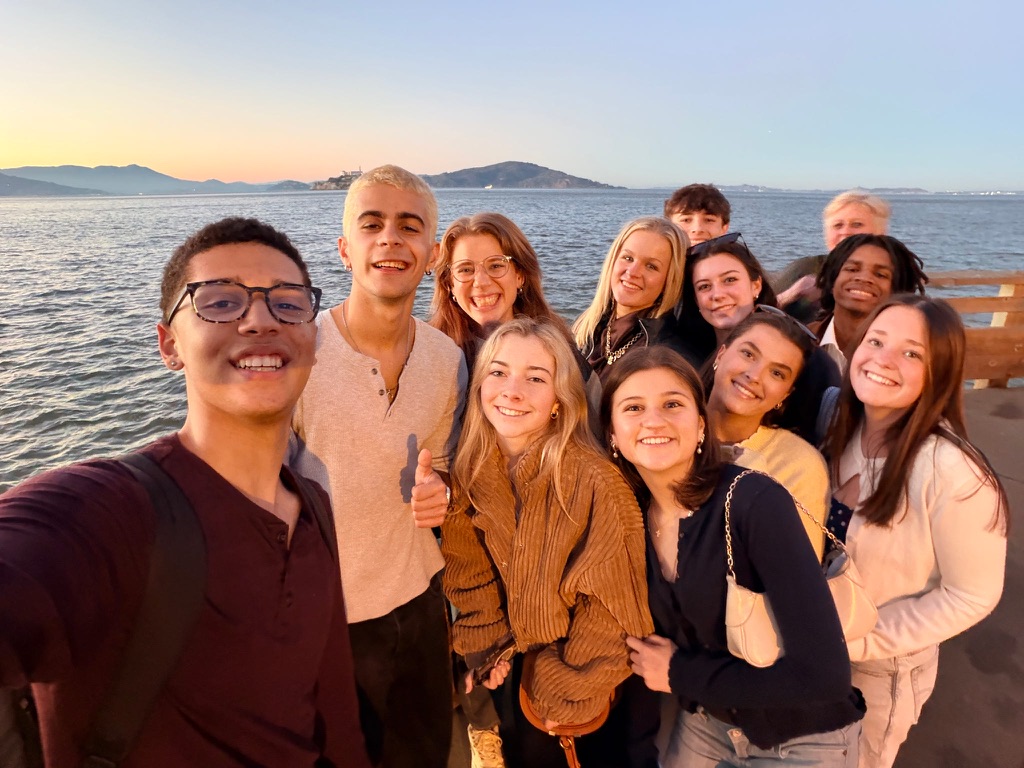
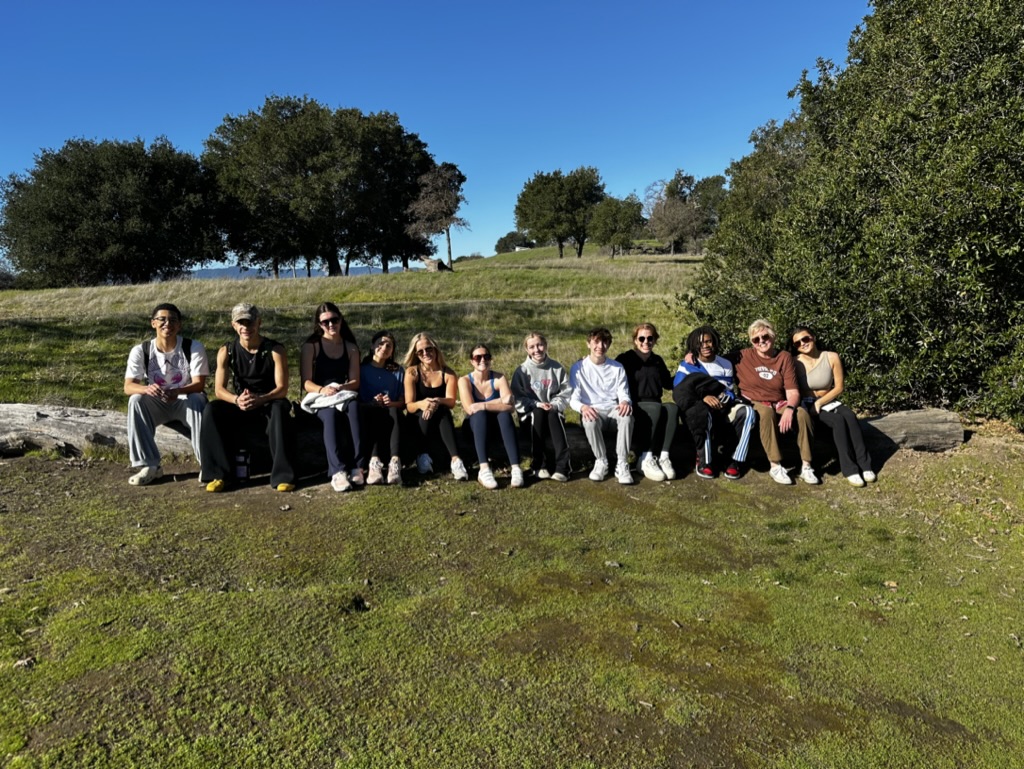
Earlier this month, members of Mount Vernon’s Innovation Diploma Leadership Team traveled west for a three-day, student-designed immersion in design thinking, storytelling, and experiential learning. The San Francisco trip, conceived, pitched, and largely executed by students, marked a milestone for the program and offered powerful inspiration for what innovation can look like when learners lead.
The iD Leadership Team, made up of juniors and seniors who apply annually, serves as a student advisory group for the Innovation Diploma program. These students co-design aspects of the program, mentor younger learners, organize events, and provide ongoing feedback that shapes the pathway. This year’s cohort of 13 students proposed an ambitious idea: a design-thinking “pilgrimage” to San Francisco, home to the Stanford d.school and a global hub for innovation.
After refining their proposal based on prior feedback and aligning it clearly with Mount Vernon’s strategic plan, The Impact Ready Project, the students earned approval just before winter break and got to work. Though the tight timeline meant formal tours were not always possible, the students pivoted, leaning into one of design thinking’s core principles: adaptability.
They created a self-led experience, assigning student “captains” to different sites.
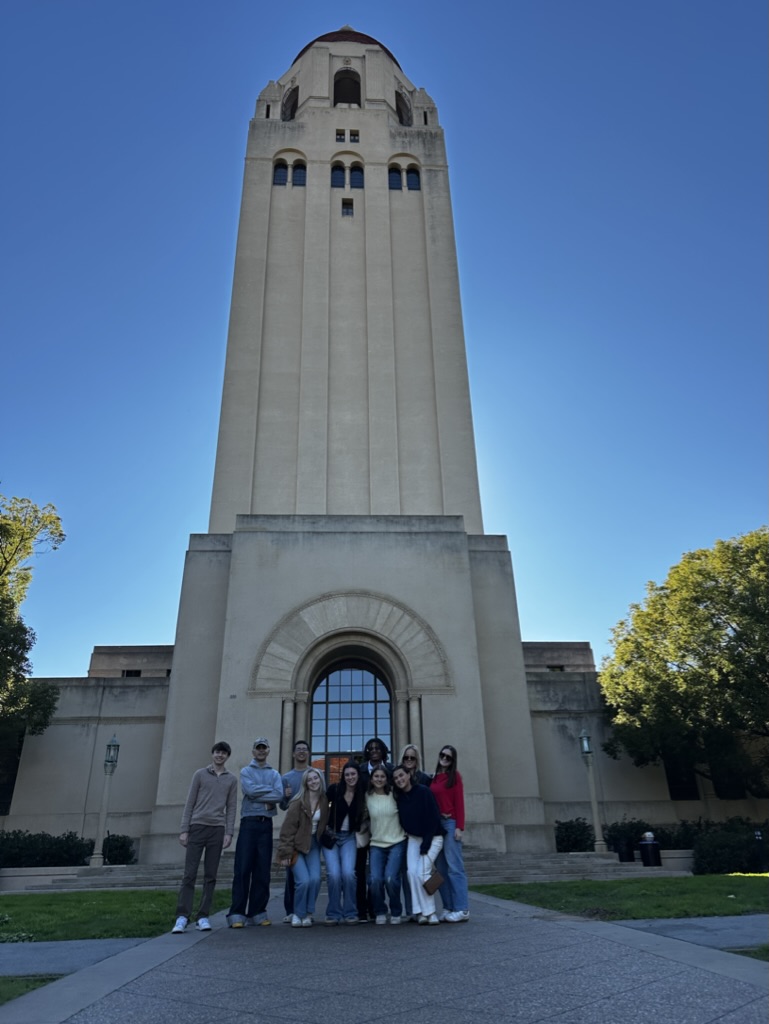
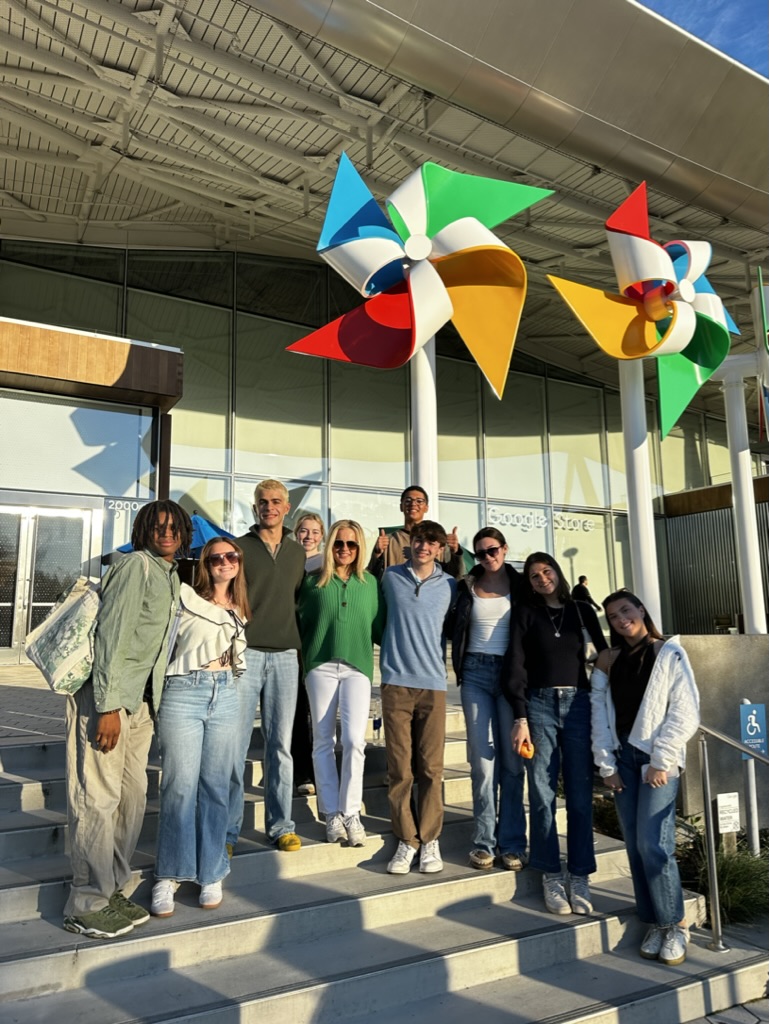
“When I was a junior in iD Leadership Team, the seniors were dead set on brainstorming an intentional and impactful trip to identify effective frameworks and systems used by the foremost design-thinking hubs. This year, the team decided that this trip needed to come to fruition, and a few of us spent our early-morning meetings dedicated to this initiative. When selecting a location, we landed on Northern California, specifically Palo Alto and San Francisco, as our points of interest, due to their proximity to leading technology companies and the source of iD’s design-thinking creed, the Stanford d.school. Throughout the ideation process, I helped identify and contact schools in Northern California that are pioneering the future of learning, such as Nueva School, and eventually played a role in crafting and pitching the trip. As Innovation Diploma students, we’re well-versed in presenting deliverables to a client, and bringing this idea to administrators was no different. Mrs. Bogdanchik, the Head of the Upper School, was the person we needed to get the go-ahead from, and impressing her meant getting funding for our trip. Thanks to the iD Leadership Team’s hard work at every early Wednesday-morning meeting, we secured approval from administrators and were ecstatic for the incredible opportunity,” says Haris Flynn.
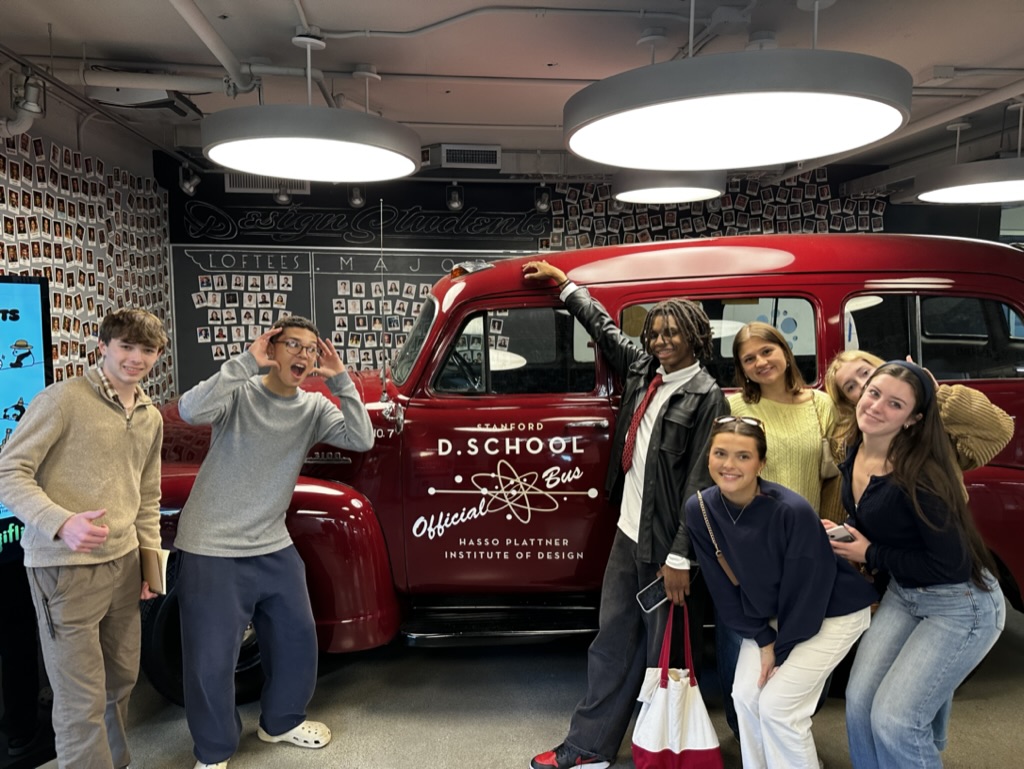
Jalen Hagans led the Stanford campus visit, guiding the group through spaces of historical and philosophical significance, including the d.school. Allie Parker served as the Google captain, helping design and lead the group’s exploration of the campus and its culture of innovation.
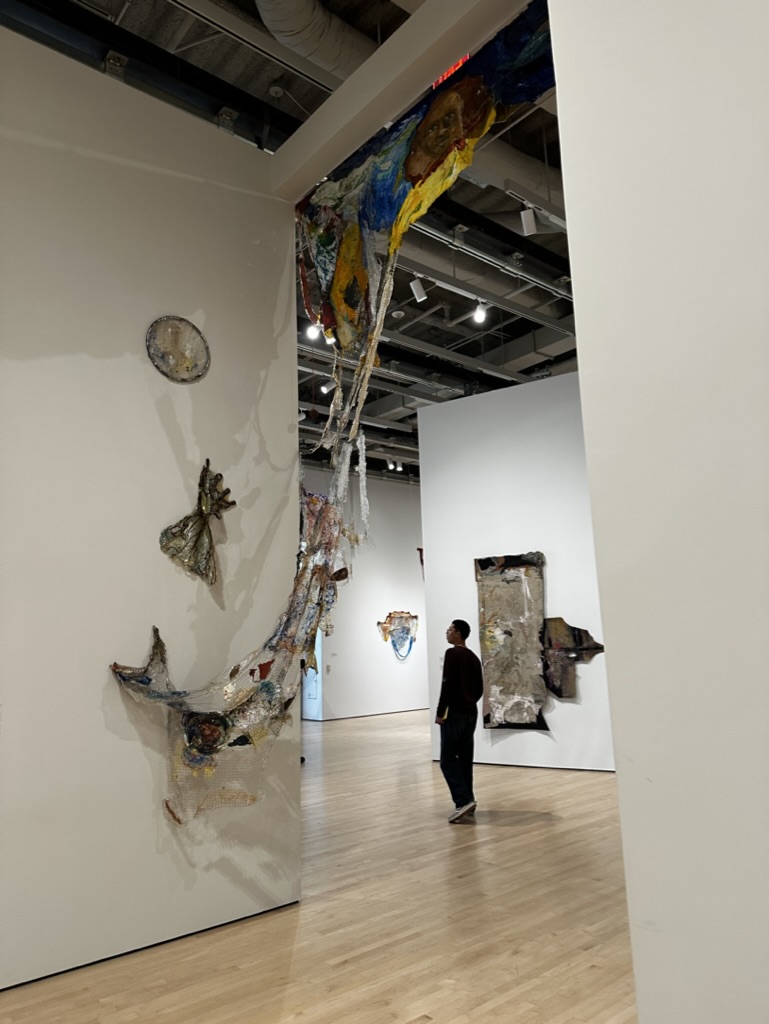
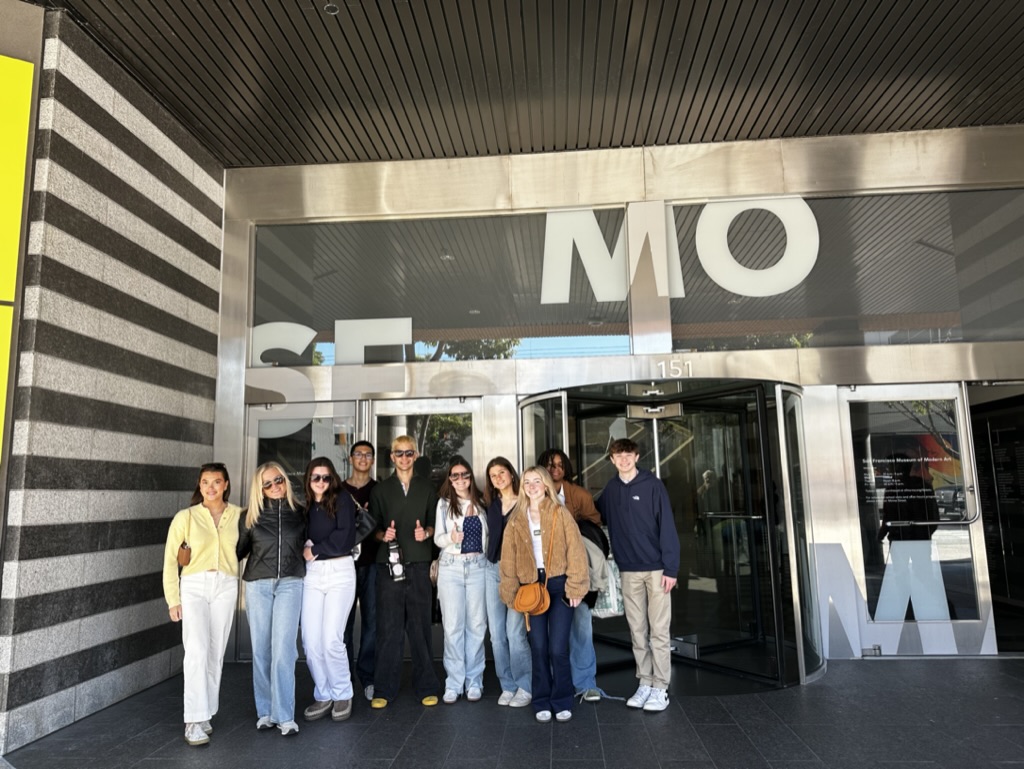
Other students played critical roles in shaping the itinerary. McKinley Tann was a key driver in identifying must-visit experiences, including the San Francisco Museum of Modern Art and the Exploratorium.
“While planning our trip we wanted to know how we could showcase iD, its legacy and its impact on our peers and collaborators” Said Mckinley Tann “and where we could look to showcase our work in unique ways to others.”
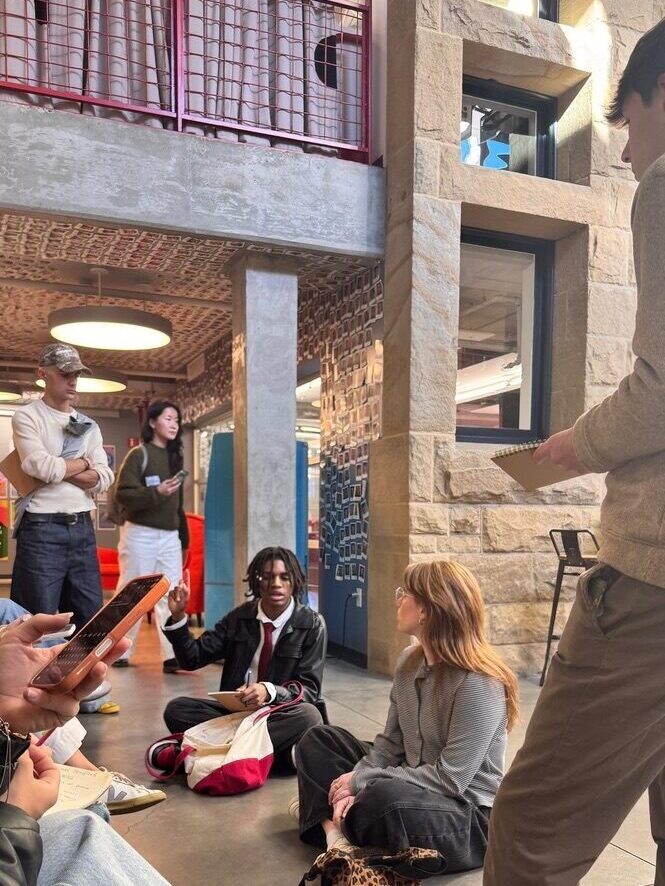
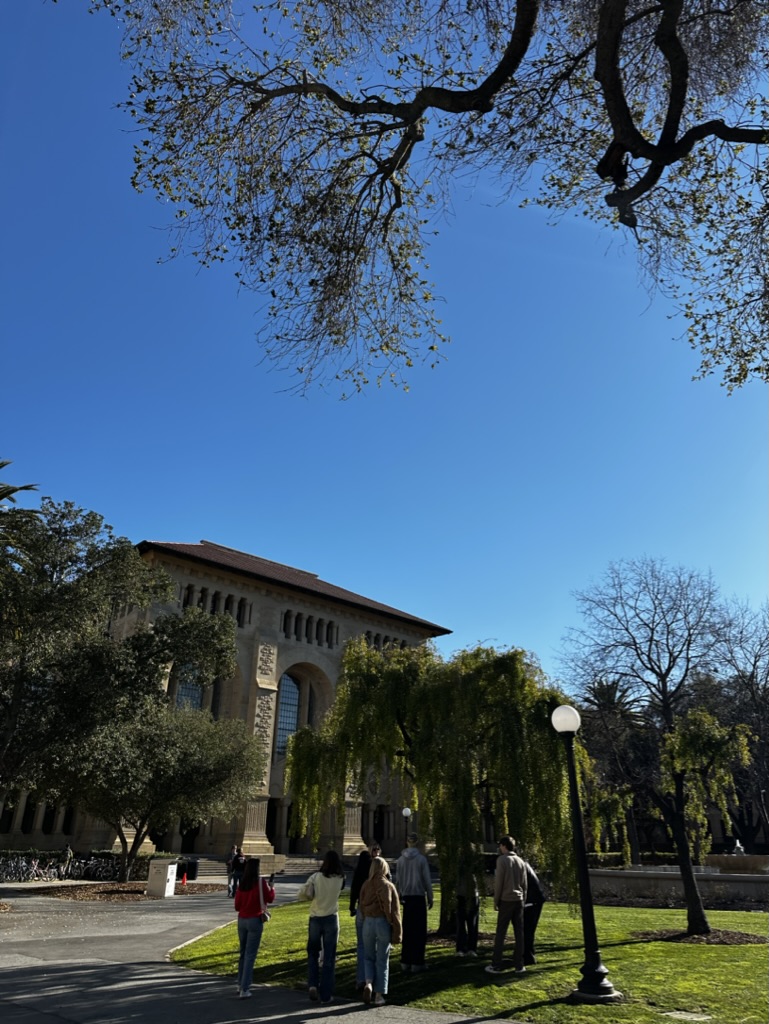
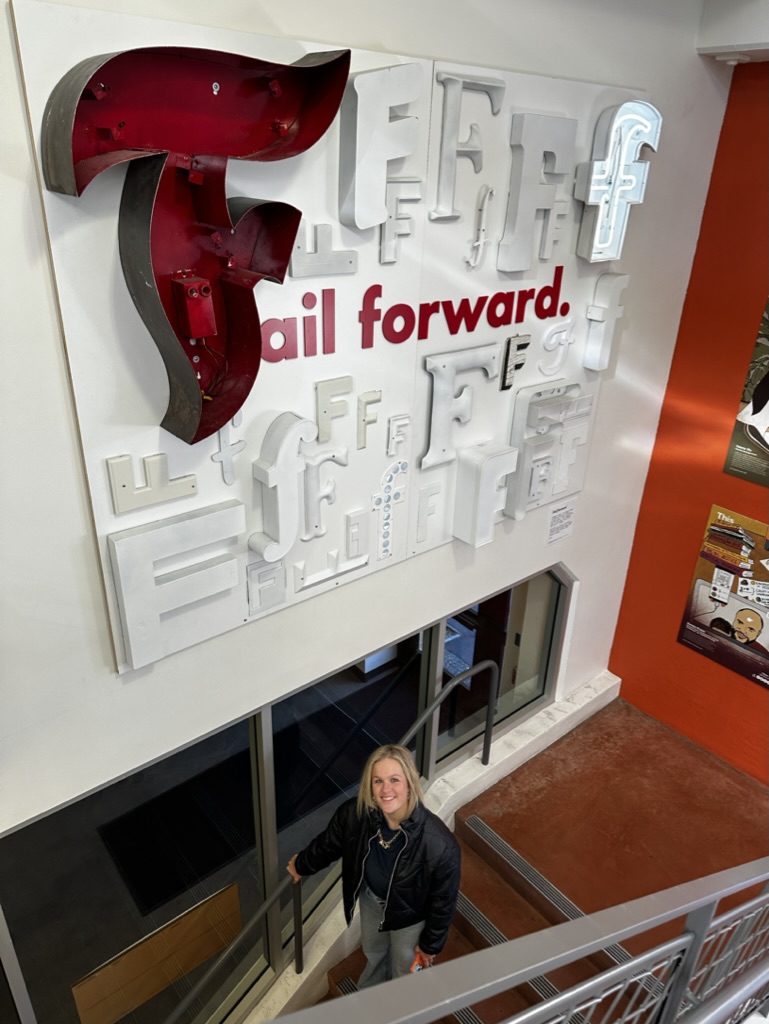
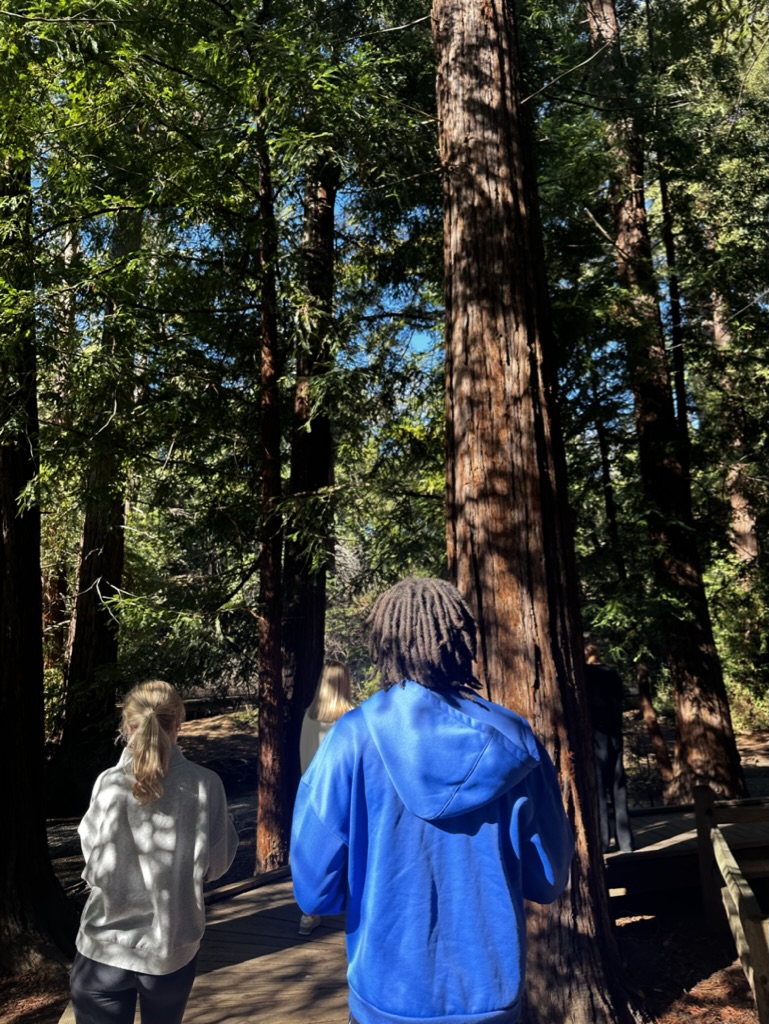
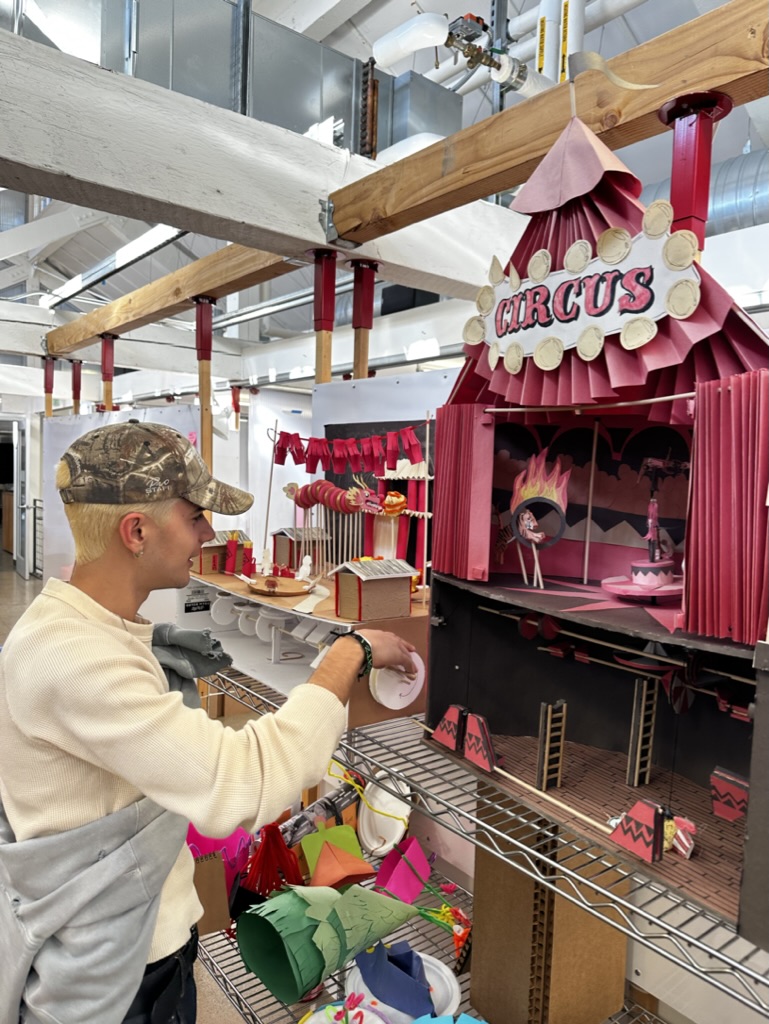
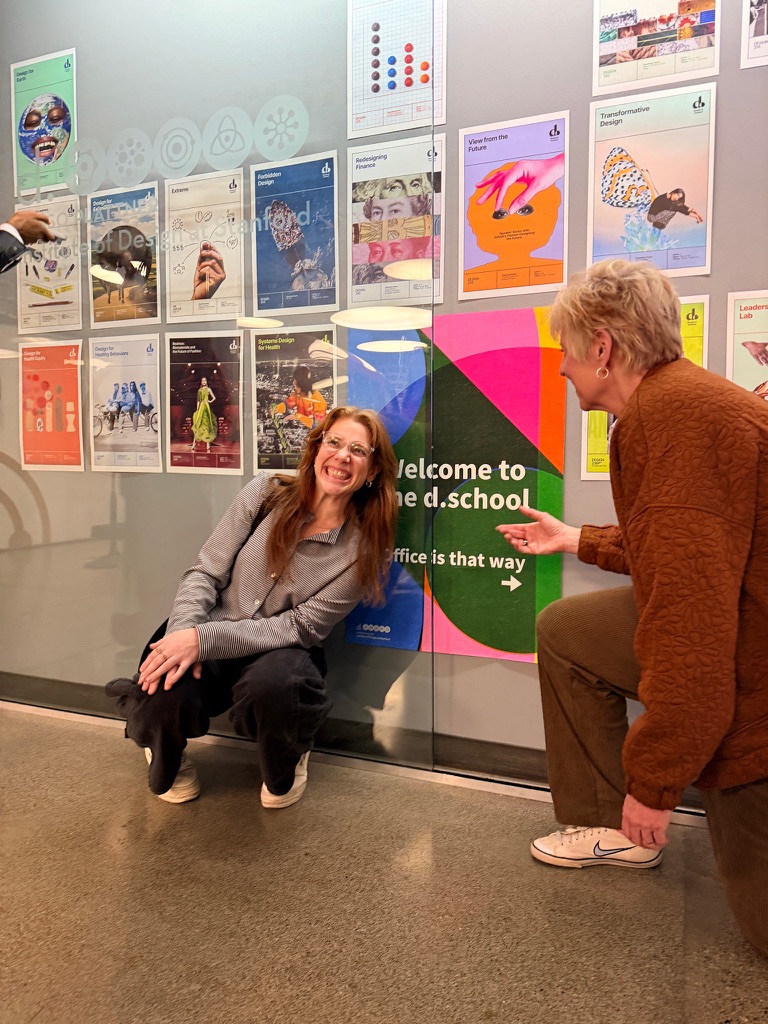
At each stop, students carried notebooks as they observed how physical spaces tell stories. At the d.School, they were struck by how the environment itself communicates values, with student work on display, artifacts preserved, and creativity visible everywhere. That insight became a recurring theme throughout the trip.
“Everywhere we went, students were asking, ‘How does this space tell a story?’” said Emily Wilcox, Innovation Pathway Lead. “And then immediately, they began asking what that could look like back at Mount Vernon.”
The experience sparked deep conversations about preserving student work, using space intentionally, and making learning visible, not just within Innovation Diploma, but across the entire school. Students began imagining how hallways, floors, and common areas could reflect inquiry, impact, and innovation in tangible ways.
Importantly, this was never intended to be a trip just for Innovation Diploma alone. From the start, students committed to bringing something back to the broader Mount Vernon community. In the coming weeks, the leadership team will synthesize their observations and present recommendations focused on storytelling, space, and culture, ideas rooted in real-world observation and aligned with Mount Vernon’s mission.
For a program now in its 12th year, the trip reinforced a core belief: being established does not mean being static.
“Design thinking is about prototyping, feedback, and rebuilding,” Wilcox said. “This trip is one example of how we continue to evolve, and how powerful it is when students are the ones driving that evolution.”
The journey to San Francisco may be over, but the impact is just beginning.
- Alumni
- Athletics
- Global Impact Diploma
- IDEA, Inclusion, Diversity, Equity
- Innovation Diploma
- Inquiry Path
- Interim
- Learn, Serve, Give
- Lower School News
- Maker, Art, and Design
- Middle School News
- MV Online
- MV Ventures
- MVXperts
- Prefects
- Preschool News
- Upper School News
Looking for more stories?
Our first-ever MV Summer Arts Camp was a celebration of creativity, expression, and imagination.
Campers explored theatre, dance, visual arts, maker, design, and music through movement, storytelling, rhythm, set design, stage makeup, scene work, props, costumes, character creation, and collaborative projects.
The week ended with a special performance featuring original artwork, choreography, and songs from Matilda, Peter Pan, Mary Poppins, and Hairspray.
From studio time to the stage, campers created, collaborated, performed, and brought their ideas to life in such meaningful ways.